Shoppers and readers are turning to local racks and free glossy magazines to rediscover queer history, as Washington’s new “Queering America 250” issue highlights 250 years of LGBTQ impact, here’s why it matters, where to pick it up, and how to use these resources to build knowledge and community.
Essential Takeaways
- Free and local: The Washington Blade’s “Queering America 250” magazine is free across D.C. venues and libraries, making queer history accessible to many.
- Daily icons: Equality Forum’s LGBT History Month project offers daily featured Icons with videos, bios and downloadable resources, over 620 entries and growing.
- Schools and libraries: Major library systems and education advocates now push for LGBTQ history inclusion, useful for lesson planning and community events.
- Practical use: You can use these archives to build displays, classroom modules, or personal reading lists; many items are searchable by race, field, and identity.
- Emotional payoff: Finding role models in these archives helps counter invisibility and gives community members tangible, relatable examples of queer contributions.
Why a glossy magazine still matters in the digital age
There’s a pleasing heft to a glossy you can tuck under your arm, and the Washington Blade’s “Queering America 250” uses that format to make queer history feel celebratory and public. Free distribution at bars, cafes and community centres means people who might not search a website will still encounter these stories.
The magazine functions like a physical billboard for history that’s often missing from school curricula. That visibility matters because, according to coverage in regional outlets, much of America’s queer past was pushed out of public view. A printed issue on counters and community boards says, loudly and simply: this happened here, and it’s part of our shared story.
If you run a community space or library, grab a few copies. They’re great for low-effort displays and conversation starters that invite people in without a heavy ask.
Where to pick up “Queering America 250” and why distribution matters
Copies are available in dozens of D.C. spots, from long-standing bars and clubs to health centres and bakeries, plus D.C. and Northern Virginia libraries. That mix of nightlife, wellness and civic locations means the magazine reaches different corners of queer life, not just academic readers.
Distribution through neighbourhood businesses and public institutions reduces barriers. People waiting for a haircut or grabbing coffee can discover an icon or an era, and that casual discovery often leads to deeper interest. For organisers, think local: ask shops and cafés to host a stack, and your material will meet people where they already are.
Equality Forum’s LGBT History Month: a daily deep-dive resource
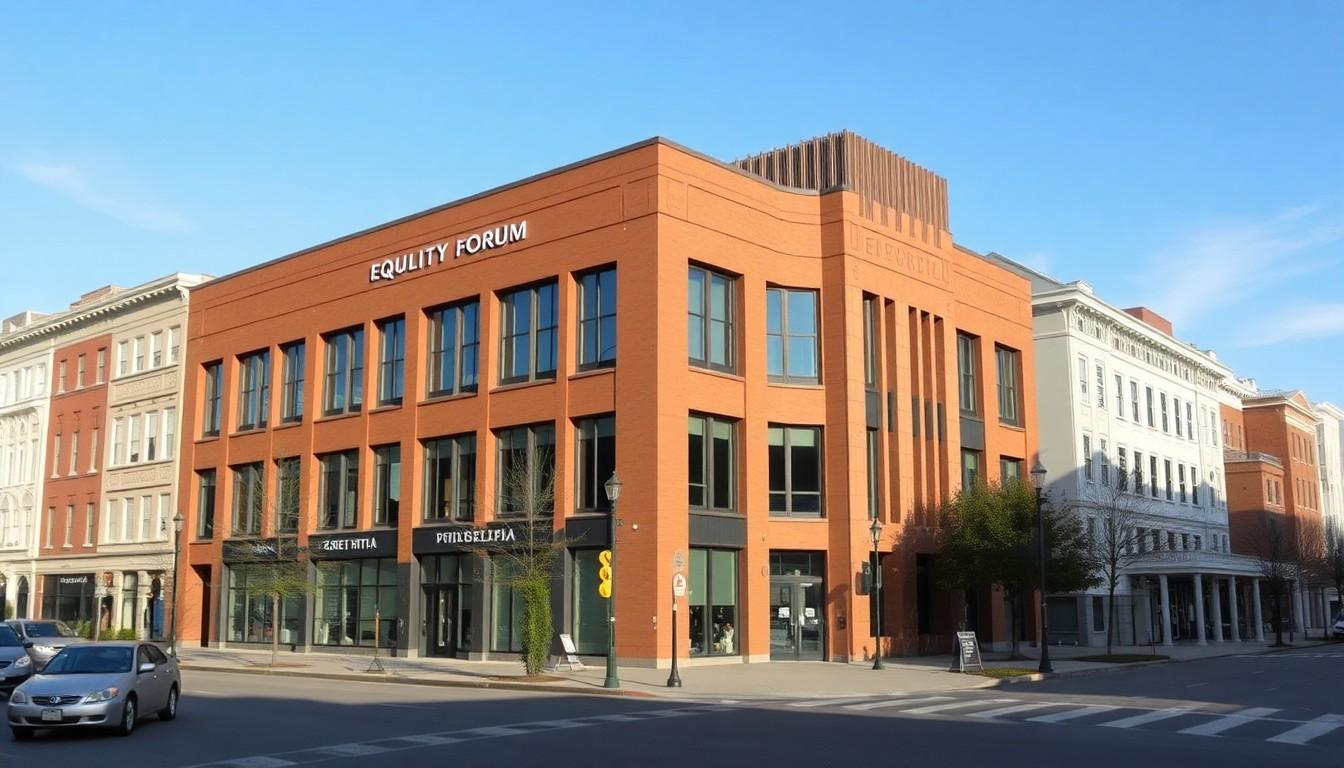
Equality Forum, the organisation behind National LGBT History Month, runs an expansive online archive with a featured Icon for each day of October. Each profile comes with a short video, biography, bibliography and downloadable images, handy for educators, presenters and curious readers.
After more than 20 years the archive holds over 620 entries, searchable by race, field and orientation, which makes it simple to build themed lessons or community events. According to Equality Forum materials, the daily approach keeps history rhythmic and shareable, perfect for social media or classroom calendars.
Tip: build a month-long program for your book group or youth club where each meeting discusses one Icon and an associated primary source.
How to use these resources in schools, libraries and community groups
There’s growing backing from education advocates and institutions for including LGBTQ history in curricula and programming. The American Library Association and school advocates provide guides for librarians and teachers on promoting LGBTQ History Month and integrating material responsibly.
Start small: a themed display, a lunchtime talk, or a short reading list. Use the Equality Forum’s downloadable images and the magazine’s profiles to create posters and handouts. For younger students, focus on universal themes, courage, creativity, service, while reserving more complex material for older teens.
Also, invite local elders and activists to speak; oral histories paired with archival profiles make the past feel immediate and human.
Why this fight for visibility is still necessary
The decision to publish a special issue and maintain a large online archive isn’t just about nostalgia. It’s a response to active pushback in some quarters that tries to erase queer lives from public teaching and memory. When history is hidden, communities lose role models and context for their struggles and achievements.
That’s why free, well-distributed projects matter: they counter erasure by putting names, faces and stories where people can see them. It’s a small, persistent way to shift public understanding, one magazine, one Icon, one school display at a time.
Closing line Pick up a copy, bookmark the archive, and share a story, it's a small act that helps keep queer history visible.
Source Reference Map
Story idea inspired by: [1]
Sources by paragraph: