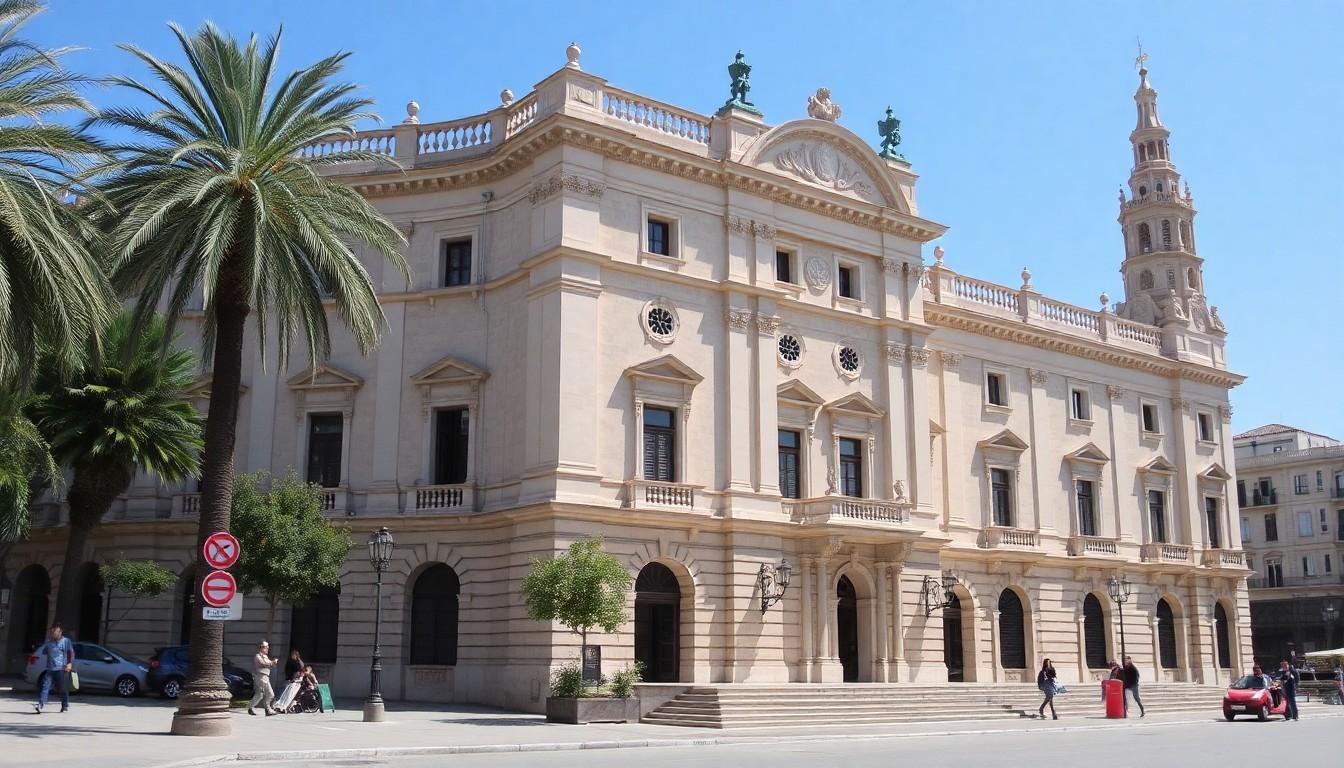
Shoppers, sports fans and the LGBTQ+ community are already turning their heads to Valencia this summer , the Spanish city will host the Gay Games from 27 June to 4 July 2026, bringing thousands of athletes and spectators for a week of inclusive sport, culture and celebration. Here's what to expect and why it matters.
- Big turnout: Over 9,000 athletes from roughly 75 countries are expected to compete in 39 sports, with around 40,000 spectators likely to attend.
- Easy access: Forty-six venues are spread across the city, all within a short bike, metro or bus ride of the Gay Games Village in Jardín del Túria , a leafy, central meeting point.
- Friendly vibe: Valencia is known for warm beaches, paella and a progressive attitude toward LGBTQ+ rights, backed by Spain’s robust anti-discrimination laws.
- Festive opening: Expect a colourful opening ceremony in a city that already stages large cultural spectacles and embraces outdoor celebrations.
- Local perks: Visitors can combine competition with architecture, food and the city’s contemporary-art-meets-Art Nouveau scene.
Valencia’s match with the Games: tolerant, sunny and sportif
Valencia carries a bright, sunlit personality , soft sea air, wide promenades and a casual café culture , and that friendliness extends to the queer community. Spain ranks highly for LGBTQ+ rights and Valencia has a thriving scene of welcoming bars, events and neighbourhoods. Organisers wanted a city that’s both accessible and culturally open, and Valencia ticks those boxes, offering a relaxed backdrop for athletes and fans alike.
The legacy story: from Tom Waddell’s vision to global inclusivity
The Gay Games began in 1982 as a response to exclusion and prejudice in elite sport, when former Olympic decathlete Tom Waddell wanted a competitive space where LGBTQ+ athletes could appear and compete without fear. Since that first San Francisco edition, the Games have travelled to tolerant cities such as Amsterdam, New York and Sydney, and now land in Valencia , a sign the movement remains both political and celebratory.
How the event spreads across the city , practical travel tips
Rather than being confined to a stadium, the competition will be citywide. With 46 venues all a short cycle or metro ride from Jardín del Túria, you won’t be stuck shuttling long distances. If you’re planning to attend, book accommodation near the Turia park or close to the metro lines to save time. Rent a bike for short hops , Valencia is flat and very cycle-friendly, and often the quickest way to enjoy the city between fixtures.
What athletes and spectators should know
Expect a broad range of sports, from team events to individual competitions, and categories that welcome varying abilities and identities. For athletes, register early and check the Gay Games’ classification and eligibility rules; for spectators, look out for mix-and-match ticketing and day passes to see multiple sports. Bring sun protection for outdoor venues and comfortable shoes for walking the city’s cobbled lanes and modern promenades.
Culture, food and ceremony: more than sport
Valencia isn’t just a backdrop , it’s part of the story. The opening ceremony will likely lean into local culture, combining music, performance and spectacle in a city used to staging major events. While you’re there, eat paella where it was born, wander the City of Arts and Sciences, and linger on the beach. The Games bring a festive atmosphere to bars, cafes and galleries, turning competition week into a citywide celebration.
It's a small change that can make every competition feel like a celebration , and Valencia looks ready to deliver both sport and spirit.
Source Reference Map
Story idea inspired by: [1]
Sources by paragraph: