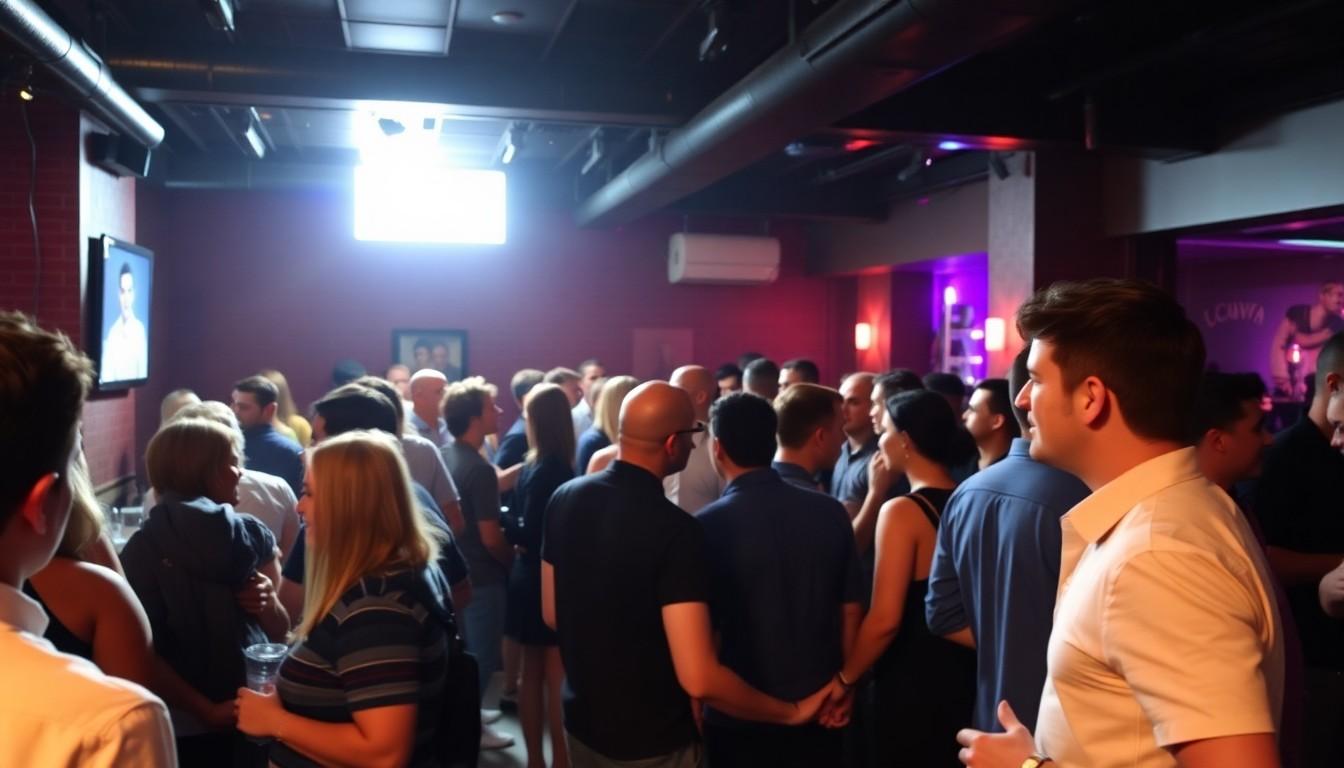
Shoppers and night-owls alike are flocking to a lively new wave of queer-run events across the DMV, where party producers, DJs, and organisers are building community beyond Pride , from intimate mixers to bookstore drag nights, and family-friendly festivals that matter.
Essential Takeaways
- Vibrant variety: Weekly and monthly queer events now span bars, cafes, bookstores, parks, and rinks , there’s something loud, low-key, arty, or outdoorsy.
- Community-first organisers: Groups like Pretty Boi Drag, Mixtape Sapphics, Taste Takeover and She Shed centre BIPOC and sapphic networks, creating safer, welcoming spaces.
- Tickets fund sustainability: Entry fees and donations help pay performers, venues, and organisers so events can continue; many offer sliding scales or free options.
- Cross-pollination: Producers collaborate across venues and cities, bringing workshops, panels, and pop-ups to new audiences , expect learning as well as dancing.
- Accessible vibes: From picnic meet-ups to sip-and-paint nights, producers balance booty and brains so people can socialise, create, and connect.
A renaissance of queer spaces , and why it matters now
There’s a different feel to the DMV’s queer scene these days: less of the one-size-fits-all club, more of a quilt of meetups, themed parties, and community projects, and it smells faintly of fresh coffee and sunscreen. The closure of older venues left gaps that a new generation of organisers has been busy filling, so instead of a few big nights you’ve got a menu of choices every weekend. That shift matters because it widens access , people who don’t want the bar scene can find daytime, cultural, or family-friendly events, while club-goers still get high-energy nights. If you’re trying to decide where to go, think about vibe first , are you after conversation and craft or a loud, sweaty dancefloor?
How organisers make events viable , tickets, venues and the labour behind the scenes
Running events isn’t just glitter and playlists; there’s a lot of logistics and cost behind it, and ticket sales keep shows on-stage. Producers charge modest entry sometimes with tiers or free community options because performers and venue costs add up. Natasha Sebastiani’s Taste Takeover, now a nonprofit, shows how organisers are treating events like sustained projects , using revenues to hire talent, pay staff, and fund festivals such as Mamacita. So when a door fee looks small, remember it often goes straight back into paying artists and keeping spaces alive.
Niche to mainstream , how specificity builds belonging
Producers are leaning into identity and interest-based programming rather than trying to please everyone, and that’s the point. Pretty Boi Drag started specifically to uplift drag kings of colour and now runs workshops, open mics, and themed shows in bookstores and clubs alike, giving people both performance space and training. Mixtape Sapphics built events for older queer women who wanted deeper connection, with “first half quiet, second half dance” formats and curated field trips. These niche offers help people find their tribe quickly, while many events remain explicitly open and welcoming to all.
From parties to programming , events that teach, heal and link up
Expect more than a DJ and a bar: producers are layering enrichment onto nightlife. Alphabet Soup mixes dance parties with journalling workshops and shibari classes; Backbone Comedy folds political organising and fundraisers into their line-ups; and Thirst and Paint turns a bar into a live drawing session that pays models for their work. This blend gives folks ways to learn, practice skills, and deepen connections , useful if you’re tired of superficial mingling and want to leave with new friends or a fresh skill.
Spreading out , regional reach, collaborations and accessibility
Many organisers are expanding beyond D.C., creating circuits that make queer events available across the Beltway and beyond. She Shed has spun off parties in New York, Atlanta and Charlotte; Taste Takeover has started programming in Northern Virginia to meet audiences who can’t or won’t travel into the city. Producers are also partnering with queer-owned venues and community centres, so events feel rooted and safer. If transport or immigration concerns limit attendance, look for local pop-ups or free daytime options , organisers often plan affordable ways for people to engage.
It's a small change that can make every night feel like Pride.
Source Reference Map
Story idea inspired by: [1]
Sources by paragraph: