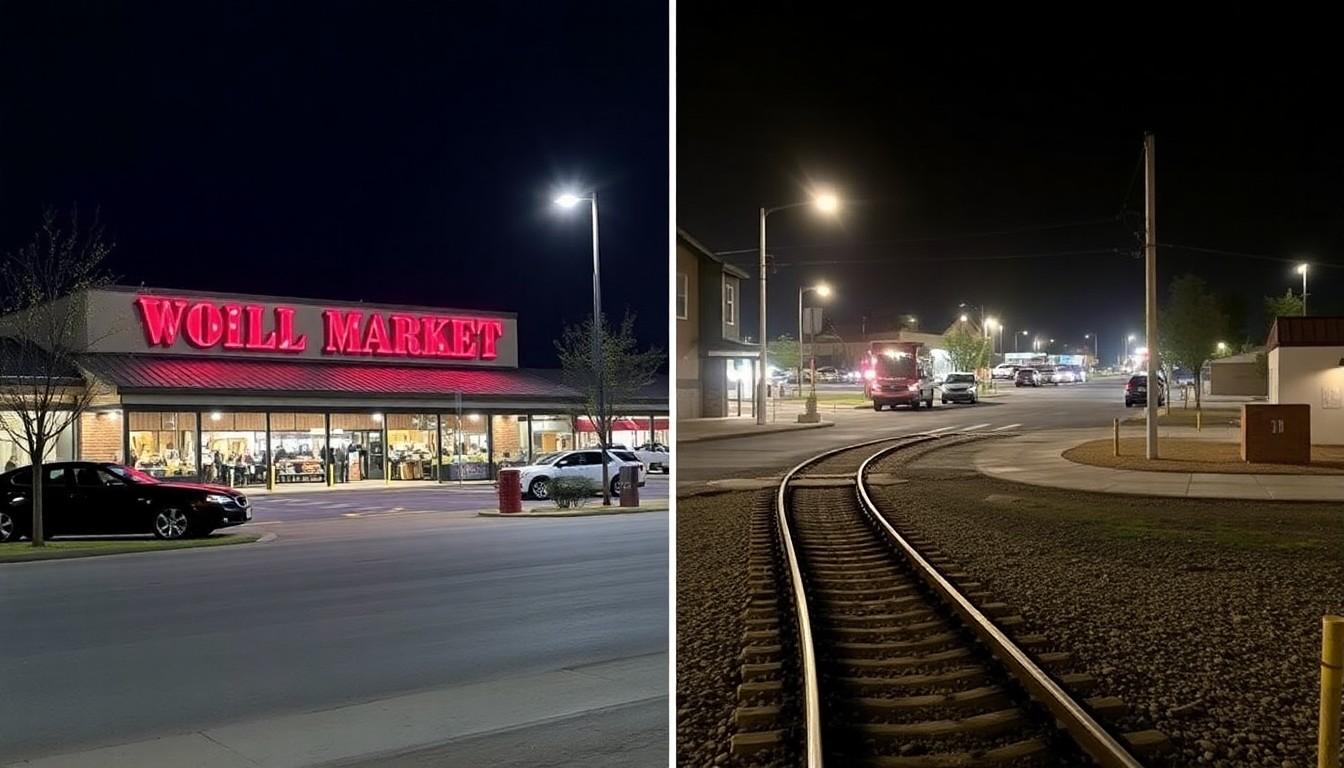
Shoppers expect string lights and street food, but a Caldwell, Idaho, night market turned into a nightmare for a visiting gay couple , and their story raises urgent questions about local laws, community safety and how towns respond when violence is driven by bias.
Essential Takeaways
- What happened: A gay couple say they were taunted, followed and violently assaulted after leaving a restaurant during a night market; one man needed six stitches to a split lip and the other suffered a black eye and bruises.
- Charge filed: Police arrested one suspect and charged him with misdemeanor battery, not a hate crime, because Idaho’s statutes don’t list sexual orientation as a protected category.
- Emotional toll: The victims report lasting fear and reluctance to leave home, saying they genuinely felt they might be killed during the attack.
- Community context: The incident unfolded near a busy Latino night market, underscoring how public, multicultural events can become flashpoints when prejudice is involved.
- Practical note: Victims and advocates say survivors often face gaps between the harm they’ve suffered and the legal options available to them.
A pleasant evening that turned violent , the scene and the shock
What should have been a casual dinner amid market stalls and fairy lights turned terrifying, according to the couple involved. They say a group started shouting homophobic slurs; when they left to avoid trouble the group followed them through a back entrance, across a car park and onto nearby railway tracks, where the confrontation became physical. The scene is vivid and ugly: a public event, a pursuit and then blows that left one man stitched and both bruised and shaken. Reports from local outlets relay the couple’s fear plainly; they say they literally thought they were going to die. For residents and visitors, that image of fear is searing , it’s what turns a story from an incident into community anxiety.
Why the charge feels out of step with the harm
Police did detain a suspect and charged him with misdemeanor battery, but that legal label doesn’t capture the couple’s account of targeted abuse. Idaho’s hate crime laws, according to the state and local officers quoted in reporting, do not protect sexual orientation, which means prosecutors couldn’t pursue an enhanced hate-crime charge even if motive seemed obvious. A local lieutenant described the situation as frustrating: officers can investigate, but the statutory framework limits how the case can be pursued. That legal gap matters practically , it affects sentencing, public perception and whether survivors feel justice has been done.
Small-town dynamics and the unexpected victims
The couple say they’ve been together 15 years and described themselves as conservative, a detail that complicates easy assumptions about who faces anti-LGBTQ+ violence. Incidents like this remind us prejudice can occur anywhere, crossing political or cultural lines. The assault happened during a Latino night market, a community event that normally celebrates diversity and small-business spirit. When violence happens at a shared public gathering it rattles more than the individuals directly harmed; it raises questions about safety at festivals, policing at community events and how bystanders react.
What the law change conversation looks like now
After attacks like this, advocates often renew calls to expand hate-crime protections to include sexual orientation and gender identity. That’s not unique to Idaho , similar debates are playing out in multiple states. Expanding protected categories would allow prosecutors to pursue enhanced penalties when bias is a clear motive, which some survivors say matters for symbolic and practical reasons. Meanwhile, police officers express frustration at being constrained by the statute; communities face the harder work of balancing local safety efforts with statewide legal limits.
How people and communities can respond practically
If you’re attending crowded events, simple precautions can help: stay with friends, share your location, park in well-lit areas and be ready to leave a scene quickly. But responsibility also falls on event organisers and local leaders , visible security, clear reporting channels and a community stance against hate make a difference. For survivors, document injuries, collect witness details and insist on copies of police reports , those records matter later, whether for civil suits, internal reviews or advocacy for legal change. And for neighbours, speaking up, offering support and pushing for honest local conversations about inclusion helps a town recover confidence.
It's a small change to law or community practice that can make walking home feel safe again.
Source Reference Map
Story idea inspired by: [1]
Sources by paragraph: