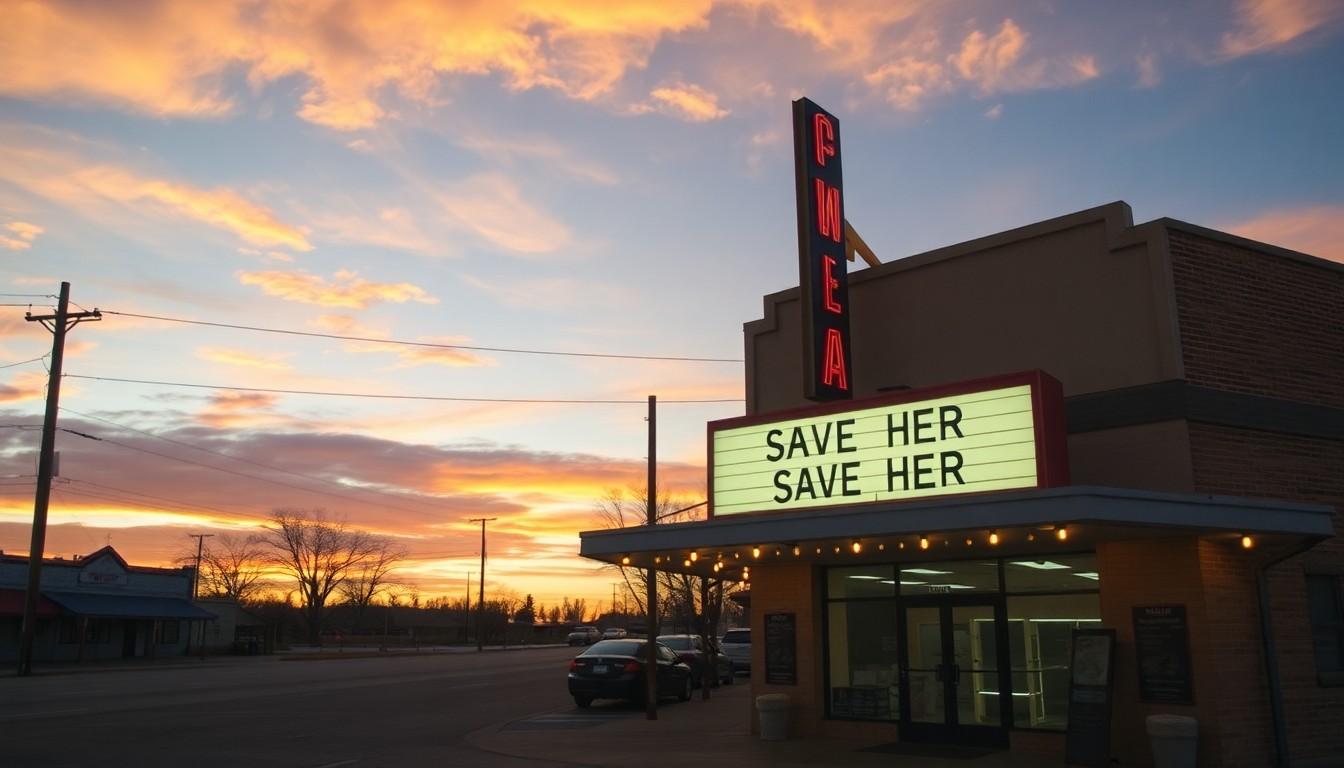
Shoppers and audiences are flocking to a new kind of protest: Pattie Gonia’s Save Her tour mixes drag, climate science and community organising to turn stages into rallying points , a joyful but pointed push for environmental protection, queer visibility and tangible fundraising in more than 20 cities.
Essential Takeaways
- Big reach: Pattie Gonia has built a multi‑million follower platform and raised significant funds for environmental and social‑justice nonprofits.
- Bold format: The Save Her tour blends drag performance with climate messaging , humour, grief and urgency sit side by side.
- Legal drama: A high‑profile trademark dispute with Patagonia has split fans and highlighted tensions between corporate brands and grassroots activists.
- Tangible action: Beyond shows, the creator co‑founded Outdoorist Oath and supports jobs and access for queer people in the outdoors.
- Emotional mix: Audiences report both joy and catharsis , the performances feel like a party and a protest at once.
How drag and climate activism found centre stage
Pattie Gonia opens shows with equal parts spectacle and science, and you can feel the crowd shift from laughter to seriousness in a heartbeat. According to Pattie’s own material and recent coverage, the performances use bold visuals and clips , even Bill Nye , to frame climate threats in plain language. This fusion grew out of a desire to make environmentalism less remote and more queer‑friendly; it’s activism that meets people where they already gather. For anyone curious about attending, expect upbeat camp, political satire and moments that land with real emotional weight.
Why the Save Her tour feels like a rally, not just a show
Attendees and co‑performers describe the tour as a space for resistance as much as for entertainment. Performers strip down political figures and symbols with parody, and intersperse humour with hard facts about warming, pollution and policy failures. That mix matters because it makes climate urgency digestible without draining hope. If you want to support an event that mobilises, look for shows partnered with local groups or fundraisers; they’re often explicit about where ticket money goes and how you can stay involved after the curtain falls.
The Patagonia lawsuit: what’s at stake for brands and activists
The trademark spat with Patagonia has become a flashpoint. Coverage shows that Patagonia sued to protect its brand identity after Pattie Gonia applied for trademark rights to the stage name. Fans and commentators split: some see the suit as corporate overreach, others argue trademarks are about preventing confusion. This dispute underlines a broader tension: when activism crosses into commerce, who controls the symbols and language of a movement? For activists thinking about merchandise or formal partnerships, it’s a reminder to get legal clarity early and to consider how brand alliances can cut both ways.
Beyond the stage: fundraising, equity and outdoor access
Pattie Gonia’s work extends past performances into pragmatic projects , funding nonprofits, launching a job board for queer people in environmental careers and co‑founding an organisation focused on outdoor equity. These initiatives show how a cultural platform can be channelled into structural change. If you care about matching spectacle with impact, check how proceeds are allocated and whether campaigns support grassroots groups. Small choices , buying a ticket, donating at an event, volunteering locally , can amplify that bridge between culture and policy.
What audiences actually feel , joy, rage and community
People who go say the experience is a cocktail of joy and righteous anger. In show reviews, fans speak of smiling until their cheeks hurt, then wiping tears during more tender moments. That emotional range makes the message stick: entertainment loosens defences, and earnest moments land harder. For anyone tempted to write off political drag as preachy, these performances show another way: make it dazzling, then give people something practical to do. It’s both a balm and a call to arms.
It's a small change that can make every performance a platform for protection and inclusion.
Source Reference Map
Story idea inspired by: [1]
Sources by paragraph: