Shoppers are shifting loyalty as LGBTQ consumers vote with their pounds , buying less from perceived DEI retreaters and favouring companies they trust to stand by inclusion. Here’s who’s losing, who’s winning, and how to shop in ways that match your values.
Essential Takeaways
- Real change in wallets: Nearly 72% of LGBTQ respondents said they bought fewer products from companies they believe scaled back diversity and inclusion efforts.
- Avoidance is common: About 70% reported intentionally avoiding certain brands at least some of the time.
- Winners and losers: Brands cited as losing spend include Target, Walmart and Amazon; those gaining include Costco, Apple and Ben & Jerry’s.
- Big economic clout: LGBTQ consumers represent roughly $1.7 trillion in annual purchasing power in the US.
- Trust matters: Consistent public commitment to inclusion drives loyalty; sudden retreats erode consumer confidence.
Why this spending shift feels like a cultural referendum
There’s a tactile element to this trend , shoppers describe it as a quiet, steady reallocation of everyday spending rather than dramatic boycotts. According to reports and the Human Rights Campaign Foundation’s Pride in the Marketplace 2026 findings, many LGBTQ consumers are trimming purchases from brands they view as retreating on diversity, equity and inclusion. That selection process looks a lot like civic engagement: your basket becomes a tiny ballot. For brands, the message is blunt , inconsistency costs revenue and reputation.
Which companies are seeing the most fallout , and why it matters
Retail giants named most often as losing spend include Target, Walmart and Amazon, with Chick-fil-A and Home Depot also mentioned. The reasons aren’t always simple: sometimes it’s a visible policy change, other times it’s perception, media coverage or local controversies. Industry watchers note that when shoppers feel a company “backtracks,” the reaction is swift because trust is hard-won and easily lost. If you want to predict where spend flows next, watch public statements, policy transparency and how companies respond to shareholder or public pressure.
Brands that are gaining loyalty , what they’re doing differently
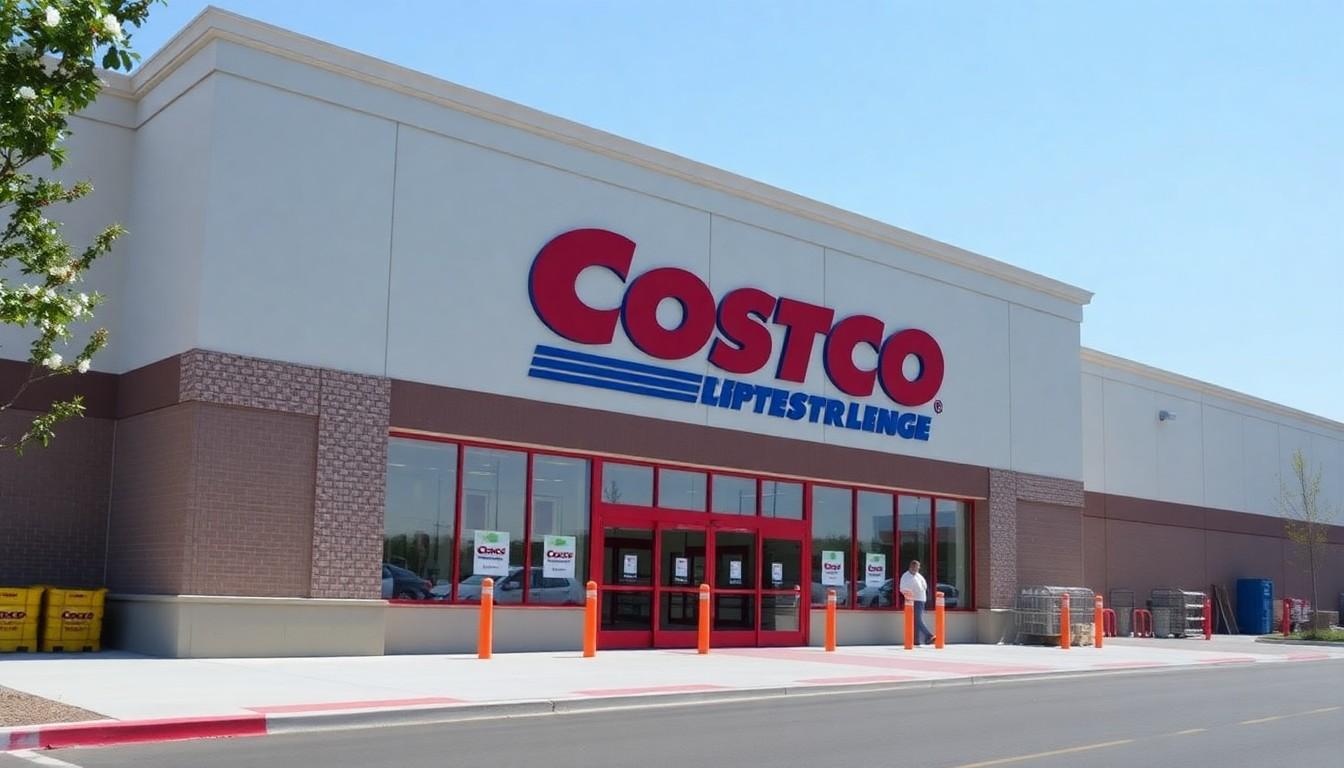
On the flip side, companies like Costco, Apple, Ben & Jerry’s, Delta Air Lines and Kroger were cited as beneficiaries of increased LGBTQ spending. What sets them apart is perceived consistency: sustained public support, clear policies, or visible actions that align with inclusion claims. Costco, for instance, publicly defended its diversity initiatives and saw shareholders reject measures to curb DEI , a stance that sends a strong signal to values-driven shoppers. In plain terms, if you want to attract loyal customers, don’t make them second-guess your commitments.
How to make your shopping choices actually count
If you want your spending to reflect your values, start small and practical. Check a company’s public policies and recent news rather than relying only on ads. Look for long-term engagement: employee benefits, supplier diversity, and participation in recognised benchmarks are more meaningful than one-off Pride collections. Size matters too , pick the right product scale for your needs so you don’t overconsume to make a point. And remember, diversified spending spreads your influence: supporting a mix of big brands and small, community-focused businesses amplifies impact.
What this means for the marketplace and what’s next
This trend isn’t just a short-lived media cycle , it reflects a broader shift where consumers treat brand behaviour as part of civic life. The Human Rights Campaign’s data also shows Corporate Equality Index participation dropped steeply in 2026 among Fortune 500 firms, signalling that the debate over DEI is reshaping corporate engagement. Expect companies to become savvier about communicating consistent policies, and expect shoppers to keep holding them to account. Ultimately, brands that treat inclusion as performance will lose out to those who treat it as practice.
It's a small change that can make every purchase more purposeful.
Source Reference Map
Story idea inspired by: [1]
Sources by paragraph: