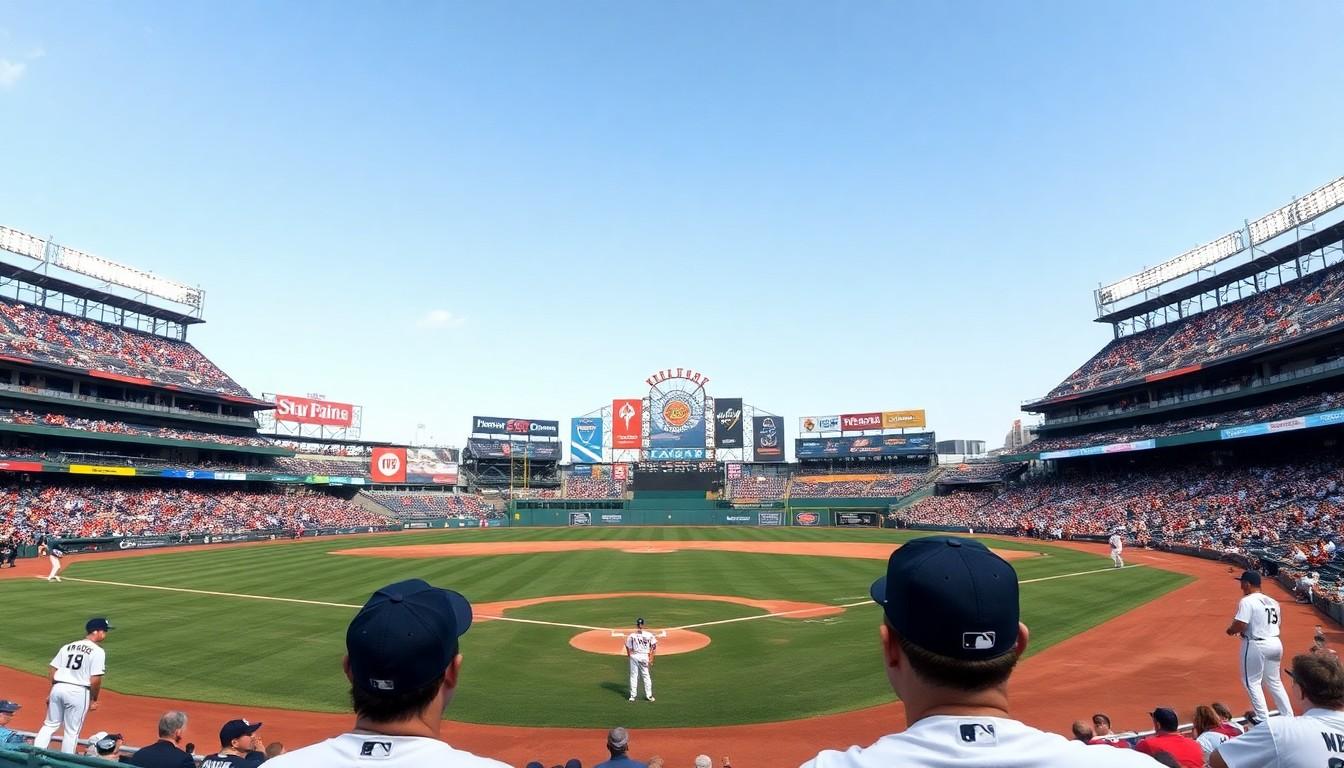
Shoppers are turning to headlines about sport and society: Major League Baseball warned pitchers who added Bible verses to Pride-themed caps during San Francisco’s Pride Night, sparking Republican criticism and fresh debate about team promotions, player expression, and league rules. Here’s what happened, why it matters, and what fans should know.
Essential Takeaways
- What occurred: Several San Francisco Giants pitchers wrote Bible references on rainbow-themed caps or declined to wear them during Pride Night.
- League rule: MLB says writing on caps violates uniform policy and issued routine warnings, not statements about message content.
- Political fallout: Conservative figures including Senator Josh Hawley and Vice President JD Vance criticised MLB’s handling and raised free‑speech concerns.
- Context: MLB is one of the few leagues that runs regular‑season games in June, so Pride promotions are widespread and sometimes prompt pushback.
- Practical note: Teams and fans should expect uniform policies to be enforced evenly, but controversies may persist around themed nights and personal expression.
What actually happened on Pride Night , a simple scene with a big reaction
A handful of Giants pitchers used silver marker to add Bible citations to the front of rainbow‑filled SF caps, and one reliever simply wore the standard black cap instead. The scene was quiet and visual , a small, hand‑scrawled line on a hat , but it quickly escalated into a public conversation. According to reports in the Associated Press and local outlets, the players said the markings reflected personal faith rather than an attack on anyone, and one explained the Genesis verse as a reference to God’s covenant.
MLB’s response: rules over rhetoric
The league moved to remind players that modifying uniforms is against policy, framing its response as a uniform‑integrity issue rather than commentary on the messages themselves. MLB noted it has issued similar warnings in the past for players writing family names or short notes on caps. That explanation aims to keep discipline neutral on content, though critics argue uniformity and expression inevitably collide when themed nights are political or cultural.
Why politicians noticed , and why that widened the debate
Conservative voices seized the moment to question whether faith‑based objections are being singled out. Senator Josh Hawley sent a letter to Commissioner Rob Manfred raising concerns and requesting records of uniform fines, while JD Vance amplified the story on social media. When politicians step in, a clubhouse decision suddenly becomes national news, turning what might have been an in‑team discussion into a debate about culture and the public role of sports leagues.
This isn’t new , Pride nights have provoked reactions across sports
MLB isn’t the only league to see pushback. The NHL and NBA have had episodes where players declined to wear Pride gear or teams rethought Pride events. MLB’s scheduling in June makes Pride Nights more visible during its regular season, and nearly every team runs some kind of Pride promotion. That pattern suggests these clashes are likely to return as leagues try to balance inclusive marketing with a diverse roster of personal beliefs.
What fans and teams can do , simple, practical steps
If you care about the issue as a fan, look at team communications and fan policies before attending themed nights so you know what’s on offer. Teams can reduce friction by clearly explaining uniform rules to players in advance, and by offering voluntary, alternative ways to support causes so nobody feels forced. For players, understanding the difference between expressing personal belief and altering mandated gear is a small but important distinction.
It's a small change that can make every Pride Night clearer and less contentious.
Source Reference Map
Story idea inspired by: [1]
Sources by paragraph: