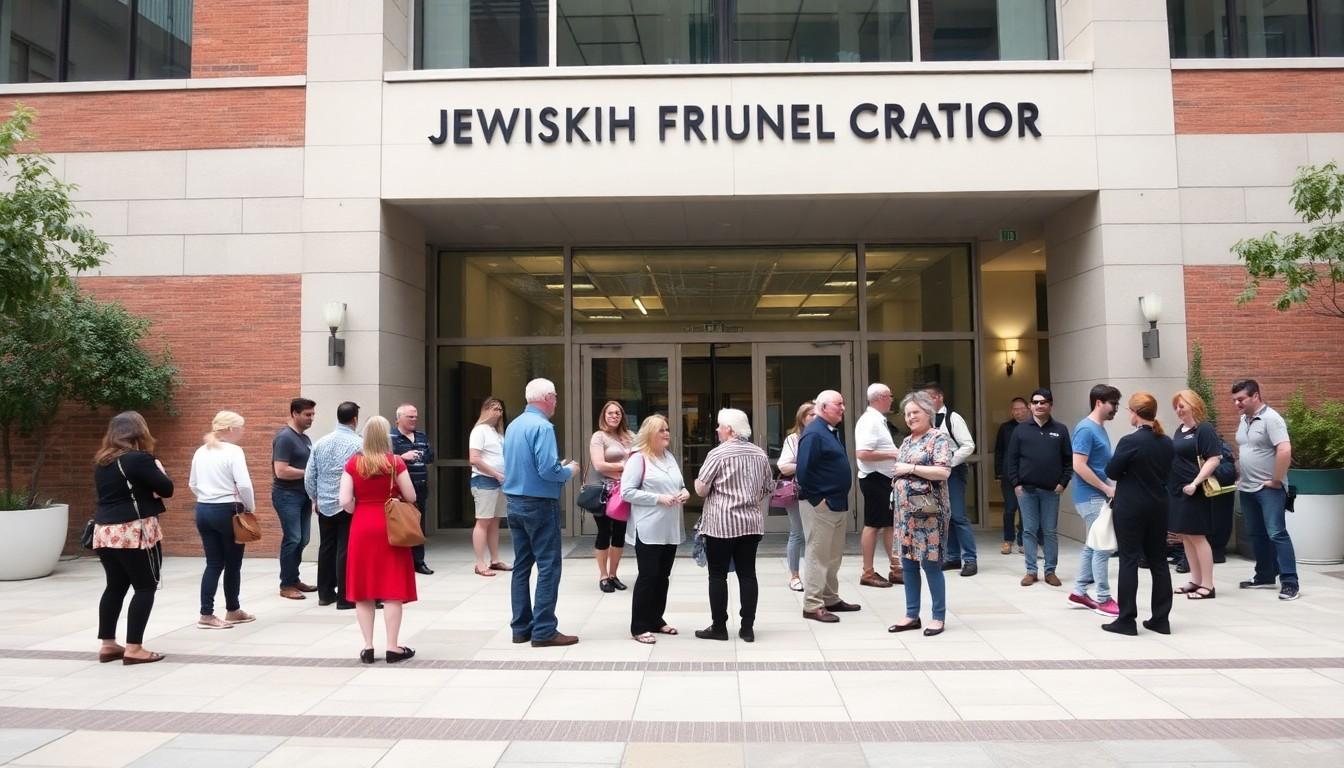
Shoppers of community life are shifting, from token Pride moments to steady, meaningful connection. A new JFNA study finds LGBTQ+ Jews want more than occasional events; they’re craving ongoing belonging, safer spaces, and everyday programmes that keep them coming back. Here’s what organisations can do differently.
Essential Takeaways
- Year-round engagement matters: Pride events draw newcomers, but regular small-group activities build lasting ties.
- Safety and belonging are priorities: Clear policies, trained staff, and visible inclusion make people feel secure.
- Programmes beyond celebration: Social clubs, learning circles and leadership tracks keep interest high and expand participation.
- Practical steps work: Size-appropriate groups, consistent outreach and paid roles for LGBTQ+ staff show commitment.
Why one-off Pride programming isn’t enough
The strongest early finding is simple and sensory: Pride Shabbat lights the room, but it doesn’t keep people there. According to the JFNA research, many LGBTQ+ Jews show up for celebratory moments yet want deeper connection , quieter, smaller settings where they can be known. That’s an emotional cue for federations: spectacle opens doors, intimacy keeps them open. Organisations that rely only on visible celebrations risk being perceived as performative rather than substantive.
What belonging looks like in practice
Belonging is less about a single event and more about a steady rhythm of interaction. JFNA leaders say small-group gatherings , regular social meet-ups, learning circles and mentorship pods , create the interpersonal glue people crave. Practically speaking, federations can schedule monthly groups, recruit trained facilitators and offer hybrid options so those who feel anxious in big rooms can join from home. It’s the difference between a party and a community you can return to.
Safety, training and policy: the basics that signal seriousness
Safety is tactile: friendly signage, staff who use inclusive language, and clear harassment policies all register with potential participants. The study highlights that having trained staff and transparent procedures matters as much as programmes themselves. Federations should invest in basic training for front-line workers, publicise codes of conduct, and ensure event spaces are physically accessible. These steps aren’t flashy but they’re persuasive , they say you mean what you claim.
Programming that moves people from attendance to ownership
To turn visitors into members, offer pathways to deeper involvement. Leadership development, volunteer roles, and advisory councils give LGBTQ+ participants agency and visibility. For instance, a federation might run a short leadership course aimed at queer Jews, or create paid fellowships that compensate people for the labour of community-building. Those moves demonstrate commitment and distribute responsibility beyond a single staffer or an annual event.
Long-term thinking: how to budget and measure success
This is where strategy meets spreadsheets. Year-round engagement requires predictable funding and simple metrics: repeat attendance, numbers in small groups, and qualitative feedback about safety and belonging. Federations can pilot low-cost programmes, measure retention over six months, then scale what works. According to federation briefs on inclusive community work, embedding inclusion goals into budgets and job descriptions makes initiatives harder to drop when priorities shift.
Closing line It’s a small organisational shift , from one loud Pride moment to many quiet invitations , but it can make every member feel seen and wanted.
Source Reference Map
Story idea inspired by: [1]
Sources by paragraph: