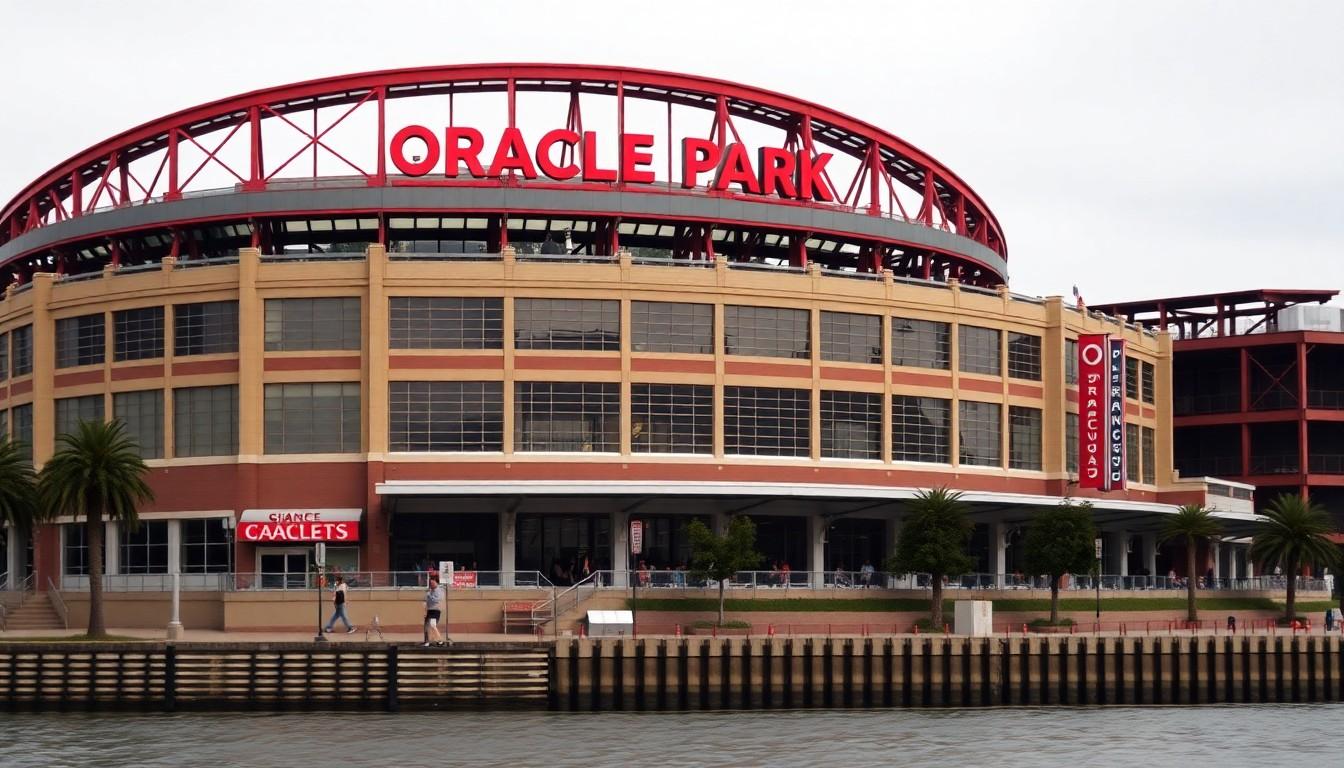
Watch the reactions roll in , Major League Baseball, San Francisco Giants players, fans and civil-rights groups all found themselves in the spotlight after a Pride Night clash over caps, Bible verses and where public protest belongs, and the dispute matters because it highlights shifting attitudes toward corporate displays of identity.
Essential Takeaways
- What happened: Several San Francisco Giants players wrote Bible verse references on the fronts of supplied Pride-themed caps during a June game, drawing MLB rebukes and public debate.
- League response: MLB said the inscriptions violated uniform policies and issued warnings; the move sparked coverage from major outlets.
- Fan reaction: Responses were mixed , some praised the players’ quiet protest, others saw it as antagonistic to Pride messaging.
- Cultural context: The episode is playing out amid broader discussions about corporate support for social causes and changing public sentiment toward visible Pride displays.
- Practical note: If you follow games closely, the controversy is a reminder that sports uniforms are tightly regulated and that symbolic acts on-field attract rapid scrutiny.
What actually happened on Pride Night
A group of Giants players took to their provided Pride caps and added small biblical verse references to the brim, a low-key act that immediately caught attention. Photographs circulated quickly, and MLB publicly warned the players that the markings violated league rules. The scene felt unusually quiet and visual , the sort of understated protest that reads louder on camera than in the stands.
Backstory matters here: teams often distribute special caps or jerseys for themed nights, and those items are designed to signal solidarity or celebration. But when players alter issued gear, even subtly, leagues tend to step in because uniformity and brand messaging are tightly managed. Expect teams to remind players of the rules next time themed merchandise appears.
Why the league and media moved fast
Major sports leagues monitor on-field messaging closely, partly because teams and sponsors invest heavily in consistent presentation. MLB’s statement framed the inscriptions as a breach of the uniform code, and outlets from The Guardian to The Washington Post reported the rebuke within hours. That rapid response underscores how quickly a single image can become a conversation about policy, PR and player conduct.
This moment also sits against a recent history of leagues taking visible stances on social issues, so any deviation from the official line becomes news. For fans who just want to watch baseball, the sight of messaging on a cap can feel distracting; for others it’s a necessary, symbolic stand. Either way, leagues are increasingly less tolerant of unauthorised expressions when they complicate broader partnerships.
The broader cultural conversation: pride, protest and public taste
The caps controversy has been chewed over by commentators on all sides, and it plugs into a wider debate about corporate-sponsored displays of identity, from Pride merchandise to political messages on uniforms. Public opinion on social issues can ebb and flow, and media outlets are noting how tolerance and enthusiasm for visible Pride moments are changing in some segments of the public.
That doesn’t mean the topic is simple. For many, Pride events are about visibility and safety; for others, constant corporate participation feels performative or overbearing. Understanding both perspectives helps explain why a small, personal act on a baseball cap suddenly attracts headlines and heated exchanges across social platforms.
What this means for players, teams and fans
Players who choose symbolic protest should know that teams and leagues have rules designed to prevent unauthorised messaging. If you’re a fan wondering how much personal expression you’ll see on game day, remember that consistency is a priority for organisations selling merchandise and cultivating sponsors. Meanwhile, teams will likely brief players more explicitly before future themed nights.
Fans can also expect the conversation to continue beyond the ballpark. Media coverage of the incident has stoked discussion about limits to public displays, how corporations engage with social causes, and how athletes navigate personal beliefs within team structures. For folks who prefer to keep sport separate from activism, this episode will feel like a nudge toward stricter enforcement; for those who value athletes’ voices, the incident is further proof that even small gestures have impact.
How to think about symbolic gestures in sport
Small acts , like writing a reference on a cap , are amplified in modern sports culture, and they often serve as proxy debates for larger societal questions. If you want to parse these moments, ask: what was the intent, who authorises the symbol, and what effect does it have on teammates, fans and partners? That framework helps you separate performative stunts from meaningful protest.
For spectators, a practical takeaway is to watch how leagues respond next time. Policies evolve when incidents highlight gaps, and this controversy could prompt clearer guidance on how to handle themed merchandise and player expression at games.
It's a small change that can make every on-field message clearer and less surprising.
Source Reference Map
Story idea inspired by: [1]
Sources by paragraph: