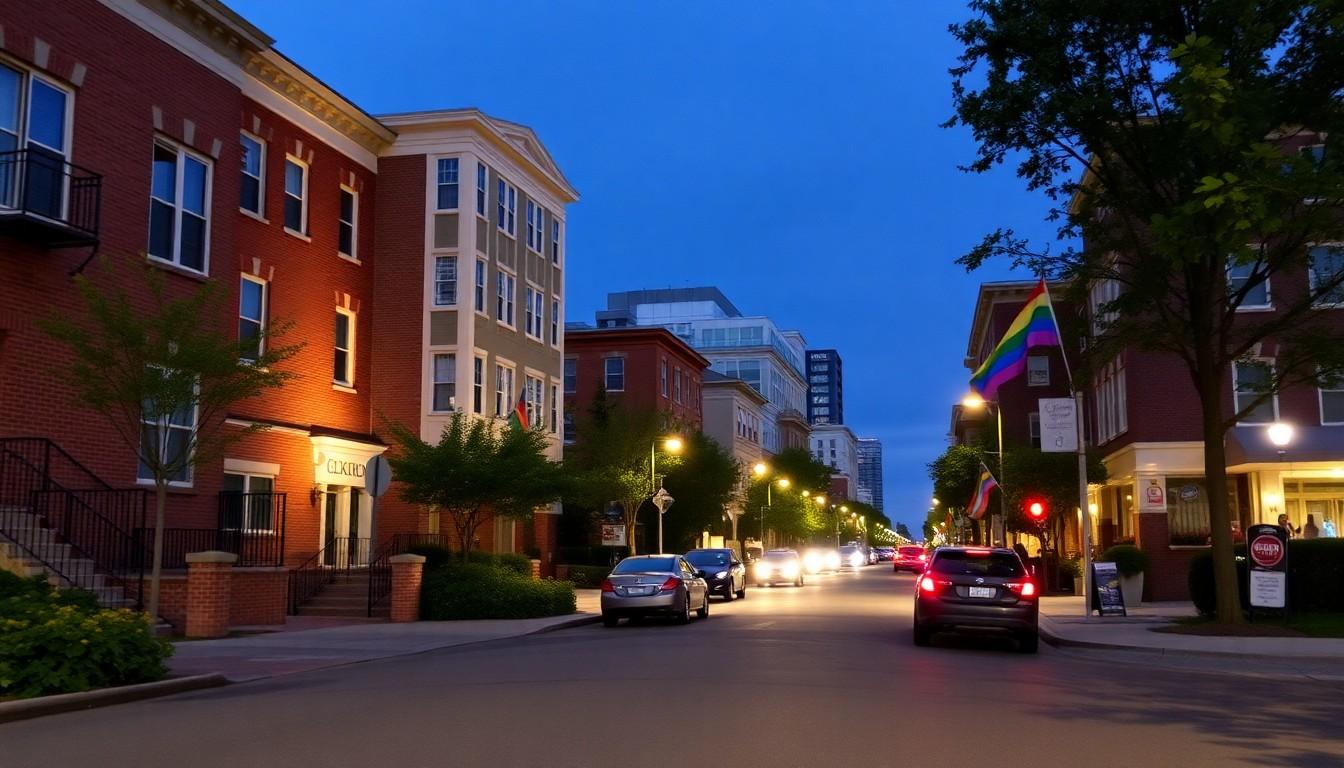
Notice a smaller splash of rainbows this June? Shoppers and citizens are seeing fewer Pride displays in stores and public life as national polling shows support for LGBTQ+ issues has eased from its recent highs, a change that matters for brands, communities and how we mark the summer calendar.
Essential Takeaways
- Public sentiment has dipped: Gallup finds moral acceptance of gay and lesbian relations fell to 62% from a 2022 peak of 71%, and support for gender changes has also softened.
- Support peaked early in the 2020s: Approval of same-sex marriage and other LGBTQ+ issues plateaued then edged downward, according to long-running Gallup tracking.
- Political and cultural pushback is a factor: Conservative leaders and new state proclamations emphasising traditional family values are reshaping local June observances.
- Retail and visibility follow the mood: Shoppers report fewer Pride displays this year, signalling brands are recalibrating marketing amid changing public opinion.
- Practical note for brands: If you’re a retailer or event organiser, clarity, authenticity and community engagement matter more than colourful window dressing.
Why fewer rainbows? A clear snapshot
Gallup’s recent polling shows what many of us noticed in town centres: Pride feels less omnipresent than in the previous few years. According to Gallup, approval rates for same-sex marriage and moral acceptance of gay and lesbian relations have slipped from early-2020s highs, and endorsement of gender changes has also eased. That kind of public-opinion movement tends to translate into visibility, store managers and event planners respond to customer signals, so fewer promotions and flags follow falling public enthusiasm.
The story isn’t solely political theatre. Axios and other outlets have reported subtle shifts in Republican attitudes and regional variations in support, and those shifts play out in shopping strips and local councils. Brands that once leaned heavily into Pride marketing appear to be pausing to reassess who they’re speaking to and how.
Backlash, rebranding and local proclamations
Some elected officials have gone further than silence. In several states governors have signed proclamations that explicitly celebrate “family” in June, labels such as Nuclear Family Month, Strong Families Month or Fidelity Month are being used to affirm traditional definitions of family and faith-led values. Axios covered local stories of mayors and communities offering alternative proclamations, and those actions inevitably colour local celebrations.
That doesn’t mean Pride is gone; it means the month has become contested public space. In places where state leaders mount counter-programming, community groups still stage parades, vigils and health services, but the public terrain has shifted, and visibility looks different from one town to the next.
Retail reaction: cautious, targeted, or just quieter
Retailers learned a lesson during the pandemic and the culture wars: promotions that don’t ring true to customers or staff can spark backlash. Many chains are now more measured in Pride merchandising, limited-edition items, internal staff training or donations to local charities, rather than large, permanent displays. That feels quieter on the high street but can be more meaningful.
If you run a small business, the choice is practical. Ask local customers what they want, partner with community groups, and make any support transparent and consistent. Tokenism is obvious; steady engagement is not.
What this means for communities and activists
For activists, a dip in national polling is a prompt, not a verdict. Gallup’s long-term data shows shifts in opinion can stall or reverse, so the focus often turns to state-level engagement: education, health services, and local legal protections. Pride events may be less saturated with corporate branding in some places, but grassroots organisers are using the quieter moment to deepen community ties and policy work.
And yes, some people are simply tired of attention-grabbing spectacles. Conversation has turned to what Pride should celebrate, rights, safety, culture or all three, and that debate influences whether people want bright flags in shop windows or more substantive commitments.
How to read the trend and act practically
If you care about Pride, whether as an ally, business owner or community leader, start with two questions: are you supporting people consistently year-round, and are your actions aligned with stated values? For consumers, vote with your wallet: choose businesses that support causes transparently. For brands, think local: small donations to local clinics, volunteer days, and clear policies for employees make a bigger impact than a seasonal display.
Polling and politics will keep shifting. According to Gallup and reporting in Axios, attitudes peaked recently and have nudged down, mostly among certain political groups. That suggests the landscape for Pride in public life will keep evolving through elections, court rulings and cultural conversations.
It’s a small change that can make every June more thoughtful.
Source Reference Map
Story idea inspired by: [1]
Sources by paragraph: