Shoppers and viewers are tuning into Pride specials this June , WABC‑TV's "Pride 2026: For All of Us" highlights New York City's LGBTQ community, mixing history, humour and contemporary struggles; it's timely, local and worth a watch if you care about queer stories, culture and activism.
Essential Takeaways
- What it is: WABC‑TV's annual Pride special, airing June 20 at 7 p.m., showcases a range of NYC LGBTQ stories, from archives to nightlife.
- Hosts: Sam Champion, Lauren Glassberg and Kemberly Richardson guide viewers through personal profiles and performances.
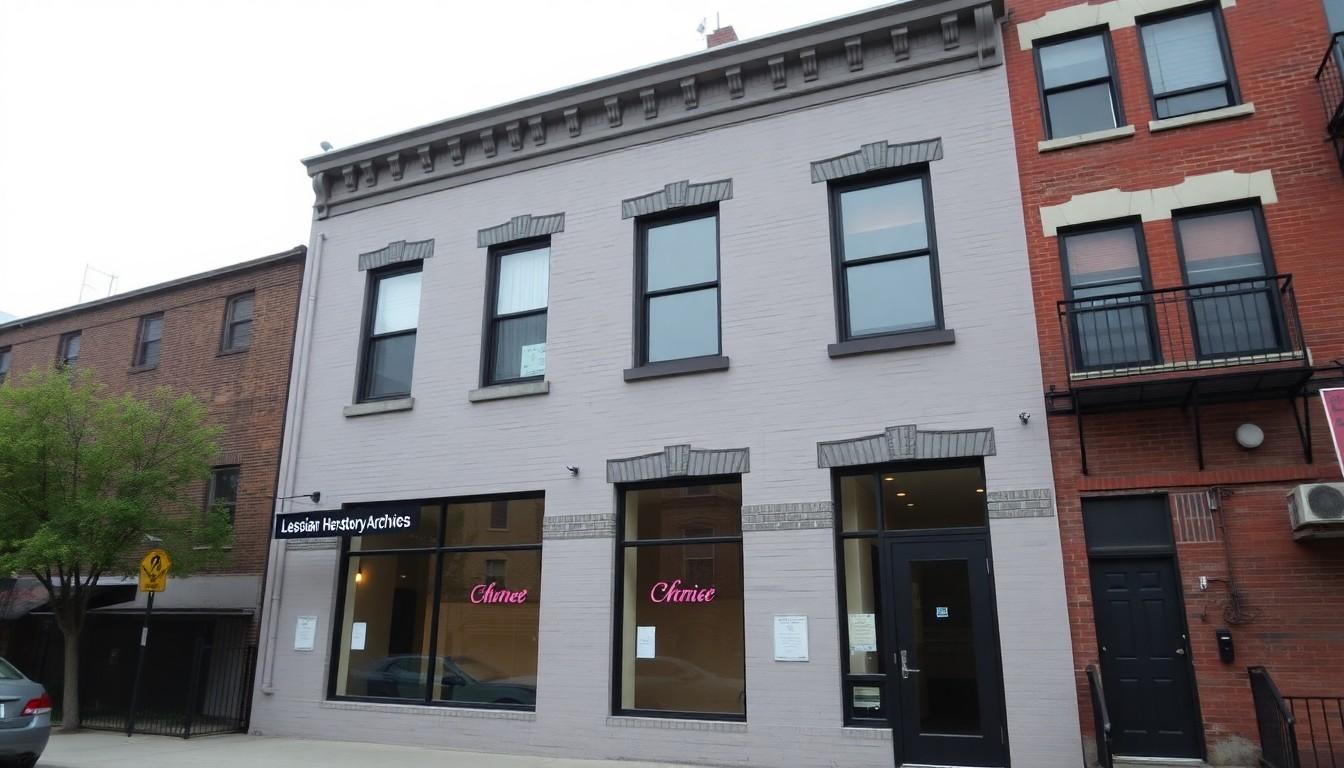
- Highlights: Features T Lounge , the only bar in NYC owned and run by trans women , plus the New York Ramblers, a gay Army veteran, and The Lesbian Herstory Archives.
- Tone and texture: Mixes intimate history, upbeat performance (including dancer Ezra Sosa) and lighter digital drag comedy with Fulla Regrets; feels both informative and warm.
- Why now: The special lands amid renewed debates over LGBTQ symbols and rights, so these stories have extra urgency and resonance.
A must‑see local special with a personal, human touch
WABC‑TV's "Pride 2026: For All of Us" opens with faces and voices, not just headlines, and that gives the whole hour a tactile, lived‑in feel. You can almost hear the low hum of a bar, or the rustle of pages in an archive, and that sensory detail makes history feel immediate. According to the station, hosts Sam Champion, Lauren Glassberg and Kemberly Richardson steer the show through portraits that range from celebratory to sobering. For viewers who like their journalism with texture, this is television that hands you stories rather than clips.
Why the T Lounge profile matters now
The show highlights T Lounge, billed as the only New York bar owned and operated by trans women, and that segment lands with extra weight given today's political climate. Coverage like this does more than document , it normalises trans leadership in small‑business and nightlife spaces. Viewers can expect candid conversation about running a community hub, and why such spaces are crucial when anti‑trans rhetoric and policy debates are in the news. If you care about supporting queer‑owned venues, this profile points you to places that benefit from both attention and patronage.
From the Stonewall Inn to the Lesbian Herstory Archives: history up close
"Pride 2026" threads local history through personal memory , including a profile of a gay Army veteran whose life was altered by a visit to the Stonewall Inn, and a look inside The Lesbian Herstory Archives. These pieces remind viewers that Pride is rooted in struggle and storytelling, not only parades. The show ties personal narratives to broader milestones, which helps put present controversies over monuments and flags into context. If you're planning to visit the West Village, the special's walking‑tour segment doubles as a mini primer on sites worth seeing.
Sport, choreography and comedy: a varied celebration
Not all of the hour is solemn. Expect a profile of the New York Ramblers, the world's first openly gay soccer club, alongside performances from Ezra Sosa, a rising dancer and LGBTQ advocate who prepares a special routine for the show. And for a slice of online culture, there's Fulla Regrets, a digital drag character who brings cheeky, old‑lady humour to the mix. That range keeps the programme lively and makes it useful for families or anyone who wants to see the breadth of queer life , from grassroots sport to viral comedy.
How this special fits into a bigger conversation
The "For All of Us" theme echoes NYC Pride's own slogan and a long civil‑rights lineage, underlining that individual stories are tied to collective rights. With recent national headlines about Pride flags and monuments, these local stories act as a reminder that symbols matter and that community spaces offer refuge and memory. Watching the special is a practical way to stay informed: you'll leave with names, places and small actions , whether visiting an archive, supporting a queer bar, or following an activist performer , that actually matter.
It's a small change that can make every story feel more connected.
Source Reference Map
Story idea inspired by: [1]
Sources by paragraph: