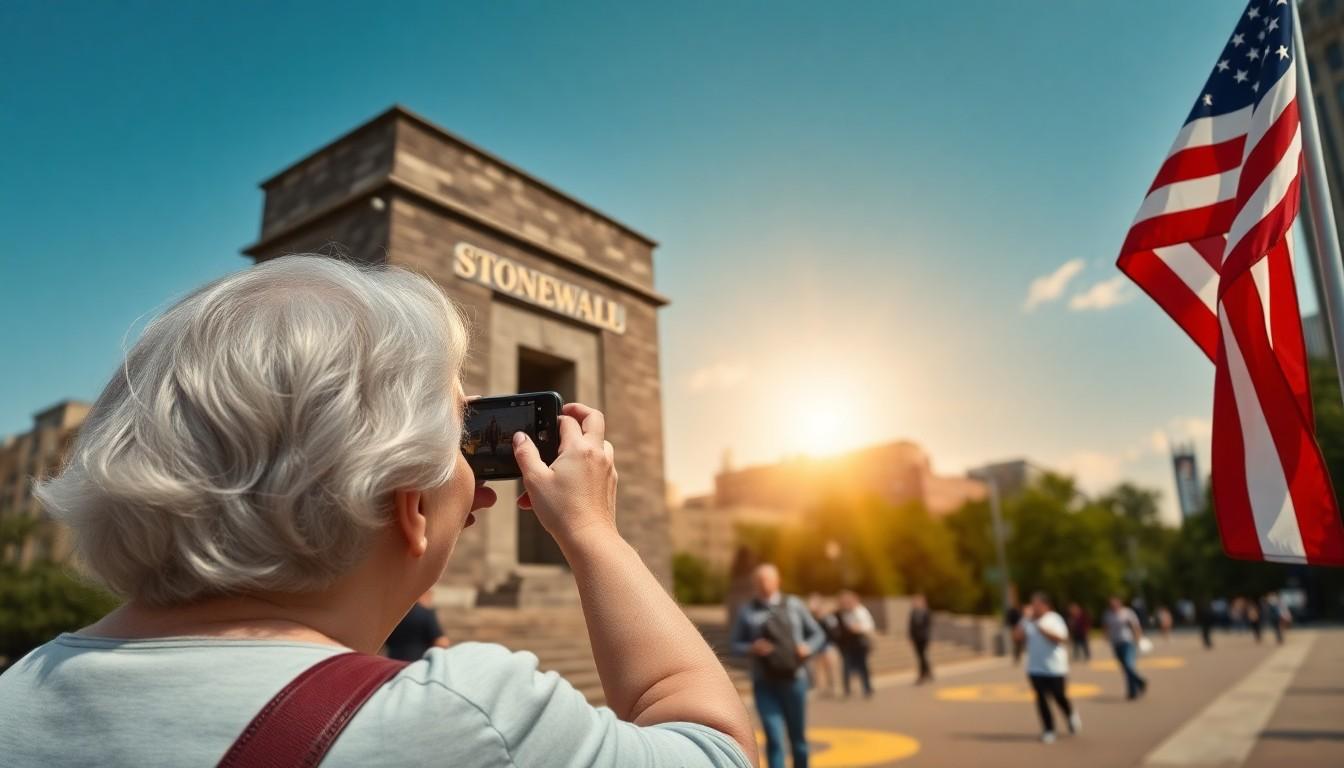
Shoppers, activists and everyday New Yorkers watched in disbelief when the Trump administration ordered the rainbow flag down at the Stonewall National Monument , and the backlash that followed shows why that single flag matters so much to the LGBTQ+ community, culturally and emotionally.
Essential Takeaways
- Swift legal response: Lambda Legal filed a fast-moving lawsuit and won a settlement restoring the six‑stripe rainbow flag at Stonewall.
- Symbolic power: The rainbow flag functions as a beacon of belonging; its removal felt like an erasure to many.
- Different stakes: Removing Stonewall’s flag sparked broader outrage than other policy attacks because of the site’s history and visibility.
- Incomplete victory: The settlement returned the rainbow flag, but bans on other Pride variations such as the Trans and Progress flags remain contentious.
What happened, plainly and quickly
The Trump administration removed the rainbow flag from the Stonewall National Monument this winter, citing government guidance, and the decision provoked immediate outrage. Within days Lambda Legal mobilised a team and filed suit, and within weeks the courts ordered the flag returned. The scene felt urgent and raw , people who had travelled, taken pictures and built memories around that flag suddenly saw it gone.
Why one flag at one monument felt different
Stonewall is shorthand for the modern LGBTQ+ rights movement, so the rainbow there isn’t just decoration , it’s a reminder of struggle and survival. Observers told reporters that seeing the flag taken down at the very site where queer people were persecuted felt like history being contested. That concrete, visual act cut through headlines in a way policy memos rarely do.
The law moved, but the debate keeps going
Lambda Legal’s rapid legal action shows how civil‑rights groups can respond quickly when a clearly recognisable symbol is targeted. Still, activists call the settlement a “halfway” win: the rainbow returned, yes, but other flags that represent trans and intersectional identities remain banned in some displays. That gap keeps the argument alive about who is seen and protected.
Flags as emotional infrastructure
Flags function as practical signposts and as emotional infrastructure. For someone who’s isolated or newly out, spotting a Pride flag can feel like a soft landing , proof there’s a community. Experts note that the proliferation of different Pride flags reflects a grassroots impulse to be visible and named. That’s why people defend them fiercely: to be excluded from a symbol is, for many, a real wound.
The political optics mattered
Analysts argue the episode exposed limits to an administration’s attempts to erase LGBTQ+ visibility. Removing Stonewall’s flag generated broad, uncomfortable coverage that made the move politically costly. For some, it demonstrated how visual gestures can shape public sentiment in ways policy language cannot.
What this means for everyday people
If you care about visibility, a few practical things matter: visit symbolic sites when you can, support local organisations that legally defend public displays, and be mindful that inclusive flag displays require both advocacy and persistence. Small gestures , taking a photo with a flag, donating to a legal fund, or showing up at a rally , add up.
It’s a small change that can make every public display more reflective of the community it’s meant to protect.
Source Reference Map
Story idea inspired by: [1]
Sources by paragraph: