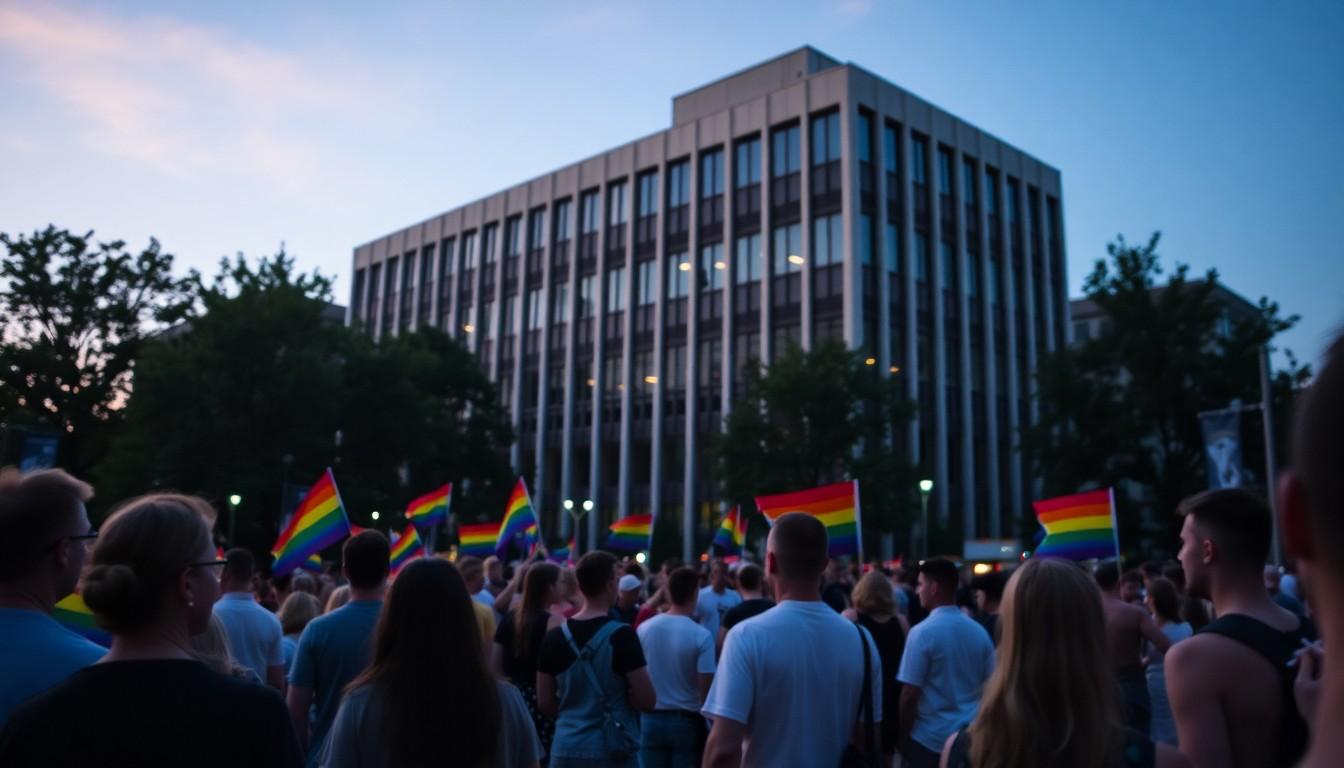
Notice a change? Polling and cultural cues suggest Americans are softening their enthusiasm for Pride-style activism, with implications for organisers, brands and everyday conversations across the US. This piece rounds up the data, corporate moves and cultural context so you can see what’s actually changing , and why it matters.
Essential Takeaways
- Polling snapshot: Recent Gallup figures show support for several LGBTQ positions has dipped from early-2020s highs, though core backing for same-sex marriage remains sizeable.
- Corporate pullback: Some companies have reduced visible Pride sponsorships, which organisers say makes events harder to fund and leaves a quieter feel.
- Nuanced attitudes: Many Americans separate private support for individual rights from enthusiasm for public, politicised Pride displays.
- Practical watchpoints: If you run events, plan budgets for smaller sponsorships and consider community-first programming that feels less commercial.
- Emotional cue: The shift feels less like backlash and more like fatigue , the bright, noisy parade energy is giving way to quieter, more private expressions.
What the polls are actually showing , and what they don’t
Gallup’s recent releases chart a modest retreat from the peak levels of public enthusiasm for a set of LGBTQ-related issues. The numbers aren’t dramatic reversals; they’re nudges downward that suggest a plateauing or cooling after several years of rapid change, and you can practically feel the conversation losing some of its edge. According to Gallup, backing for specific policies such as openly transgender troops and other flashpoint questions has eased compared with a few years ago. That doesn’t mean broad rights are overturned , support for same-sex marriage, for example, remains solid , but it does show a more complex, less uniformly enthusiastic public mood.
Context matters: shifts in survey wording, current events and media cycles all affect how people answer. So read these polls as a snapshot of attitudes, not a final verdict on social change.
Why brands are stepping back , economics, optics and audience fatigue
You’ve probably noticed fewer splashy corporate Pride campaigns in some places. Companies tell organisers they’re juggling costs, shareholder sensitivities and customer backlash in a tougher economic climate, and that’s led to quieter sponsorship strategies. Organisers say that pullback can make events feel smaller and more community-driven; they also worry about losing resources for fringe services like safety teams and inclusive programming.
There’s a commercial logic here: when marketing budgets tighten, high-profile political or cultural stances are often the first to be trimmed. That’s partly why Pride events in some cities now prioritise grassroots fundraising or local partnerships instead of relying on national brand cheques.
From celebration to scrutiny , how cultural debates are reframing Pride
Public conversations about Pride have shifted from celebratory moments to debates about commercialisation and politics. Many people who support individual rights are less keen on corporate floats and activist messaging that feels overtly political, creating a split between private sympathy and public approval. That nuance helps explain why someone can back marriage equality but feel lukewarm about elaborate Pride parades or corporate rainbow merchandise.
This reframing is also a sign of maturation: movements often pass through phases of visibility, backlash, consolidation and institutionalisation. Right now, Pride appears to be in a phase of reassessment where form and function are being questioned.
What organisers and communities can do , practical steps to adapt
If you organise events, think local and lean into authenticity. Mixed funding streams , more small donors, grants and community partnerships , reduce reliance on big corporate sponsors and create resilience. Programme-wise, less spectacle and more services (support booths, legal clinics, quiet spaces) meet real needs and may broaden appeal.
For brands, transparency is key. If you continue to support Pride, explain why and how your support benefits communities rather than just marketing KPIs. That approach reduces accusations of performative allyship and builds trust.
What this means politically and culturally , a cautious outlook
A slowdown in visible enthusiasm for Pride doesn’t erase decades of legal and social progress, but it does change the terrain for future advocacy. Less corporate noise might mean more grassroots organising, or it might signal a lull before renewed engagement. Cultural trends ebb and flow; for now, what feels different is a quieter atmosphere and a turn toward personal discretion rather than headline-grabbing displays.
For everyday readers, the takeaway is simple: the debate is shifting from yes-or-no questions to how and where support is shown. That’s an opportunity for clearer conversations and more focused efforts.
It's a small change that could make a big difference in how Pride looks and feels next year.
Source Reference Map
Story idea inspired by: [1]
Sources by paragraph: