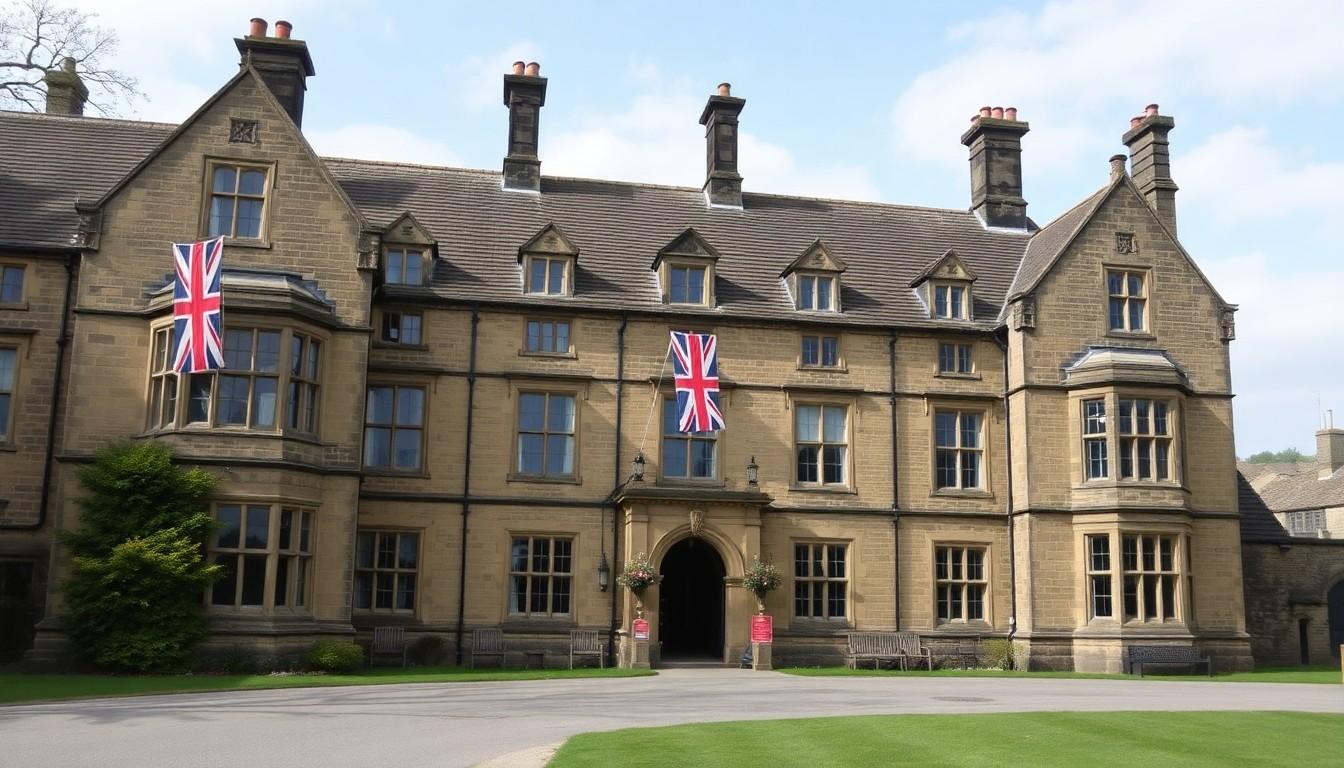
Shoppers and residents have noticed Calderdale Council’s public buildings aren’t flying the Pride flag this month, sparking calls from local campaigners and councillors who say it matters for visibility, tourism and community wellbeing. The council’s Reform UK leadership says the Union Jack represents everyone, but critics want a rethink.
Essential Takeaways
- Council stance: Calderdale’s new Reform UK administration will fly the Union flag from Halifax Town Hall and says this symbol represents all borough residents.
- Local pushback: Pride organisers and Labour councillors want the Pride flag at sites including Shibden Hall, arguing it supports LGBTQ+ people and local tourism.
- Unofficial displays: Rainbow banners have appeared around the borough, sometimes without permission, including on lamp posts near Halifax Town Hall.
- Practical concern: Campaigners stress a simple flag can offer reassurance to those struggling with identity and help sustain visitor interest linked to Anne Lister’s legacy.
- Policy next steps: The council will review its flag-flying protocol at the Governance and Business Committee to clarify rules and consistency.
What Calderdale decided , and why it’s caused a stir
Calderdale’s ruling group has confirmed the Union Jack will fly from Halifax Town Hall this June, saying the national flag “represents all the people of the borough.” That decision landed against a backdrop of visible rainbow banners around town, and an explicit request to fly the Pride flag at Shibden Hall , a site tied to Anne Lister and the Gentleman Jack story, which brought visitors to Halifax. It’s easy to see why people are upset; flags are an immediate, visible sign of who’s welcome.
Why local campaigners say the Pride flag matters
For many, the Pride flag isn’t just decoration , it’s recognition. Local Pride organisers and Labour councillors have argued a flag at council sites would reassure young people questioning their sexuality and acknowledge the borough’s LGBTQ+ history. Shibden Hall, in particular, carries cultural weight because of its association with Anne Lister; campaigners say flying the flag there during Pride month would be a natural way to celebrate that heritage and boost visitors’ sense of welcome.
The council’s position: unity, priorities and procedure
Leader Dan Sutherland has been clear: the Union flag will be the council’s chosen emblem and the administration is prioritising issues residents consistently raised, such as roads, crime and housing. He’s framed the choice as about representing everyone and maintaining consistent flag-flying practice. The practical detail is next , the council will review its flag protocol at an upcoming committee meeting to ensure consistency with national guidance, which may determine future choices.
Where the debate fits into wider trends
This row in Calderdale echoes disputes elsewhere where councils have rethought flying Pride flags or faced demands to do so, and where local politics intersect with symbolic gestures. Across the UK and beyond, flag decisions have become shorthand for broader cultural conversations about inclusion, identity and local priorities. In towns reliant on heritage tourism, though, symbols can also be practical , they affect how welcoming a place feels to visitors.
How residents and visitors can respond , and what to watch for next
If you care about the outcome, a calm, practical route is to contact your ward councillors or attend the Governance and Business Committee meeting when the protocol is reviewed. For Shibden Hall lovers and local businesses, highlighting the link between heritage tourism and inclusive signals may persuade councillors who worry about broader community representation. Watch for the committee’s recommendations , they’ll determine whether the council keeps a single-flag approach or adopts more flexible, seasonal flag flying.
It's a small gesture with outsized symbolism; many will be watching to see whether Calderdale’s protocol review brings change.
Source Reference Map
Story idea inspired by: [1]
Sources by paragraph: