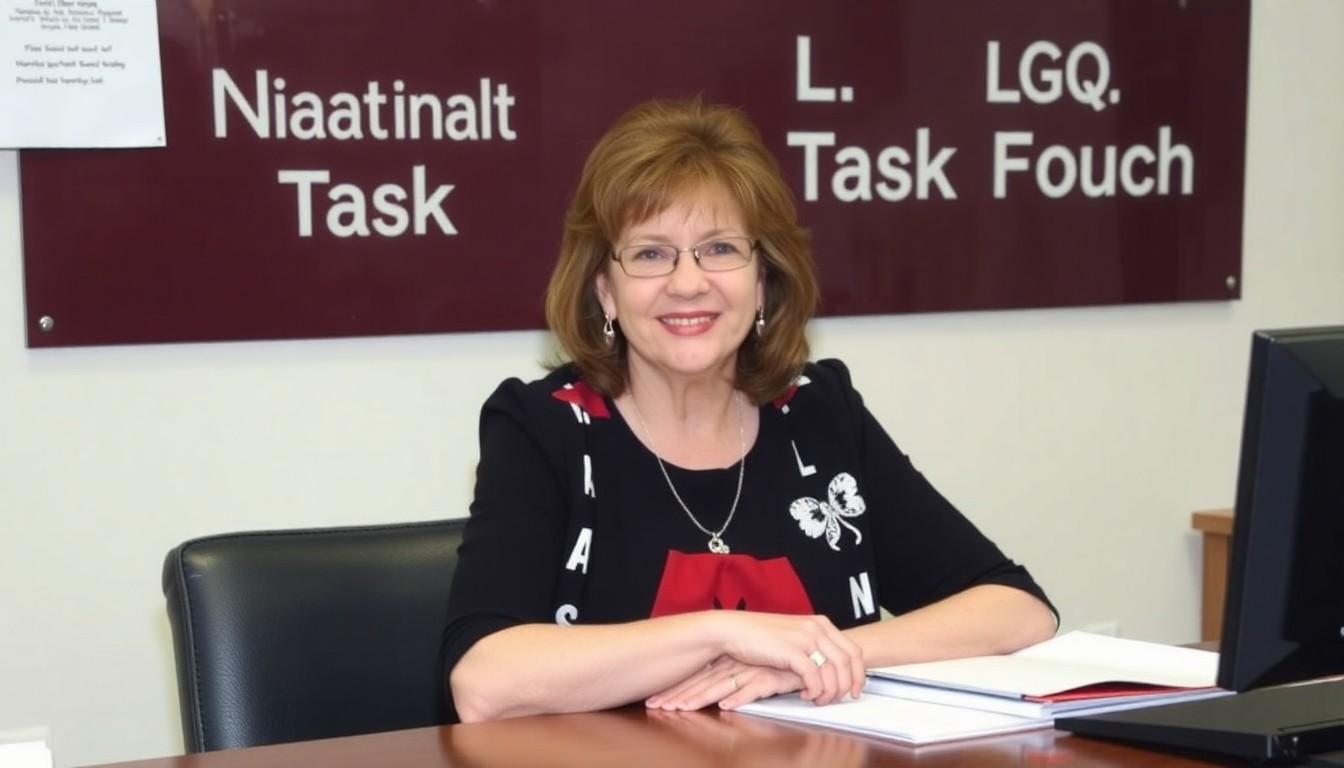
Watchful, relentless and quietly strategic, Cathy Renna has spent three decades shaping how LGBTQ+ stories reach the public , from Matthew Shepard’s case to modern-day organising , and why that matters for journalists, activists and everyday queer people.
Essential Takeaways
- Long career: Renna has worked with GLAAD and the National LGBTQ Task Force since the early 1990s, handling high-profile crises and campaigns.
- On the scene: She moderated press briefings in Laramie after Matthew Shepard’s murder and helped push attention to lesser-covered hate crimes.
- Bridge-builder: Renna’s role combines media savvy with grassroots care , she demystifies press processes and trains communities to tell their stories.
- Organisational impact: As communications director at the Task Force, she’s driven projects like Queer the Vote and Creating Change communications, focusing on civic engagement.
- Human side: She balances activism with family, travel and small pleasures , video games, Pokémon cards , keeping burnout at bay.
A practitioner who turns crises into clear narratives
Renna’s work is best described by one image: a press conference in Laramie, Wyoming, in 1998, when the nation was watching and reporters needed direction. That moment, when she stood on behalf of GLAAD, shows the mix of steadiness and speed her job demands. According to accounts from the period, getting accurate coverage in the chaotic wake of a hate crime required someone who could parse reporters’ needs while protecting grieving families.
That hands-on crisis work became a template for Renna. Instead of letting stories fragment or vanish, she creates the bylines, backgrounds and human angles that turn incidents into national conversations. For activists and organisations, that’s the difference between being noticed and being erased.
Bringing overlooked victims into national view
Renna’s record isn’t only about the biggest headlines. She pushed for coverage of Sakia Gunn, a Black butch lesbian murdered in Newark in 2003, at a time when many were unwilling to travel beyond more visible protests. She’s spoken about how proximity and bias shape who is seen, noting that some victims get mass attention while others are ignored. Those interventions, often uncomfortable and quiet, are a through-line in her career.
Understanding who is left out of headlines remains central to modern PR for justice causes. Renna’s approach is explicitly intersectional: race, gender expression and class all influence whether a story reaches mainstream audiences, and she’s made it her business to correct that imbalance.
From volunteer clipper to communications director
Renna’s pathway into media activism started small , clipping newspapers and writing letters for GLAAD in Washington, D.C. , and scaled into leadership. She volunteered through the early 1990s, protested problematic films, and connected with task-force organisers at the 1993 March on Washington. Those grassroots roots informed her later decision to co-found a queer-focused PR firm so nonprofits could access professional comms without breaking the bank.
That entrepreneurial move let Renna practise the precise craft she’d learned at scale: translating complex policy and community needs into clear messages, while teaching organisations how to work with reporters. For groups planning a campaign, the lesson is simple: invest early in communications expertise.
The Task Force: political home and practical education
When Covid-19 cancelled in-person events, Renna stepped in at the National LGBTQ Task Force and became interim communications director, eventually taking the full-time role. Her remit covers high-profile events like Creating Change, a multi-day convening that mixes panels, parties and political strategy, as well as sustained civic projects such as Queer the Vote and Queer the Census.
Renna stresses that political education , explaining what an executive order actually does, or how state processes work , is as crucial as headlines. In the fraught days after the 2025 executive orders targeting trans people, she juggled immediate press work with quieter coalition-building, illustrating how communications can be both urgent and infrastructural.
Practical tips from Renna’s playbook
If you’re a campaigner, organiser or small LGBTQ+ group, try a few of Renna’s practical moves: prepare simple, sharable spokespeople bios; anticipate the hard questions and draft brief answers; build media relationships before you need them; and centre affected families when appropriate to humanise coverage. Also, don’t overlook small comforts , a steady personal life helps you sustain long battles.
Her broader advice is political and practical: stay organised for elections, keep training people in civic process, and don’t assume visibility equals safety. Effective communications is a long game, and Renna’s career shows the payoff.
It's a small change that can make every story safer and stronger.
Source Reference Map
Story idea inspired by: [1]
Sources by paragraph: