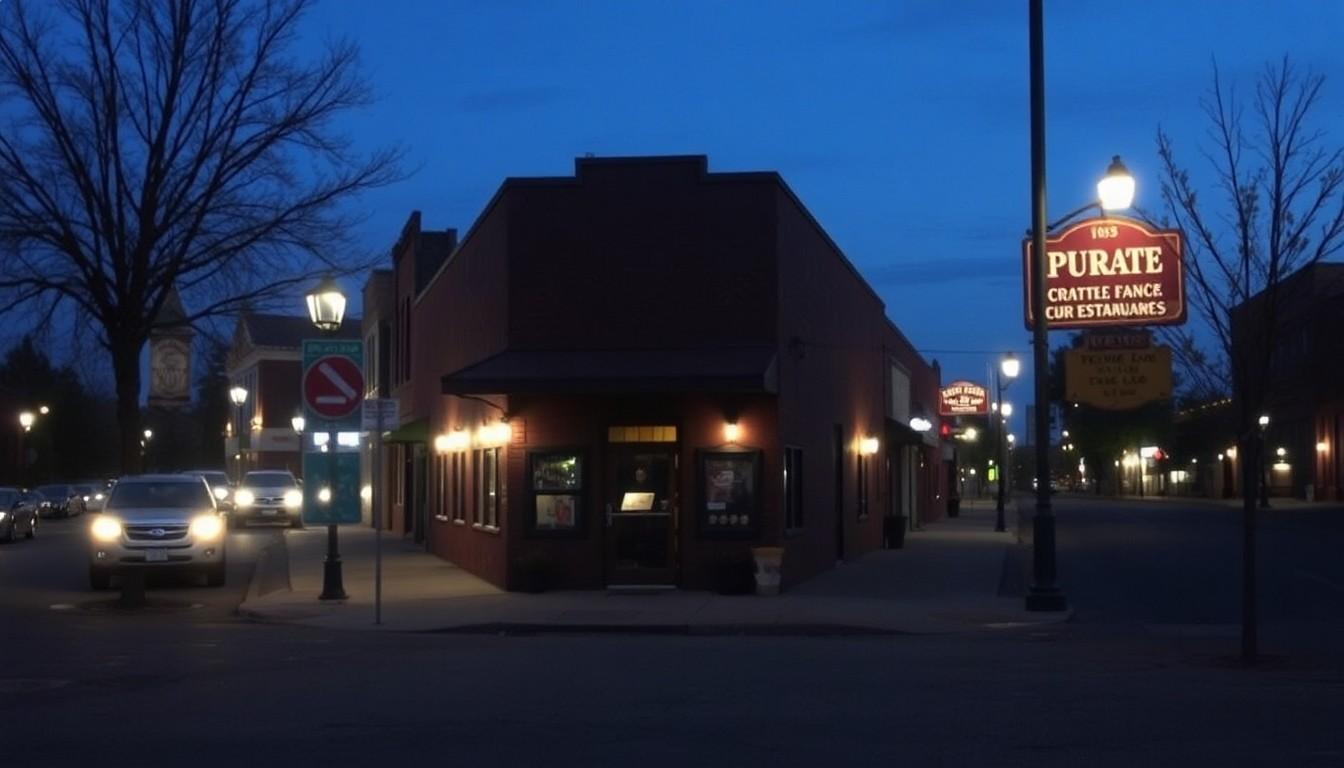
Shoppers, visitors and locals have watched Durango’s queer nightlife shift this year, as the February closure of the Starlight Lounge left performers and regulars scrambling for safe, lively spaces to gather , and reminded many why community organisers are turning to house parties, regional venues and activism to keep queer nightlife alive.
Essential Takeaways
- Starlight loss: The Starlight Lounge closed in February, removing a long-running, welcoming Main Avenue venue where weekly drag nights and queer events were held.
- Safety concerns: Performers and patrons report fewer visibly safe public spaces downtown, and recent incidents have raised concerns about targeted harassment.
- Alternative scenes: Drag artists are holding events in nearby towns such as Pagosa Springs, and the community is relying more on private gatherings and regional venues.
- Business angle: Hosts say queer nights were lucrative , consistent crowds proved there is spending power for venues that welcome LGBTQ events.
- Resilience: Despite setbacks, organisers see tighter bonds, renewed activism and hope that new venues will emerge.
Why the Starlight mattered , and why its absence hurts
The Starlight had become a tactile, comforting presence on Main: sticky-glass bar tops, neon light spilling onto the pavement, and a room where regulars felt safe and known. Its closure in February left an obvious gap for performers and patrons who used the lounge as a weekly anchor. According to local performers, the bar’s staff and security were proactive about removing troublemakers, which made a night out feel relaxed and joyful. With that gone, many say Durango feels quieter and a little colder at night.
The Starlight’s disappearance isn’t just about one building closing; it’s about losing a predictable public stage for drag, queer trivia and meet-ups. Performers who relied on a steady turnout are finding it harder to plan shows and reach audiences. For anyone booking a venue or trying to keep a weekly event alive, the challenge is logistical and emotional: where do you go when your usual crowd has scattered?
Safety on Main Avenue: incidents and the ripple effect
Concerns about safety have become more visible in recent months. Local reports describe incidents in which people were targeted due to perceived sexual orientation, prompting a police inquiry into possible hate crime motives. Those episodes have a ripple effect: friends who once popped into bars casually now think twice, and some have stopped going out on Main altogether. For a community that found strength in public visibility, the fear of harassment chips away at that confidence.
That said, staff at many venues remain welcoming, and business owners still host queer events. The tension is between hospitality and the composition of the crowd: tourists, for instance, can shift the vibe in ways that make regular queer patrons uneasy. Venues and organisers now face the balancing act of keeping events open and inclusive while making safety an explicit priority.
How performers are adapting , looking to nearby towns and private gatherings
Not every performer has folded , many have simply relocated nights or tried new formats. Monthly trivia events in smaller towns are drawing surprising crowds, showing that demand for queer programming exists beyond the city centre. House parties, barbecues and private bookings are back on the rise, too , they’re quieter, more controlled settings where people can socialise safely and rebuild community ties.
This shift alters how community energy is spent. Private events strengthen interpersonal bonds, but they also limit visibility. For some, that trade-off is worth it; for others, it’s a reminder that public queer life still matters. If you’re an organiser, consider hybrid approaches: small private warm-ups followed by a public pop-up at a vetted venue, or partnering with sympathetic businesses outside the busiest tourist strip.
The business case: queer nights pay , venues that welcome them stand to gain
Performers and organisers point out that queer events were often among the busiest nights of the week, filling small venues and delivering solid bar takings. From a plain business perspective, hosting drag trivia or queer dance nights makes financial sense. Yet some venue owners have weighed that against perceived tourist preferences, and in a tourist-dependent town these decisions can skew conservative.
For managers thinking pragmatically: run a few trial events, advertise them clearly, and staff them with trained door teams to keep things safe. The evidence suggests there’s a paying crowd ready to show up if they feel welcomed. Making that visible may also nudge other businesses to embrace queer programming.
Pride, activism and the next chapter
Pride this year has felt different to some locals , less flagging on shopfronts, fewer visible markers , but the celebration has also taken on renewed urgency. For many, public joy is an act of resistance; the community is framing events as both celebration and statement. Organisers say this moment has intensified grassroots organising and reminded people why visibility and space still matter.
Optimism remains. Performers and community members expect new venues and models to appear, and many are already experimenting with pop-ups, collaborations and cross-town nights. If there’s one lesson from the Starlight era, it’s that people will find each other; the question now is how to make those connections more public, safer and sustainable.
It's a small change that can make every night out feel like a little bit safer , and a reminder that community can be rebuilt, one event at a time.
Source Reference Map
Story idea inspired by: [1]
Sources by paragraph: