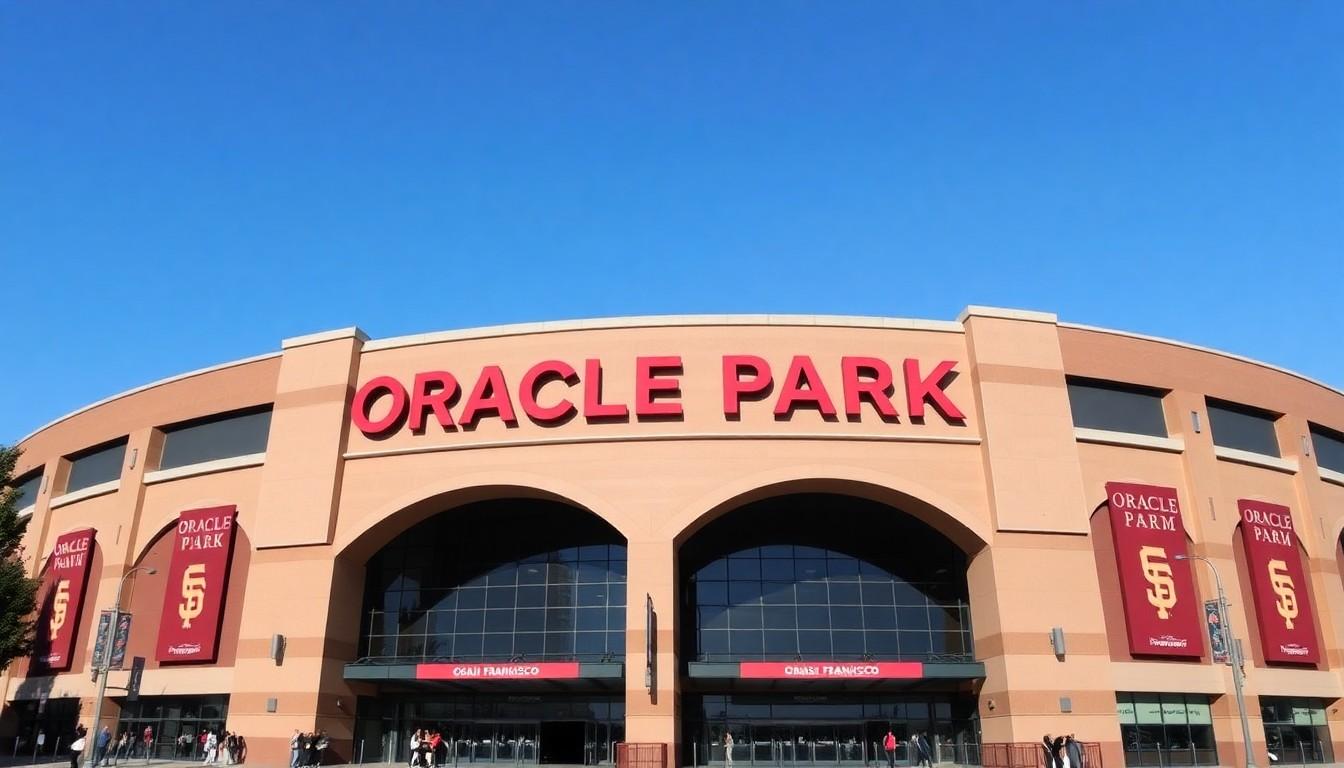
Shoppers of headlines have been watching a baseball flap unfold: three San Francisco Giants pitchers wrote Bible verses on their Pride Night caps, MLB warned them, and the debate over free expression, team rules and culture-war signalling is now centre stage. Here’s a clear-eyed roundup of who said what, why it matters, and how fans and clubs can think about it.
Essential Takeaways
- What happened: Three San Francisco Giants pitchers inscribed Bible verses on their Pride Night caps; MLB reminded teams that altering uniforms is against league rules.
- Immediate reaction: Local and national officials, athletes and advocacy outlets weighed in, calling the gesture expressive, disrespectful, or a violation of uniform policy depending on perspective.
- Senses and tone: The moment felt raw and symbolic , quiet handwriting on a cap became a loud public signal that triggered frustration and defence.
- Practical point: Clubs enforce dress and uniform codes; players who want to make statements should expect employer limits and possible league guidance.
- Wider context: This incident sits at the intersection of cultural debates about inclusion, religious expression and where private workplace rules meet public politics.
A simple mark became a headline , the opening hook
A few strokes of a pen on a fabric brim turned a Pride Night into a national conversation, and you could feel the room tense even through the headlines. According to AP reporting, the inscriptions triggered an MLB reminder about uniform rules and a swirl of public responses from politicians, teammates and commentators. The visual was oddly intimate , handwriting that felt like a private note, yet read as a public statement.
What the league and club actually did
Major League Baseball reiterated that altering uniforms violates league policy, and the Giants were put in the position of enforcing team standards. Sports outlets including Sports Illustrated and Fox Sports covered the warning to players, noting MLB’s interest in consistent application of those rules. For employers and leagues, this isn’t new: professional sport has long regulated uniforms to preserve branding and avoid on-field disputes about messaging.
Practical insight: players who want to make a point should run it past club PR or check collective-bargaining guidelines first. That avoids the awkward middle-ground where a personal act looks like an institutional endorsement.
How different voices framed the gesture
Not everyone saw the same thing. Some commentators framed the cap markings as a quiet expression of faith; others viewed it as an intrusive message on an event celebrating LGBTQ+ people. Outlets such as Outsports and The Guardian captured perspectives from players, club officials and advocacy groups, illustrating how quickly a small act is absorbed into larger cultural narratives.
Context matters: Pride events, anniversaries and team promotions turn otherwise routine games into charged symbolic moments, and that changes how actions are interpreted by both fans and public figures.
Politics, protest and privacy , where lines blur
Local politicians and public figures weighed in, arguing the matter from civic and moral angles. Coverage showed elected officials publicly urging clubs to enforce rules, while some players and observers defended personal beliefs. This highlights a persistent tension: when athletes use their platform, is the message personal or professional?
A practical take: teams can reduce friction by setting clearer expectations around special-event nights, and players can choose less confrontational ways to express views if they want to avoid distracting headlines.
What fans and clubs should take from this
Fans often want to watch the game, but they increasingly get performance plus politics. Clubs should expect that themed promotions , Pride nights, military appreciation games, breast-cancer awareness events , will attract layered meanings and strong reactions. The sensible route is clear policies, transparent enforcement and calm communication so that a scribble doesn’t balloon into division.
Looking ahead, expect more debate about what counts as acceptable self-expression in uniformed settings; the solution won’t be legalistic so much as cultural: clear rules, consistent enforcement and mutual respect.
It's a small scene with a big echo , worth paying attention, and worth thinking about how teams and players handle the next symbolic moment.
Source Reference Map
Story idea inspired by: [1]
Sources by paragraph: