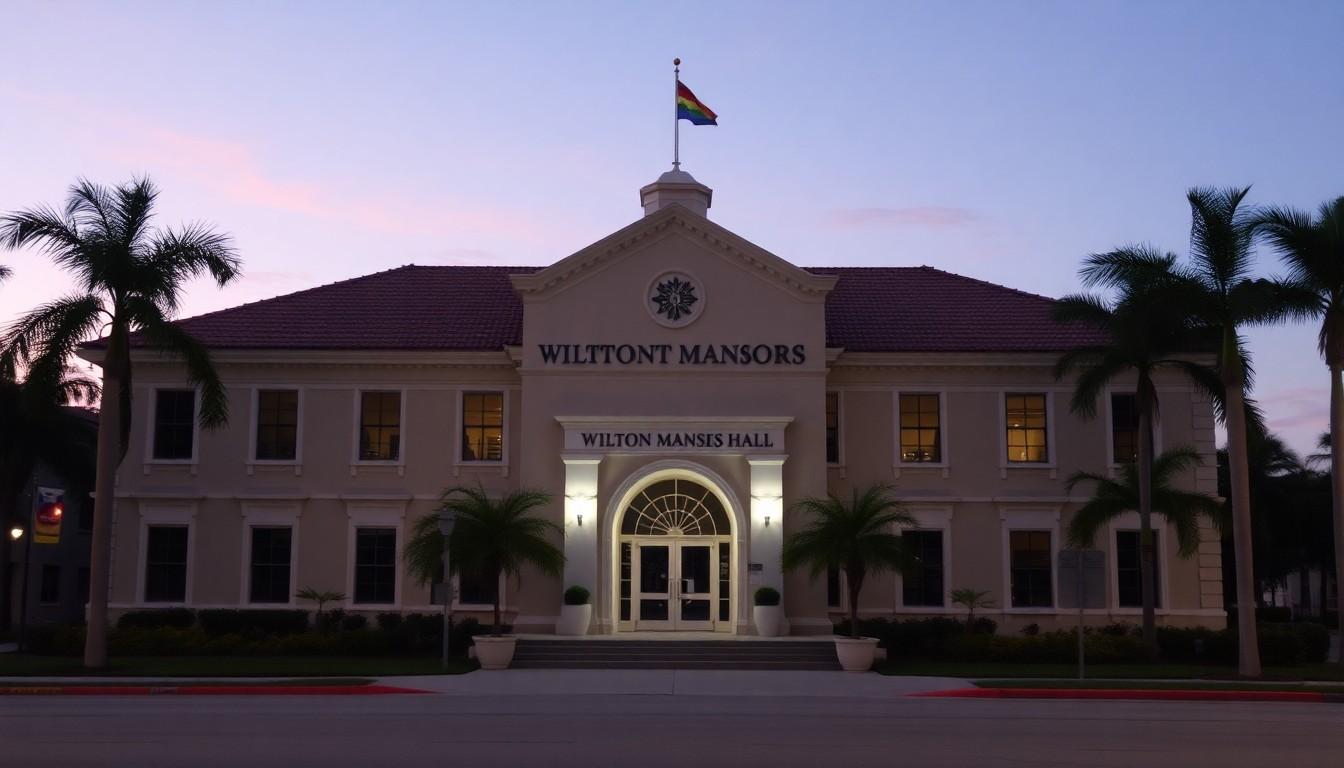
Shoppers and locals are flocking to a new one-stop platform: OutLGBTQ.com launched in South Florida to centralise events, directories and community resources, aimed at keeping visibility and practical support alive beyond Pride Month. It matters because connection has become a form of resistance and everyday care.
Essential Takeaways
- What it is: A centralised LGBTQ+ events calendar and community directory focused on Wilton Manors–Fort Lauderdale, with plans to expand.
- Built for access: Features include six language options, text-to-speech and simplified navigation for ease of use.
- Community-first revenue: Part of proceeds will support cultural programming and safe spaces for LGBTQ+ youth.
- Practical convenience: Users can browse listings, buy tickets and reserve experiences without leaving the site.
- Visibility mission: The platform doubles as a statement of presence amid political attacks on DEI and inclusion work.
Why a local LGBTQ+ hub matters now
OutLGBTQ.com arrives in a moment when local spaces and inclusion initiatives often feel under siege, and that context gives the launch real emotional texture. According to the platform’s founder, Norman Extract, this was built from years moderating community spaces and noticing how connection frays during political tension. For people who rely on local networks for social, professional or support needs, a single, visible hub can feel reassuring and practical.
This isn’t just about listings; it’s about signalling that the community remains active and accessible. Expect a slightly celebratory tone from organisers, but also a clear-eyed view that infrastructure matters when official spaces become hostile.
What’s on the site and how it works
At launch, OutLGBTQ.com combines an events calendar with a business and non-profit directory so discovery flows straight into action. You can find a gig, reserve a table, buy tickets and connect with a charity profile all from one place. That convenience will appeal to locals and visitors alike, especially in a busy leisure destination like Fort Lauderdale.
For businesses and nonprofits, the platform functions like a personalised storefront, an easy way to reach community members without relying solely on mainstream channels. Think of it as a modern ‘Gay Yellow Pages’ designed for bookings and engagement rather than just listings.
Accessibility and inclusiveness are built in
A useful detail that sets OutLGBTQ.com apart is the accessibility layer included from day one. The site offers six language options and text-to-speech for visually impaired users, and navigation choices designed to lower barriers for people who don’t feel comfortable on other platforms. That practical attention matters because true inclusion is about who can actually use a service, not just who’s advertised.
This approach also helps the platform serve the wide cultural mix of South Florida, where tourists and residents speak multiple languages and expect services to match their needs.
Money, mission and local support
Part of the platform’s revenue model funnels back into cultural programming and youth-focused initiatives, which keeps the offering tied to real-world community benefits. That’s a smart move: users aren’t just engaging with a directory, they’re supporting spaces that create ongoing welcome.
It also gives small businesses and grassroots groups an alternative to generic marketing channels. If you run a queer-friendly bar, charity or arts collective, listing here could mean reaching people who explicitly want to support community-first services.
Looking beyond Pride: growth and what to expect
Although launched around Pride, OutLGBTQ.com is pitched as infrastructure rather than a seasonal project. Extract and the team say they’ve already seen early engagement and plan to scale to other cities. If that happens, expect more regional calendars, broader business listings and deeper nonprofit partnerships.
For now, the Wilton Manors–Fort Lauderdale focus means the site has a dense, local starting point, great for trying features and building trust before a wider roll-out.
It’s a small change that can make every connection a bit easier.
Source Reference Map
Story idea inspired by: [1]
Sources by paragraph: