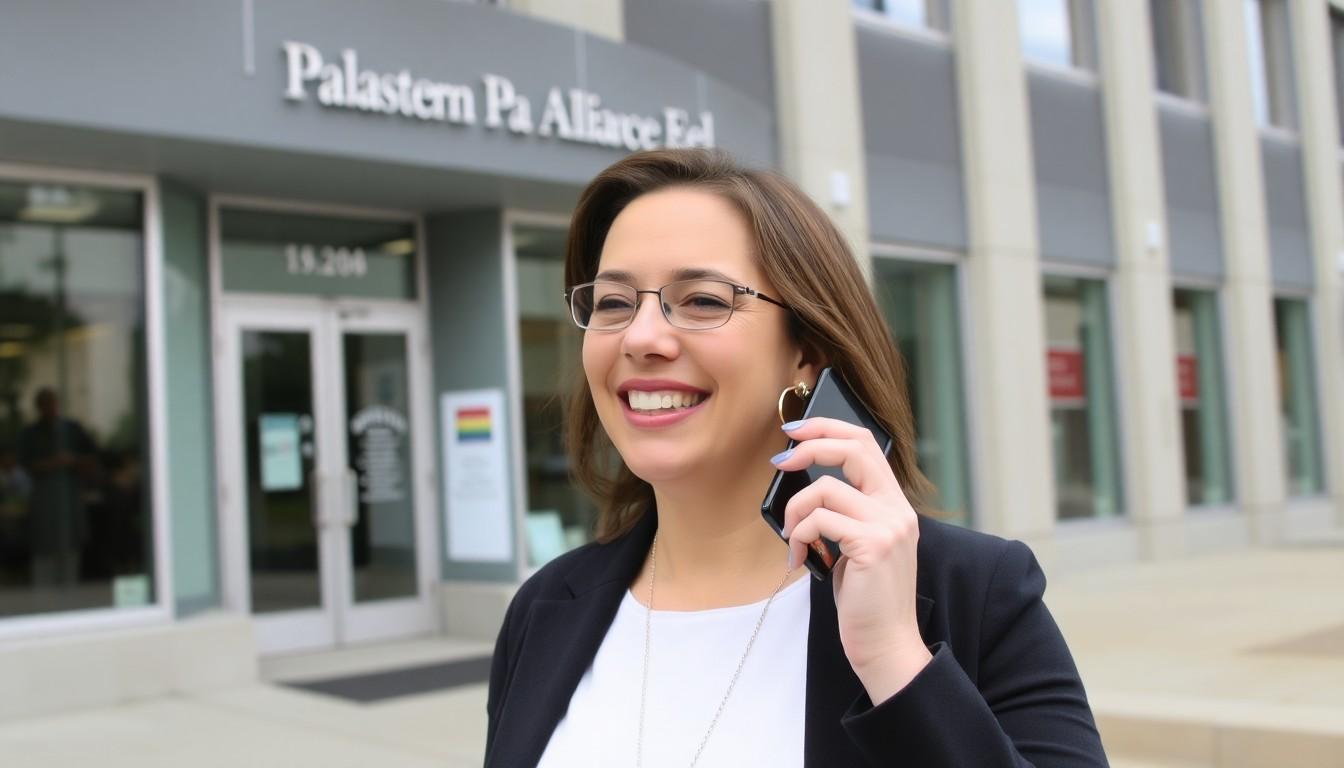
Shoppers and homeowners are noticing a clearer path to fair housing as the LGBTQ+ Real Estate Alliance expands , advocates, agents and local chapters are building community, resources and protections that matter when buying, selling or renting. Here’s what to know and how it helps LGBTQ+ people find discrimination-free housing.
Essential Takeaways
- Growing membership: Over 3,500 active members across real estate and housing industries, offering broad professional reach and networking.
- Local presence: 35 chapters in 26 states, including an active Eastern PA chapter led by Mon Kramer, making support more accessible and visible.
- Policy gap: Federal fair housing law still omits sexual orientation and gender identity, leaving legal discrimination possible in many states.
- Practical benefits: Members get referrals, advocacy tools, professional development and consumer-facing matches to LGBTQ+-friendly professionals.
- Visibility matters: Local chapters and listings help LGBTQ+ buyers, renters and sellers feel seen, supported and safer in transactions.
Why the Alliance matters right now
The Alliance feels like a practical lifeline for people who’ve long had to weigh whether a neighbourhood or agent will be welcoming. According to its leaders, the group was set up to make housing free of discrimination and to build bridges between LGBTQ+ consumers and trained professionals. That matters because, while some local rules protect LGBTQ+ people, federal law doesn’t yet include sexual orientation or gender identity as protected classes , a gap that leaves many transactions legally risky.
How membership translates into consumer help
Membership isn’t just a badge; it brings tools that consumers can actually use. The Alliance runs local chapters, referrals and events, and members get access to training and advocacy resources that sharpen their ability to spot and stop discrimination. For an individual house hunter, that means being able to find an agent who understands trans issues, same-sex couple concerns or the subtleties of name and document differences when applying for a mortgage.
Chapters bring visibility and local muscle
Local chapters are where the Alliance’s work becomes real and human. Chapters operate in dozens of places, including the Eastern PA chapter started by Mon Kramer, and they host meetups, trainings and outreach. These local groups help normalise asking for inclusive practices , landlords and lenders notice when a community expects fairness, and that pressure can change behaviour faster than distant policy fights.
Advocacy, policy and the uphill climb at federal level
The Alliance also pushes on rules and advocacy. They’ve campaigned around issues like fair housing protections and the rules that govern association political activity, while recognising the hard truth: without federal inclusion of sexual orientation and gender identity, 27 states still allow legal discrimination. So the strategy is twofold , win protections locally and equip members to fight or report discrimination when it happens.
Practical tips if you or someone you know is house hunting
Start by finding an Alliance member or chapter in your area to get referrals to LGBTQ+-aware agents and solicitors. Ask about training and experience with trans clients, joint ownership for non-married couples, and steps they take to protect privacy during listings. Document everything if you suspect discrimination , dates, emails, screenshots , and reach out to local chapter leaders for advocacy support or referrals to fair-housing resources.
It's a small change that can make every home search feel safer and more hopeful.
Source Reference Map
Story idea inspired by: [1]
Sources by paragraph: