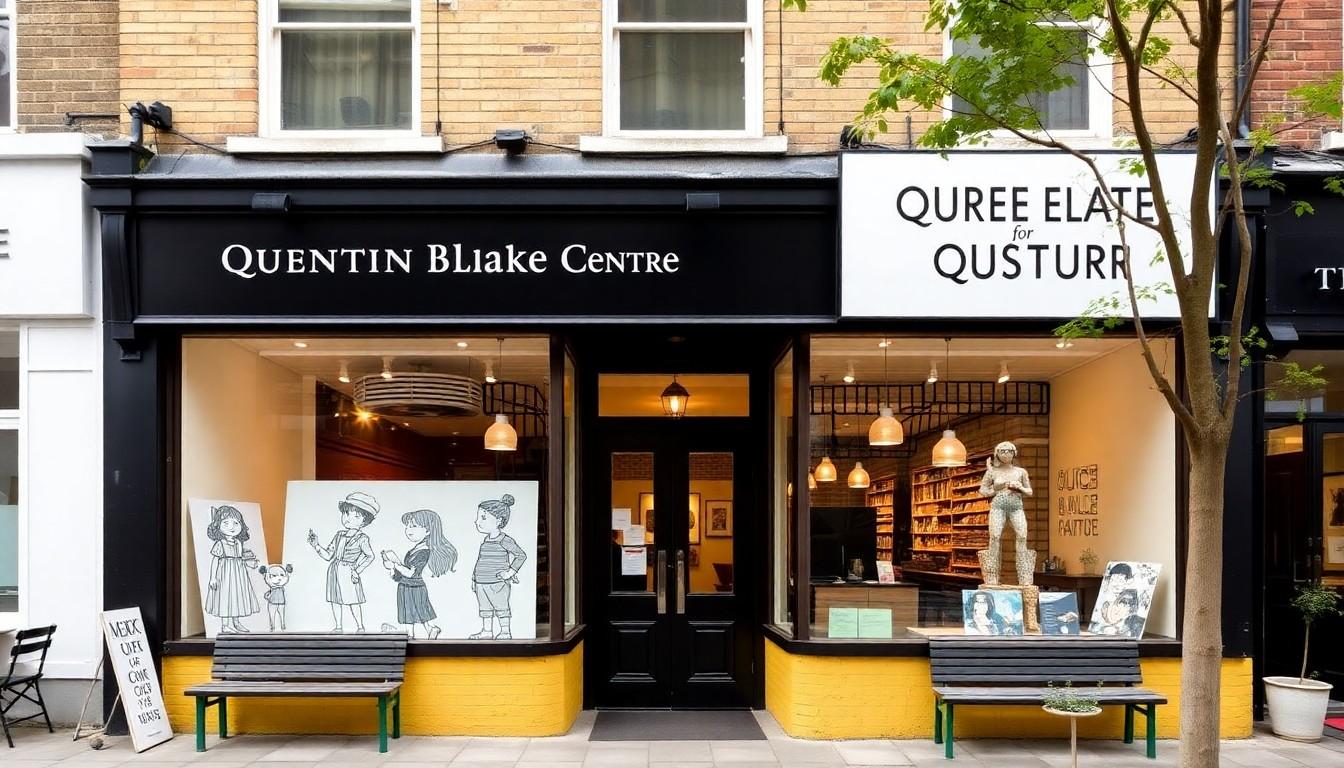
Shoppers and culture-seekers are flocking to Clerkenwell: the new Quentin Blake Centre for Illustration has opened with Queer as Comics, a lively, 80-year survey of LGBTQIA+ comics that matters for history, art and Pride. Expect rare originals, zines, satire, and new voices that show how comics have carried identity, humour and resistance.
Essential Takeaways
- When and where: The exhibition runs at the Quentin Blake Centre for Illustration in Clerkenwell from 5 June to 4 October 2026.
- Scope: Spanning the 1940s to today, it features over 60 artists with rarely displayed original drawings, strips, zines and webcomic work.
- Highlights: Early queer-coded mainstream strips by Tove Jansson, Tom of Finland’s pioneering comics, the UK’s first gay comic strip and the Brown Bomber , the first gay Black superhero.
- Feel: The show mixes nostalgic inked pages, gritty photocopied zines and bright contemporary panels , there’s a tactile, activist energy throughout.
- Practical: Many pieces are on display in the UK for the first time, so expect unique material and a chance to see intimate, rarely loaned works up close.
Why this exhibition feels urgent and celebratory
Start with a visceral detail: the hush that comes over a room when you see an original cartoon from the 1940s, the pencil marks still visible on the page. According to the Quentin Blake Centre for Illustration, Queer as Comics is the UK’s first major museum survey focused on queer comic-making, and it’s intentionally both historical and celebratory. Curator Paul Gravett frames comics as a subversive form that blends art and literature, perfect for telling queer stories under censorship and beyond.
The exhibition’s urgency comes from the way it links past survival strategies to today’s creative freedom. From underground comix to webcomics with global followings, visitors can trace how representation evolved , and why these works mattered as acts of defiance as well as delight.
What to expect: standout works and surprising firsts
You’ll see Tove Jansson’s 1954 Moomin strips that quietly placed queer-coded characters into a mainstream newspaper, side by side with Tom of Finland’s Initiation into the Brotherhood , audacious, erotic and produced at a time when homosexuality was criminalised. The display includes the UK’s first published gay comic strip by Dave Richards, and original pieces by Rupert Kinnard, Dietrich and many others whose work shaped scenes and politics.
Curatorial choices lean into variety: ink-on-paper originals, photocopied zines with a DIY smell, and bright modern graphic novels. That mix makes clear how form followed function , zines for community, strips for satire, novels for deep personal narratives.
How the show charts activism, politics and community in comics
Comics in the exhibition aren’t just cute drawings; they’re protest and community-building tools. The 1970s and 80s queer press used satire and urgency to fight discrimination, while works from the AIDS era and campaigns against Section 28 were explicitly political. According to press coverage around the opening, the exhibition includes works like Tom Robinson’s Living with the Big A and other protest collections that bear witness to both loss and resistance.
If you’re interested in the social history, look for sequences and captions that shift tone from humour to heartbreak , they’re small panels with big emotional reach, and they show how comics compressed complex debates into accessible, moving narratives.
Practical visiting tips and who will love it
Plan a relaxed 60–90 minute visit to give yourself time at key items; originals reward slow looking. The Quentin Blake Centre sits in Clerkenwell, newly reopened as a home for illustration, so combine the visit with a walk around nearby cafes and galleries. Families, comics fans, queer communities and students of design will all find something to admire, and casual visitors often remark on the warmth and immediacy of the work.
If you collect zines or small-press comics, make time for the contemporary section: it’s a good place to discover self-published creators and webcomic names that might be on your reading list next month.
Why this matters beyond Pride Month
This exhibition isn’t just seasonal programming , it’s a corrective to mainstream art history. By showing 80 years of queer comics, the Centre is acknowledging how illustration has documented lives often left out of gallery walls. As comics continue to influence TV, film and online narratives, seeing the originals is a reminder of how ideas and styles migrate across media.
So go for the rare pieces, stay for the connections between panels and people, and come away with a refreshed sense of how small, hand-made works helped change big stories.
It's a small change that can make every panel feel like a reclaimed piece of history.
Source Reference Map
Story idea inspired by: [1]
Sources by paragraph: