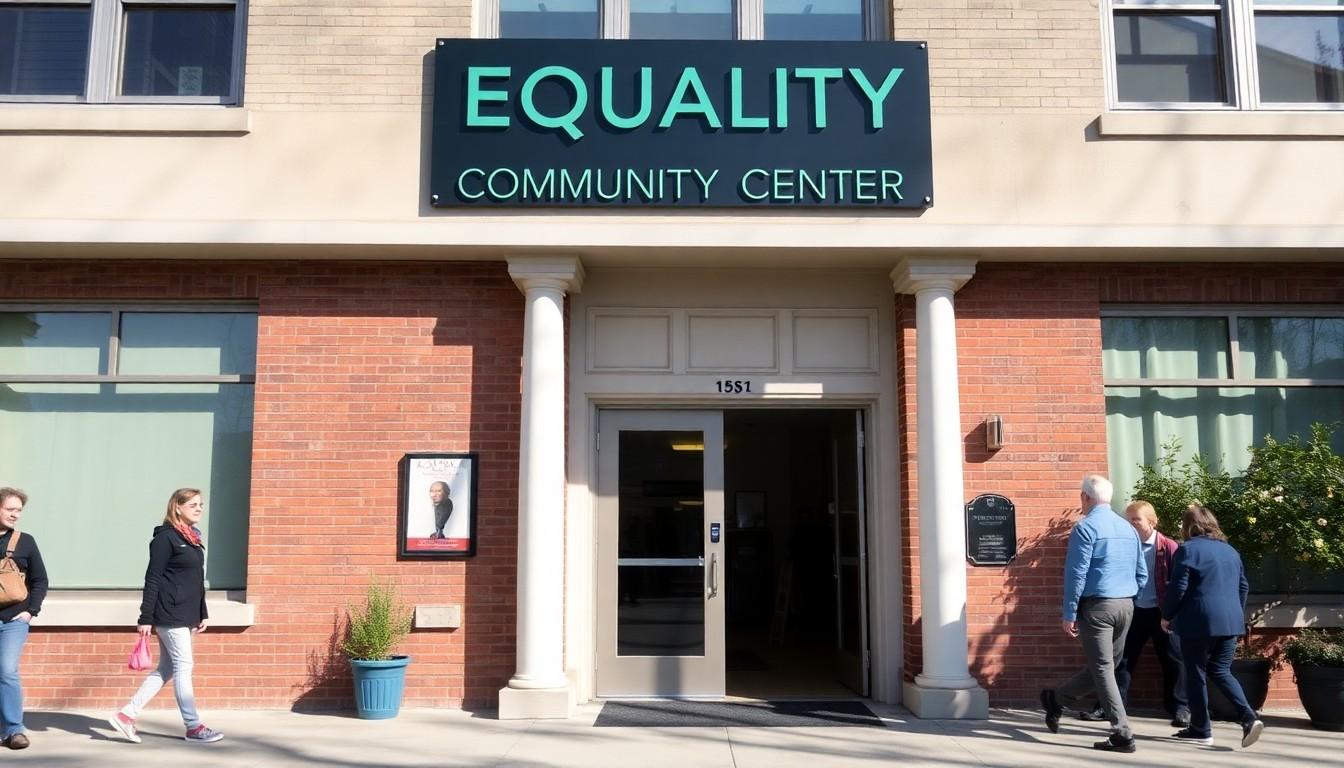
Shoppers and supporters turned out as Portland’s Equality Community Center hosted what organisers called Maine’s first LGBTQ+ blood drive, a colourful Pride Month event that marked a shift in federal donor rules and opened doors for more people to give lifesaving blood.
Essential takeaways
- Historic first: The Equality Community Center organised what organisers described as Maine’s first LGBTQ+ blood drive during Pride Month, complete with rainbow decorations and community energy.
- Policy change matters: Federal screening reforms now favour individual risk assessment over sexual-orientation questions, widening eligibility for many long-excluded donors.
- Personal moments: Longtime advocate donors and staff described the day as emotional , some are donating for the first time after decades of restrictions.
- Practical benefit: Organisers stressed blood can’t be manufactured, so opening the donor pool helps hospital supplies and emergencies.
- Friendly vibe: The event aimed to reduce anxiety about donating with a welcoming space and reassurance , “you don’t have to look,” as one attendee joked.
A bright, local celebration with a serious purpose
The drive felt more like a block party than a clinic, with streamers, Pride flags and people chatting in a sunlit room. That warmth mattered: donating blood can be a nervous experience, and organisers wanted the space to feel safe for LGBTQ+ donors. According to local coverage, the Equality Community Center hosted the event to mark both Pride and the practical shift in who can now give.
The visual cheer and gentle humour , a donor telling newcomers “you don’t have to look” , helped turn an administrative change into something people could participate in. For the wider community, it was an accessible way to show support and help hospitals at the same time.
Why the rules now let more people give
Federal guidelines have moved away from blanket questions about sexual orientation and towards individual risk-based screening. That’s a meaningful change: it removes blanket barriers that, for decades, excluded many gay and bisexual men from donating. Organisers at the drive highlighted that this makes more people eligible to help meet hospital demand.
Practical point: eligibility still depends on individual risk factors and recent behaviours, so potential donors should check current guidance before queuing up. But the policy shift is broadly welcomed by advocates as a step towards equity.
Real stories make the change human
Several attendees shared how the event hit them personally. The Equality Community Center’s executive director recalled being turned away decades ago and said he was donating for the first time in nearly 30 years. Another long-term donor said she never imagined this possibility 44 years ago.
Those moments matter because they turn policy into lived experience. They also help attract new donors: seeing someone you know giving blood , especially after a long exclusion , makes it feel doable and meaningful.
What this means for Maine’s blood supply
Organisers stressed the practical truth: blood can’t be manufactured, and demand is constant. By welcoming a broader group of donors, drives like this can bolster reserves for surgeries, trauma care and chronic treatments. The drive also doubled as outreach: teaching people what to expect, how to prepare and when to come back.
If you’re considering donating, bring ID, hydrate well, eat beforehand and check eligibility online. Community-centred events often offer a calmer first experience than large, anonymous drives, which can be a good confidence boost.
How to find or support inclusive drives locally
Keep an eye on community centre notices and local LGBTQ+ groups for future drives. These events combine advocacy and service: they raise both blood and awareness. They’re also an easy way to support organisations like the Equality Community Center while helping your local hospitals.
Consider going with a friend if you’re nervous; many donors find it’s easier when someone they trust is nearby. And if you can’t donate, volunteering or sharing information about drives helps just as much.
It's a small change that can make every donation feel more inclusive and every supply line a little steadier.
Source Reference Map
Story idea inspired by: [1]
Sources by paragraph: