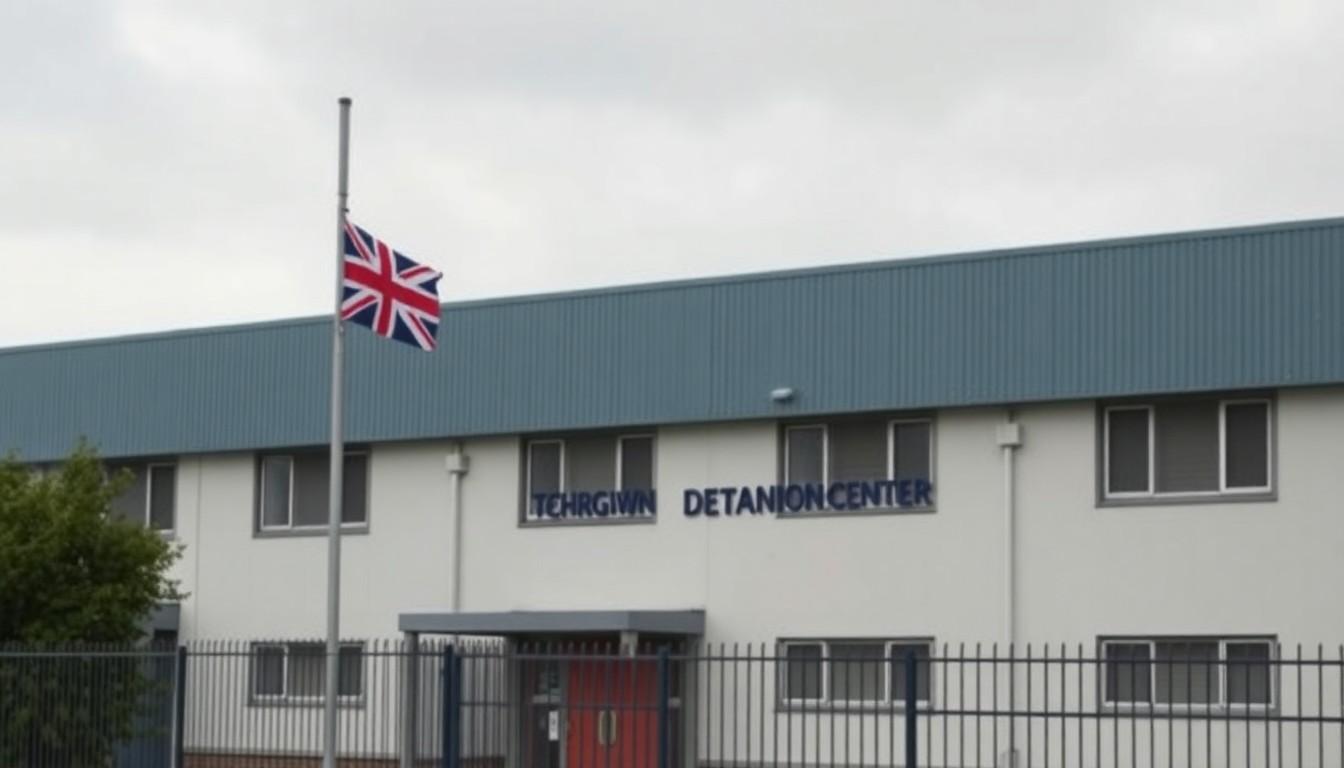
Shoppers are starting to notice there’s more to Pride than floats , activists are pushing a quieter, urgent story about LGBTQ people held in immigration detention in the UK and beyond, and why that matters for anyone who cares about safety, dignity and asylum.
Essential Takeaways
- Campaign focus: Rainbow Migration’s “There Is No Pride in Detention” highlights LGBTQ people detained in UK immigration custody, often in prison-like, indefinite conditions that cause trauma and isolation.
- Comparative risk: UK detention practices are criticised but generally less overtly brutal than documented U.S. ICE abuses, which include medical neglect, violence and forced labour.
- High-profile cases: The deportation of Venezuelan gay makeup artist Andry Hernández raised alarm about mistreatment and questionable gang-affiliation claims.
- Practical worry: Visa restrictions and tightened asylum pathways leave vulnerable people , including queer Afghan women , blocked from routes to safety.
- What you can do: Support advocacy groups, sign campaign petitions, and push local Pride organisers to centre refugee and detainee rights this Pride season.
Why this campaign feels different right now
The opening fact is simple and uncomfortable: Pride doesn’t mean much behind bars, and activists are using the month to spotlight that gap. Rainbow Migration launched “There Is No Pride in Detention” to draw attention to LGBTQ people held in UK immigration centres in prison-like conditions and sometimes for indefinite periods. The campaign is visual and blunt on purpose, because the reality inside detention , isolation, ongoing trauma , erases the celebratory language of June. Supporters say the campaign reframes Pride from brand-friendly gestures to concrete human rights demands.
How the UK compares to the U.S. , a personal, painful contrast
There’s a comparative thread here that matters. British policing and immigration systems have their own problems, but commentators note a different tone and practice from the U.S. Immigration and Customs Enforcement. ICE has been documented in multiple reports for brutality, neglect and abusive conditions in detention settings, including transphobic and homophobic harassment. Cases from the States have shown a pattern of mistreatment that activists fear could spread if hardline policies gain traction , something to watch as politics shift in both countries.
When individual cases expose system-wide failures
High-profile stories put a human face on otherwise abstract policy debates. The case of Andry José Hernández Romero, a Venezuelan gay makeup artist detained by ICE and deported amid disputed gang-affiliation allegations, prompted calls for investigation and welfare checks from US lawmakers and advocates. His story, and others showing forced labour or sexual violence in facilities, makes it harder to see detention as a neutral administrative measure. It’s a reminder that paperwork and labels can mask very real threats to queer people’s safety.
Visa rules and policy changes that shut doors on safety
Beyond detention itself, shifting visa rules and entry restrictions are another frontline. New Home Office limitations and other tightened pathways mean that some of the most vulnerable people are blocked from reaching safety in the first place , notably Afghan women for whom study or work visas once provided lifelines. Campaigners argue you can’t fix the trauma of detention without also reopening and protecting routes to safe refuge.
What activists and allies are doing , and how you can help
Campaigns like “There Is No Pride in Detention” combine storytelling, petitions and practical support for detainees. Organisations are asking Pride organisers and councils to move beyond symbolic gestures and centre refugees and detainees in programming. If you want to act, join or donate to specialist groups, sign open letters, and press local councils to fund legal help for asylum seekers. Even small steps , amplifying testimony, attending a campaign event, or asking your MP to question detention practices , make a difference.
It's a small change that can make every Pride more than a logo.
Source Reference Map
Story idea inspired by: [1]
Sources by paragraph: