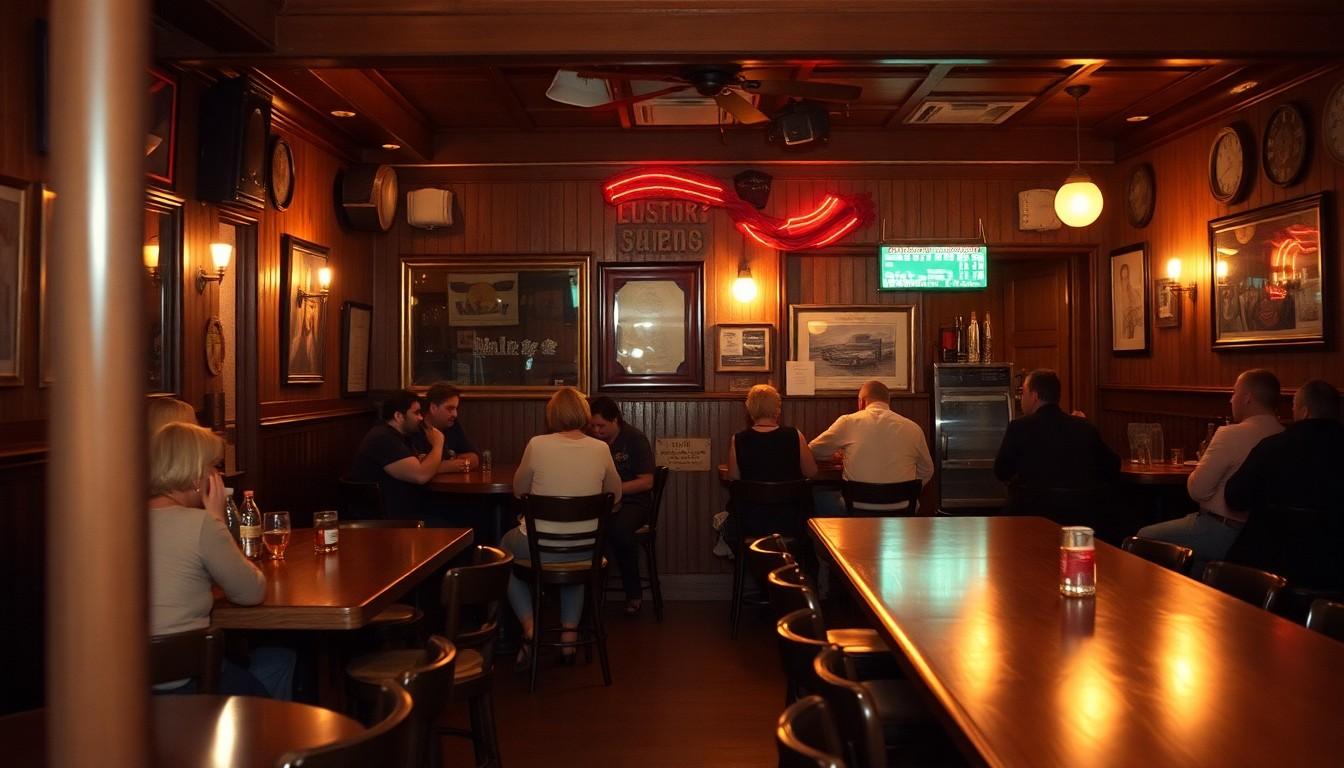
Shoppers are turning to intimate queer stories again, film students at Purchase College have made a small, powerful documentary about lesbian bars and why they still matter for belonging, discovery and queer history. It follows six women across generations and asks what we lose if these vital spaces vanish.
Essential Takeaways
- Local focus: The film was made at Purchase College by Valentina Quintero with producer Sophia Kamensky, capturing a student-driven perspective and hands-on energy.
- Generational lens: Six subjects aged 18–72 give both oral history and fresh-first-time-bar nervousness, so viewers feel continuity and change.
- Fewer bars: The filmmakers note a shrinking number of lesbian bars in the US, numbers cited dropped from 38 to 36 during production, making the film timely.
- Live community beat: Subjects emphasise in-person spaces for the unique energy of queer gatherings, online groups help, but rooms full of people are different.
- In post-production: The documentary is not yet released; follow the filmmakers on Instagram for updates and screenings.
A student-made film with a big heart
Quintero’s project began the way many great ideas do, with a personal jolt. As a newly out college student hoping to celebrate Pride, she expected to find a lesbian bar and instead found she didn’t feel seen. That quiet disappointment pushed her to explore why those spaces are rare and why they matter. The film has a tactile feel, you can almost hear conversations and feel the nervous excitement of walking into a new room, and that intimacy is its selling point.
Why lesbian bars feel different from other queer venues
There’s a long-running assumption that gay bars and lesbian bars serve the same crowd, but attendees and historians disagree. Lesbian bars have traditionally offered a safer, women-centred environment where queer women could meet, organise and be visible without navigating male-dominated social scenes. Historically, according to accounts collected in oral histories, these venues were lifelines: loftier in memory, but crucial in practice. The documentary leans on that distinction, showing why replacement by generic queer spaces isn’t the same.
The worrying trend: fewer bars, more questions
Industry-watchers and reporters have tracked a decline in dedicated lesbian bars for years. Coverage from outlets and local reporting noted a steep fall from historical highs to just a few dozen nationwide. Quintero’s team found the number dipped even during their shoot, which underlines the fragility of these venues. If you care about preserving specialised queer spaces, they suggest supporting local venues, go early, bring friends, consider fundraising nights or buying merch.
How the film stitches past and present together
We Are Not Unicorns gives older women the floor to tell their stories, how they navigated secrecy, coded signalling and selective introductions, alongside very young women experiencing their first lesbian bar. That contrast makes for emotional viewing: the elders offer hard-won perspective, while the new generation brings electric, hopeful energy. It’s a neat reminder that cultural continuity isn’t automatic; it needs spaces to live in.
Practical takeaways for queer students and allies
If you’re heading to college and curious about finding queer community, the film reinforces a few simple moves: ask peers, check local listings, join campus groups and, when possible, visit dedicated women’s spaces. For allies wanting to help, the easiest gestures count, show up, tip, share events, and amplify small venues on social media. The documentary’s creators also encourage following their progress online to spot screenings and community conversations.
It's a small film with a clear mission: to remind viewers that physical spaces shape queer lives in ways algorithms can’t replicate.
Source Reference Map
Story idea inspired by: [1]
Sources by paragraph: