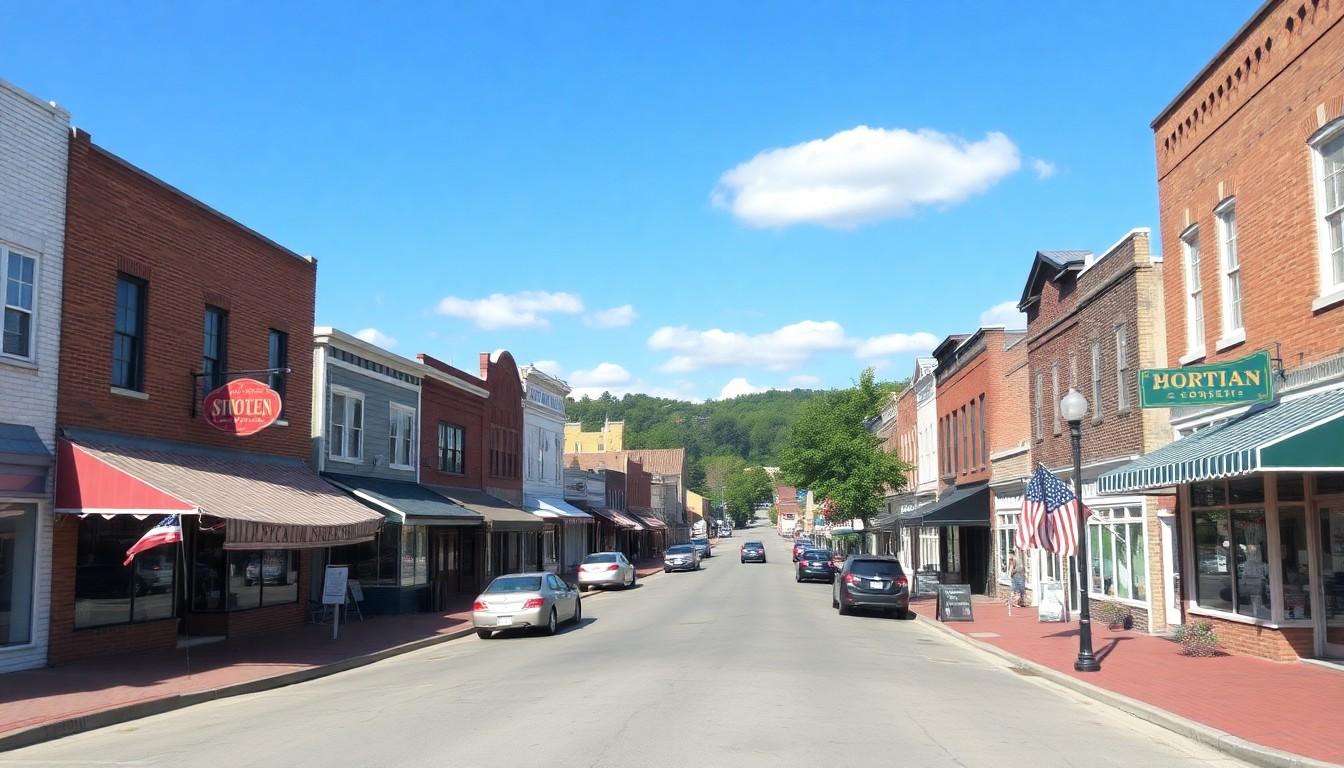
Shoppers and neighbours are rallying behind a tiny but determined Pride in Corbin, Kentucky , where organisers say community support, careful planning and mutual aid are keeping a threatened rural Pride alive and visible. Here’s what’s happening, why it matters, and what other small events can learn.
Essential Takeaways
- Local history matters: Corbin’s legacy as a sundown town shapes reactions and raises real safety concerns for LGBTQ+ events.
- Small turnout, big impact: Corbin Pride typically draws 100–150 people and creates rare safe space in a conservative area.
- Threats aren’t just online: Organisers report harassment, hacked accounts and rumours that white nationalists might target the event.
- Community support helps: Offers of aid from regional organisers and volunteers have persuaded the lead organiser to continue.
- Practical shift: The event is moving toward a committee model and mutual-aid organising to distribute labour and risk.
Why Corbin’s past still shapes present-day Pride
Corbin carries a heavy, visible history: once a sundown town that violently expelled Black residents in 1919, it’s a place where memories of exclusion linger. That context explains why an online tip about white nationalists planning to target Pride was taken seriously, not shrugged off. Readers should picture a small town with a quiet, watchful atmosphere; those historical echoes make any threat feel heavier.
Local groups such as the Sunup Initiative and recent commemorations of the 1919 expulsions show people have been trying to reckon with that past. According to regional reporting, these efforts have helped create networks that can be tapped now for support. For organisers in similar places, acknowledging history isn’t just symbolic , it frames security planning and community outreach.
Why one organiser almost cancelled , and why she didn’t
Rebecca Chastain, who runs Corbin Pride, admitted she nearly pulled the plug after hearing rumours that white nationalist groups intended to “remind” the town who it belonged to. Burnout was already real: year two brought hacked social accounts, death threats and the slog of organising largely alone. That combination made cancelling feel like a responsible choice.
Instead, a surprising reaction arrived: offers of help from across the state, from Louisville and Lexington activists to other Pride organisers. That outreach changed the calculus. It’s a reminder that organisers under threat often need more than physical security; they need labour, visible solidarity and backup for emotional load. If you’re planning a local event, don’t underestimate how early outreach to regional allies can be a safety strategy.
What Corbin Pride looks like , tiny, practical, vital
Corbin Pride runs as a few hours of drag performances, HIV screenings, and LGBTQ+ vendors. It’s small, but its value is outsized in a place where visible queer spaces are rare. For participants, the sensory details matter: the friendly buzz of conversations, the sight of a Pride flag in public, the quiet relief of a free health check.
Events of this scale can be organised on modest budgets, but they depend on volunteers and goodwill. Chastain’s pivot to forming a committee and accepting offers of help is a practical lesson: distribute tasks, share responsibility for safety, and recruit people for specific roles like gatekeeping, first aid and social-media monitoring.
How organisers plan for threats without shutting down community
Safety planning doesn’t have to mean militarisation. Corbin’s approach , publicising concerns honestly, inviting support, and building a committee , channels transparency into resilience. Local health services providing HIV screening, and vendors creating a visible, normalising presence, also help reframe the event as civic and health-focused, not merely a political provocation.
Organisers elsewhere should prepare flexible responses: clear communication with attendees, designated volunteers for de-escalation, rapid social-media backups to guard against hacks, and relationships with local media and allied groups who can show up if needed. Those practical steps reduce the chance that a rumour or a single threat becomes a cancellation.
The wider trend: solidarity across rural Pride events
Corbin’s story is part of a larger pattern: rural Pride events are multiplying, and with them come heightened risks in conservative areas and coordinated political backlash nationally. Yet regional cooperation , sharing volunteers, advice and moral support , is emerging as a counterweight. As one organiser put it, building mutual aid is the first line of defence.
Looking ahead, the shift from solo organising to committee-led events suggests sustainability. When people share the workload, events are likelier to survive threats and burnout. That matters not just for Corbin but for any small town where visibility is itself an act of community building.
It’s a small change that can make every Pride safer and more sustainable.
Source Reference Map
Story idea inspired by: [1]
Sources by paragraph: