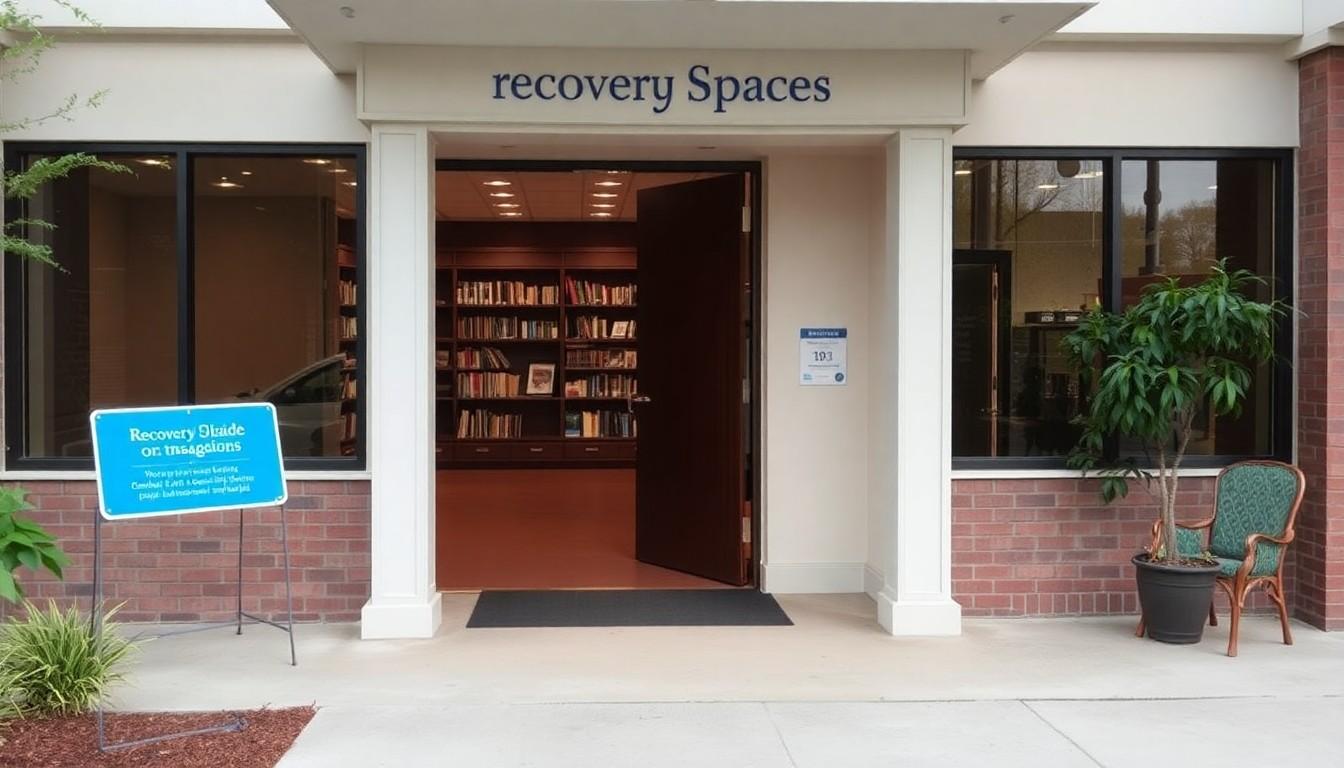
Shoppers are turning to care that fits identity and need , LGBTQ+ people deserve recovery spaces that feel safe, respectful and practical. This guide looks at why inclusive recovery matters, how Medication-Assisted Treatment (MAT) can help, and what to look for when choosing an affirming programme near you.
Essential takeaways
- Evidence-based option: MAT combines medications and medical support to reduce cravings and withdrawal; it's recommended by health authorities and works alongside therapy.
- Affirming environment: Respectful, person-centred care and confidentiality make people more likely to engage and stay in treatment.
- Practical MAT choices: Monthly injectable options such as Vivitrol, Brixadi and Sublocade remove the need for daily dosing and can feel stabilising.
- Community wraparound: Peer support, sober homes and LGBTQ+ centres help with social connection, housing and identity-affirming recovery.
- Location matters: Look for programmes with trained staff, clear anti-discrimination policies and easy access to medical follow-up.
Why inclusive recovery spaces change outcomes
If you’ve ever felt judged in a waiting room, you know how quickly trust can evaporate; recovery works the same way. Research and public health guidance show that when services are welcoming and non-stigmatising, people engage more, keep appointments and complete treatment plans. According to federal health guidance, medication-supported care is a core tool for opioid use disorder, but its benefits are amplified when delivered in an affirming setting. So a clinic that respects pronouns, understands family rejection dynamics and offers confidentiality can make a measurable difference.
Medication-Assisted Treatment: what it does and who it helps
MAT uses FDA-approved medications alongside medical supervision to manage cravings and withdrawal, giving people breathing room to work on other parts of recovery. Health agencies outline these treatments as effective components of care; options include monthly injectables that take the pressure off daily pill routines. For many LGBTQ+ people, a long-acting medication can be freeing , less worry about being outed, fewer pharmacy visits and a steadier platform for therapy and life changes. That said, MAT is one tool among many, best used with counselling, peer support and practical services.
What an affirming programme looks like in practice
An affirming recovery centre blends clinical competence with simple human courtesies: staff who use correct names and pronouns, privacy protections that feel real, and treatment plans tailored to each person’s goals. Organisations that specialise in LGBTQ+ recovery or partner with local queer centres offer culturally aware peer groups and transitional housing with built-in support. When evaluating a provider, ask about staff training in LGBTQ+ issues, anti-discrimination policies, and whether they coordinate with community resources like sober homes or LGBTQ+ wellness centres.
Practical tips for choosing the right service
Start local and practical. Look for clinics that offer MAT options you prefer , if monthly injectables appeal, check availability of Vivitrol, Brixadi or Sublocade , and confirm follow-up care and emergency plans. Ask whether staff have LGBTQ+ cultural competency training and whether there are gender-affirming referrals if needed. Visit the site if you can; a short wait, a respectful intake process and a calm physical space tell you a lot. Finally, connect with peer-run organisations or sober housing that advertise LGBTQ+ inclusion to build a social safety net during early recovery.
Community support and housing: the quieter essentials
Medicine and counselling matter, but recovery is also social. LGBTQ+-friendly sober homes, peer-run recovery groups and queer community centres provide the everyday acceptance that clinics can’t fully replicate. These services tackle isolation, provide practical help with housing or paperwork, and normalise recovery among people with shared experiences. Centres that combine medical treatment with community links tend to report better retention and more sustained stability, which is exactly what lasting recovery needs.
It's a small change that can make every step feel safer.
Source Reference Map
Story idea inspired by: [1]
Sources by paragraph: