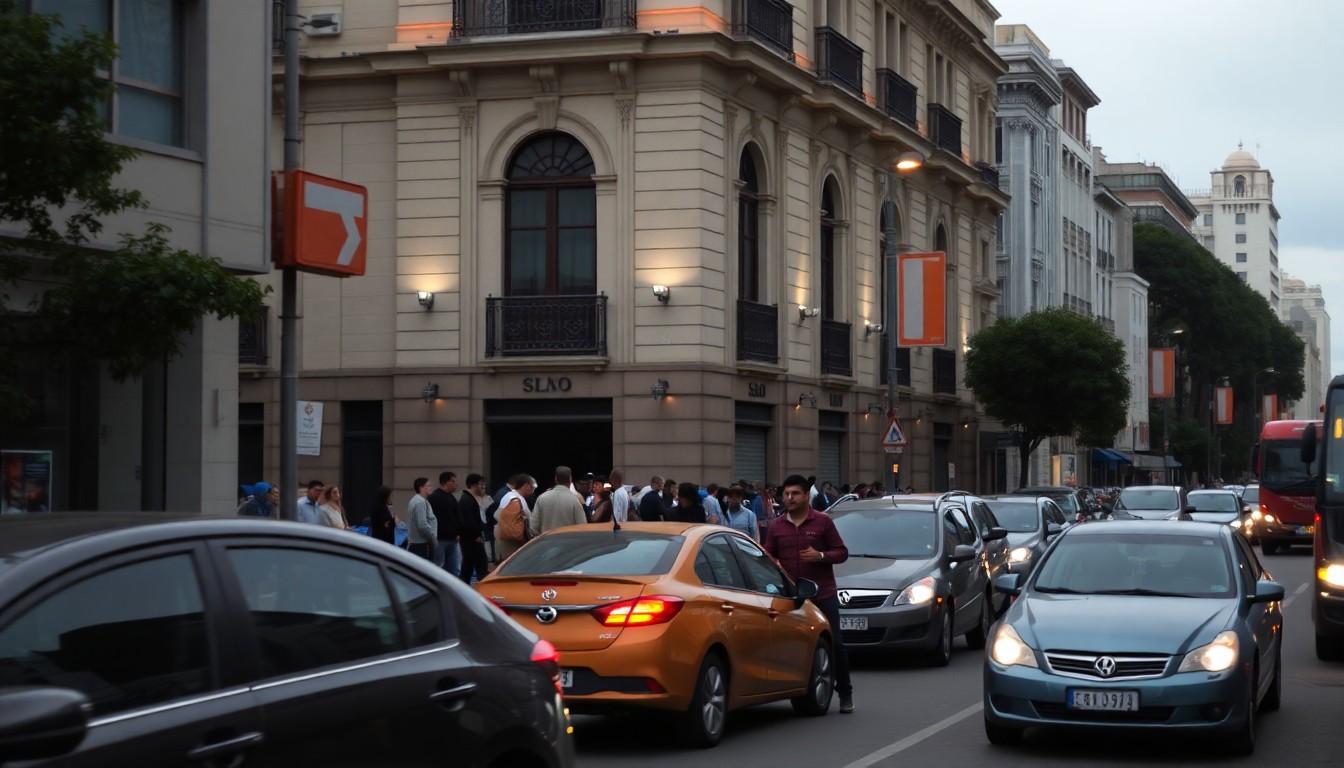
Watch for temporary road closures in central Lima this Saturday , the Municipality of Lima has laid out a special traffic plan for the Pride March on 27 June, affecting Jesús María and Cercado de Lima to keep pedestrians safe and reduce disruption for drivers.
- When: Saturday 27 June, during the scheduled Pride march in central Lima.
- Key closures: De La Peruanidad (start), Óvalo Jorge Chávez, Guzmán Blanco, Plaza Bolognesi, Alfonso Ugarte, Nicolás de Piérola, Garcilaso de la Vega and 28 de Julio.
- How closures work: Temporary and progressive , roads will be shut as the procession advances to facilitate movement and limit congestion.
- Who’s managing it: Municipalidad Metropolitana de Lima coordinating with the Policía Nacional to deploy detours and on‑street guidance.
- Practical feel: Expect busy foot traffic, occasional loud music and colourful crowds; drivers should allow extra travel time and follow signage.
What the closure plan actually looks like
The most immediate fact is simple: the march starts on Avenida De La Peruanidad and follows a loop through some of Lima’s busiest central arteries. That means both motorists and pedestrians will encounter pockets of closure rather than one blanket shutdown. The municipality says closures will be progressive, so you might be able to pass earlier in the day but not once the march reaches a given stretch. Wear comfortable shoes if you’re on foot , the atmosphere is usually vibrant and loud.
Why the city is choosing temporary, rolling closures
The town hall’s approach aims to balance public order with the right to assemble. Rolling closures keep the march moving and reduce the length of time any single avenue is blocked. According to municipal releases, staff from the Gerencia de Movilidad Urbana will work alongside the national police to set detours and direct both drivers and pedestrians. That coordinated approach tends to reduce gridlock compared with full-day street shutdowns, though it still requires patience from commuters.
Which routes to avoid and alternative planning
If you usually travel through Jesús María or the Cercado, plan another route for the day. The official route includes major spines such as Alfonso Ugarte and Garcilaso de la Vega, so public buses and taxis will be affected. Use apps for live updates, leave earlier than usual, and consider switching to the metro for longer hops where possible. Local media and municipal channels typically push diversion maps on the morning of the event, so check them before you leave.
Safety, enforcement and what to expect on the ground
Expect a visible police presence and municipal staff at key junctions to guide traffic and pedestrians. The aim is to protect participants and keep traffic flowing elsewhere. For drivers, follow officers’ instructions and the posted detours; for pedestrians, stick to authorised march routes and crossings. Organisers and authorities say these steps are about safety and civility , and most years the mood on site is celebratory rather than confrontational.
How this fits into wider patterns of city planning
Temporary restrictions for large demonstrations are now standard practice in Lima, whether for sporting events or protests. The municipality has used similar plans for other major mobilisations and large events, and recently declared measures to manage the metropolitan road system for months at a time. That institutional experience helps limit surprises, but the public still needs to plan ahead. If you live nearby, expect noise, colour and a bit of delay on the 27th.
It's a small inconvenience that pays off in safety and spectacle , plan ahead and enjoy the march if you go.
Source Reference Map
Story idea inspired by: [1]
Sources by paragraph: