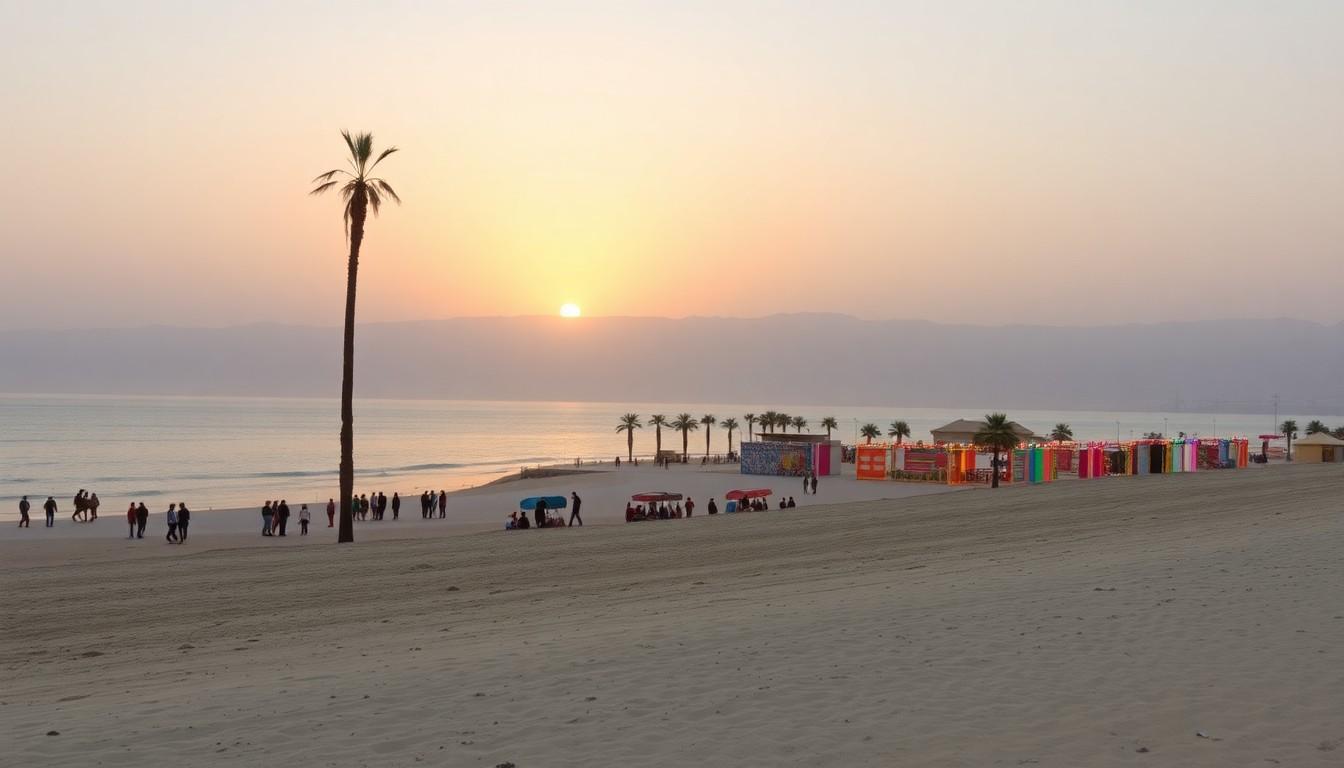
Shoppers, tourists and community members are turning their eyes to the Dead Sea this June as Israel stages Pride Land, a four-day LGBTQ+ festival billed as the Middle East’s largest ever , here’s what’s happening, who’s involved, and why it matters for visitors, locals and critics alike.
Essential Takeaways
- Event scale: Pride Land is a four-day festival at the Dead Sea from 1–4 June, aiming to create a multigenerational “Pride City” with nonstop events and programming.
- Location vibe: Expect stark desert scenery and dramatic salt-flat views paired with colourful stages, installations and nightlife , the contrast is part of the draw.
- Contested reactions: The announcement has prompted celebration, logistical planning and sharp criticism from religious and conservative groups locally and abroad.
- Practical tips: Book accommodation early, pack sun protection and salt-safe footwear, and check transport options , the Dead Sea is remote and temperatures will be high.
- Cultural note: For visitors, Pride Land is both a party and a political statement in a region where large-scale LGBTQ+ gatherings are rare.
What Pride Land actually is , the basics and the buzz
Pride Land is being presented as a four-day festival that will transform a stretch of the Judean Desert into a temporary pride city, with music, performances and community programming. The announcement has been carried widely, with organisers and travel platforms outlining stages, family-friendly zones and daytime activities. The visual contrast , neon flags against a mineral-white shoreline , has captured people’s imaginations and fuelled headlines.
Organisers say they intend the event to be multigenerational and more than a party, with spaces for community building and cultural exchange. Travel listings and local reporting highlight food zones, art installations and beach-based events that make the most of the Dead Sea setting. For many attendees it’s the novelty of a major pride festival in such an extreme landscape that’s the selling point.
Why the Dead Sea? The practical and symbolic reasons
The Dead Sea offers dramatic scenery and name recognition, which helps market the event internationally. From a logistics point of view it’s also a location where organisers can build a contained site with staged entertainment, camping and visitor infrastructure. But it’s remote, hot and saline , not the easiest place for a sprawling festival , so planning has to be meticulous.
Symbolically, the choice has triggered intense reaction because of the biblical associations of the region. That’s created a stubborn mix of tourism opportunity and cultural controversy that the publicity machine has leaned into. If you’re going, prepare for bright sun, strong reflections off the salt crust and the need for robust hydration and shade.
Reactions: celebration, politics and protest
Responses have been mixed. Many in Israel’s LGBTQ+ community and international visitors have welcomed the scale and ambition of Pride Land as a milestone for visibility and safe public gathering. Travel outlets and festival listings frame it as a landmark moment for the region’s queer scene.
At the same time, religious commentators and conservative outlets have denounced the choice of site and the festival’s message, invoking scripture and moral objections. That backlash has turned the festival into a cultural flashpoint, with both supporters and critics using the event to make broader political statements. Expect demonstrations and heated commentary alongside celebrations.
Planning your trip: tips for visitors and the curious
If you’re thinking of going, book early , accommodation near the Dead Sea fills fast and organised festival camping can sell out. Check official festival pages and travel platforms for transport links; some organisers may run shuttles from Jerusalem, Tel Aviv or airports. Bring sun protection, a hat, sturdy sandals that tolerate salt, and sealed water bottles , the heat and salt environment are relentless.
Consider the tone you want: Pride Land mixes partying with community programming, so look at line-ups and daytime schedules before you buy tickets. And be aware of local sensitivities; while many attendees will be welcoming, the event’s contentious nature means protesters or counter-events are possible in nearby towns.
Looking ahead: what this festival might mean for the region
Pride Land could mark a turning point for public LGBTQ+ visibility in the Middle East, or it could simply be a high-profile one-off that amplifies existing tensions , perhaps both. Large-scale, highly visible events change conversations, but they also invite scrutiny and resistance. For many locals and visitors the festival will be a chance to connect and celebrate; for others it will crystallise political and religious disagreements.
Either way, the Dead Sea’s stark beauty will provide a vivid backdrop. Whether you’re going to join the dancing, document the moment, or watch from afar, it’s likely to be one of the most talked-about gatherings of the summer.
It's a striking, complicated moment , and for those planning to attend, a little preparation will go a long way.
Source Reference Map
Story idea inspired by: [1]
Sources by paragraph: