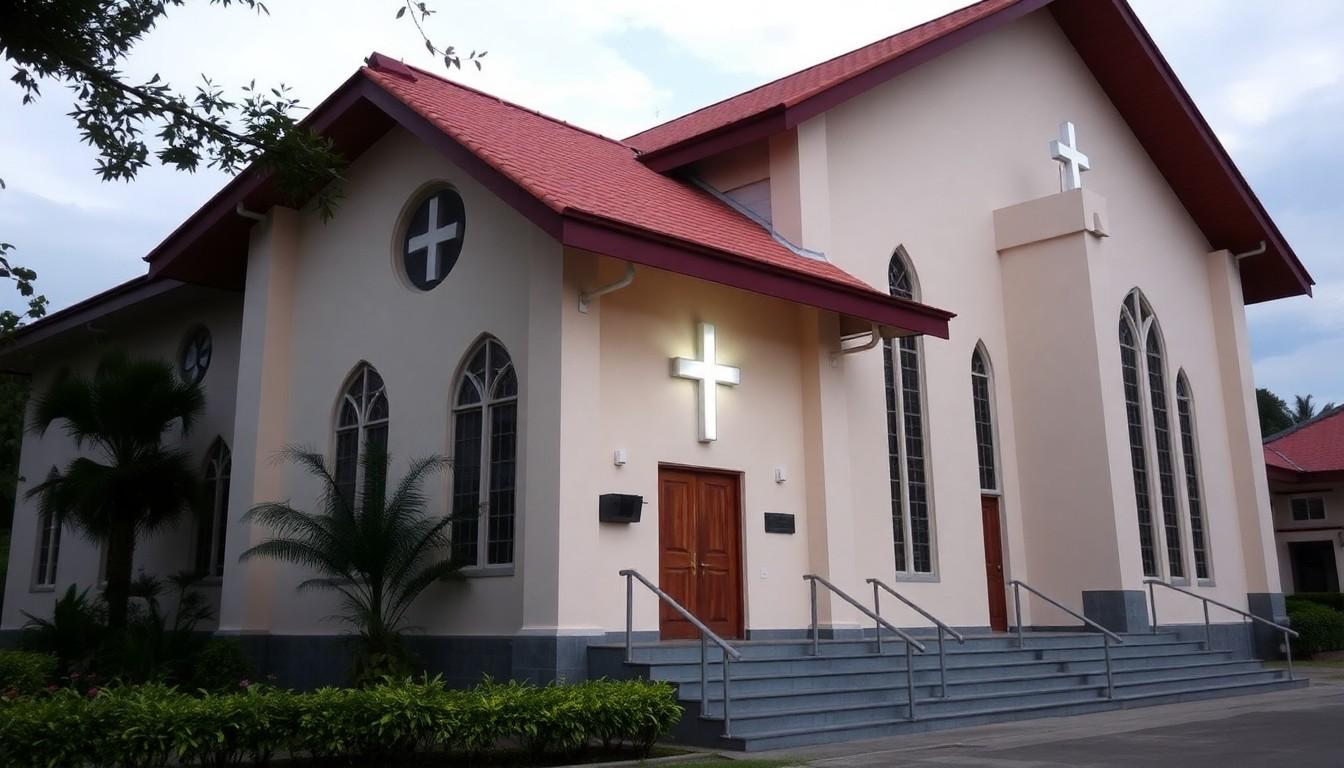
Shoppers of headlines have noticed a lively intersection of faith and Pride: drag artist Pura Luka Vega joined worshippers at Open Table Metropolitan Community Church in Cebu to celebrate and serve communion, a symbolic act that matters because it reframes sacred rituals as inclusive and public.
Essential Takeaways
- What happened: Pura Luka Vega participated in serving communion at Open Table MCC, a progressive, LGBTQIA+-affirming church in Cebu.
- Why it matters: The act is framed as reclaiming sacred space for queer and marginalised people, turning a central sacrament into a message of belonging.
- Public reaction: The event has sparked conversation across communities, following previous controversies involving the performer.
- Atmosphere: The church described the gathering as celebratory and welcoming, with a warm, communal feel.
A striking image: drag and devotion in the same frame
Open Table MCC posted that the day was “very special,” with Pura Luka Vega helping to serve the Eucharist , a visual that’s both intimate and bold. That mix of theatrical presence and quiet ritual gives the moment a textured feel: the soft clink of chalices beside the bright colours of drag makes for memorable imagery. According to local reports, the church invited the artist as part of its Pride activities, signalling a deliberate embrace of queer identity within worship.
Why a progressive church is reclaiming the Eucharist
Open Table describes itself as a progressive Christian community open to LGBTQIA+ people, and leaders say serving communion together is a way of reclaiming religious space for those often excluded. This is more than symbolism for many congregants; it’s a practical affirmation that the sacraments are offered to everyone. For people who’ve felt shut out of traditional churches, moments like this feel restorative , simple, human, and, for some, transformative.
Backlash, debate and the wider context
Pura Luka Vega’s involvement comes against a backdrop of controversy: the performer has previously provoked strong reactions in parts of the Philippines, and some church bodies have labelled certain performances blasphemous. Those tensions help explain why this event has attracted attention beyond the local congregation. Media coverage shows a split between those celebrating inclusion and those who see sacred rites as off-limits to political or performative expression.
What this means for Pride and faith spaces
Across the world, a handful of congregations are experimenting with how liturgy and LGBT+ visibility can coexist. Open Table’s move reflects a broader trend where churches and chapels reimagine rituals as welcoming rather than gatekeeping. For LGBTQIA+ worshippers, inclusive Eucharists answer a practical question , where do I belong? , as much as a theological one. If you’re curious about attending something similar, check a church’s stated beliefs and visitor guidance first so you know what to expect.
Practical takeaways for readers watching the debate
If you’re following the story, note three things: this was a local church event framed as celebratory, it’s part of a larger conversation about religion and queer visibility, and reactions will vary widely across communities. For those considering whether to attend inclusive services, ask about the congregation’s approach to liturgy and pastoral care , and go with an open mind.
It's a small change in ritual that’s making a big statement about who belongs at the table.
Source Reference Map
Story idea inspired by: [1]
Sources by paragraph: