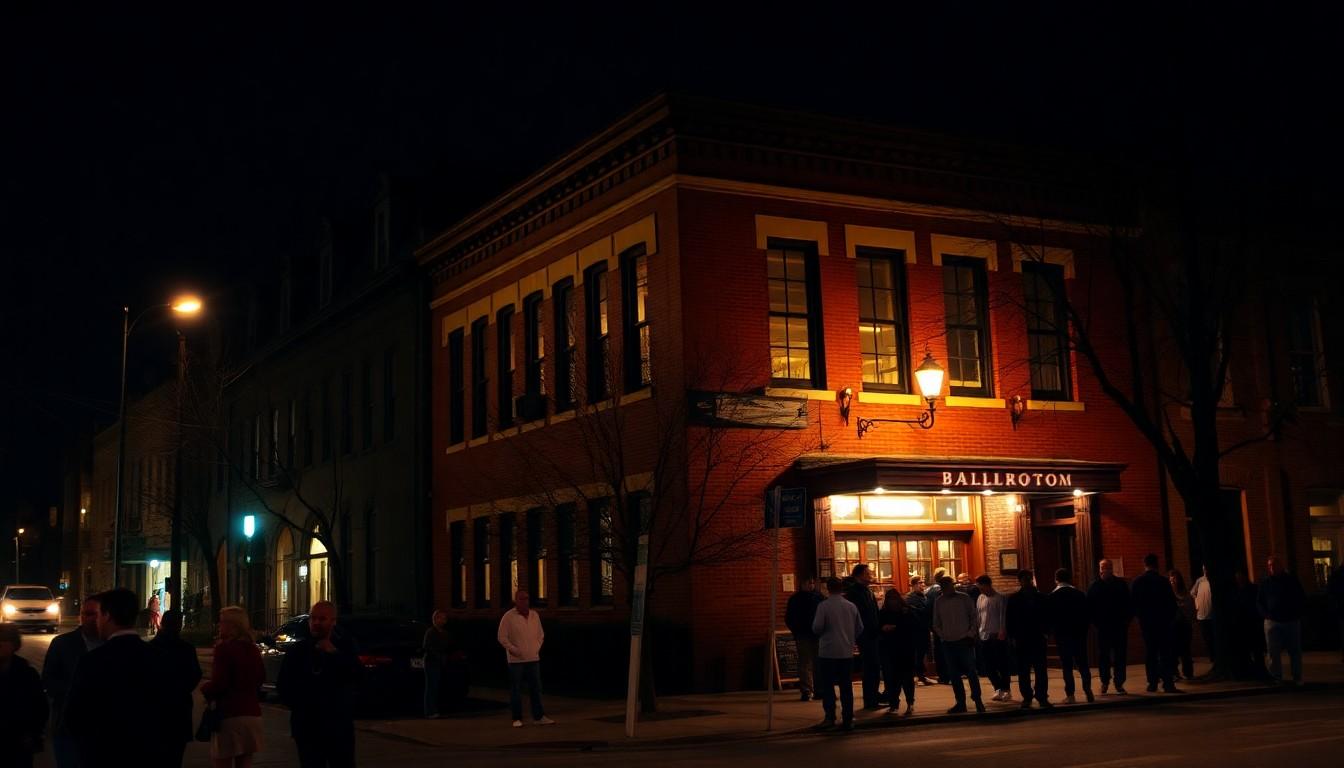
Shoppers and spectators are flocking to re-emerging ballroom events, where Black and Latino LGBTQ+ communities reclaim joy, fashion and safety in places like Washington’s Shaw , and remind everyone that voguing, walk-ins and fierce categories are about survival as much as style.
Essential Takeaways
- Living tradition: Ballroom culture grew from Black and Latino queer communities creating safe spaces and chosen families after being ostracised.
- Sensory spectacle: Expect loud music, dramatic voguing, death drops and high-shine costumes that smell faintly of hairspray and stage glue.
- Community purpose: Balls function as celebration, political statement and mutual aid , trophies often come with cash and recognition.
- Local roots matter: Holding events in historic neighbourhoods like Shaw keeps cultural memory alive amid gentrification.
- Mainstream influence: Beyoncé, Pose and fashion runways borrow ballroom language, but the authentic scene remains community-led and grassroots.
A party that started as shelter and became culture
The ballroom scene began as a refuge , a place Black and Latino queer people built when mainstream society shut them out. Historians note that drag balls and house systems formed as chosen families providing mentorship, shelter and celebration. That backstory still hums under the music: when a competitor vogues down the floor you feel a century of resilience in the movement and the choreography. For anyone new to balls, thinking of them as both performance and mutual aid helps you see why they’re more than dazzling outfits.
Shaw’s revival: why location still matters
Bringing a ball to Washington’s Shaw isn’t just convenient, it’s symbolic. Shaw was once a cultural hub for Black life in the city and many organisers argue that keeping ballroom events in such neighbourhoods preserves history against the tide of gentrification. Local venues host walk-ins and runway moments that connect tonight’s performers with elders who started Pride conversations years ago. If you attend, notice the interplay between the modern, futuristic looks and the site’s layered past , it’s intentional and powerful.
Houses, mothers and chosen families: how the scene supports people
Ballroom houses act like families, with "mothers" and "fathers" guiding younger members through creative challenges and life hardships. These structures offer emotional support, career mentoring and sometimes even housing help. Judges award trophies and cash prizes, but the real prize is the network: people leave with mentors, friends and increased visibility. For anyone considering joining or supporting a house, remember it’s first about care, then performance.
When performance becomes protest
Balls have always doubled as protest. Categories and runway themes can serve as commentary against anti-LGBTQ legislation or racial injustice, transforming choreography into a form of resistance. Performers use costume and movement to assert presence , a line of voguing bodies is a public statement that you can’t erase them. Expect shows to feel celebratory and defiant at once; organisers often amplify messages about equity and reparative justice between rounds.
Mainstream spotlight and the risk of simplification
Mainstream culture borrows ballroom aesthetics , from chart-topping musicians to television dramas , and that exposure has helped widen interest. But there’s a risk the scene’s deep communal roots get flattened into a trend. Authentic events emphasise lineage, mentorship and political context, whereas commercial takes sometimes focus only on spectacle. If you’re curious, go to a community-run ball or talk to house members; you’ll get the fuller picture beyond the glossy highlight reel.
How to enjoy and support a ball respectfully
If you’re attending your first ball, come prepared: arrive early, dress to engage with the theme, and clap loudly , the audience is part of the performance. Don’t film people without permission, especially moments that are personal or vulnerable. Consider donating to houses or sponsoring prizes; small cash awards make a real difference. And if a house offers to teach you a walk or basic vogue, say yes , the scene rewards participation.
It's a small change to your weekend but a big nod to communities that built dancefloors into lifelines.
Source Reference Map
Story idea inspired by: [1]
Sources by paragraph: