Shoppers and sightseers will find more than history near the Colosseum this June: Walk With Pride turns Via di San Giovanni in Laterano into a lively Gay Street stage. The six-day festival of talks, concerts and drag nights spotlights culture, transgender rights and open debate , and it matters for a more visible, varied LGBTQIA+ Rome.
Essential Takeaways
- When and where: Walk With Pride runs 16–21 June on Via di San Giovanni in Laterano, a stone’s throw from the Colosseum.
- Big names: Vladimir Luxuria opens the week; guests include Imma Battaglia, Priscilla and Francesco Sarcina with Le Vibrazioni.
- Dialogue focus: A high-profile 17 June talk brings together Francesca Pascale and representatives from Famiglie Arcobaleno and the Movimento 5 Stelle.
- Trans visibility: Programming pays special attention to transgender people, with panels and lived-experience voices included.
- Vibe and variety: Expect talks, concerts, drag competitions and awards , a mix that feels celebratory and civic at once.
A bold weekend where history meets nightlife
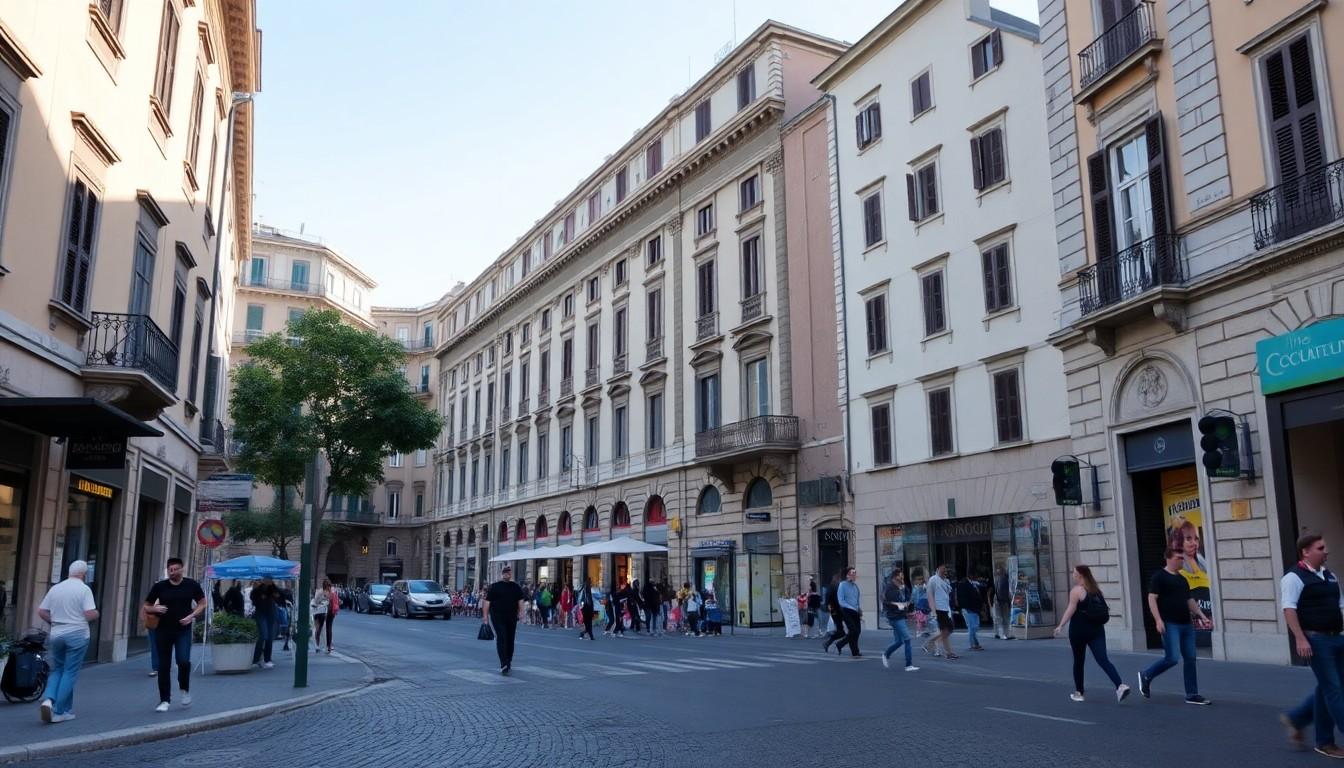
Walk With Pride lands in one of Rome’s most atmospheric streets, where ancient stones meet neon signs and late-night chatter. The choice of Via di San Giovanni in Laterano is deliberate: organisers want a Pride that is visible across the city, not confined to a parade route. That sense of place gives the week a warm, lived-in feel , you can smell espresso, hear rehearsals, and feel the city noticing. According to organisers, the Gay Street has long been a homebase for Rome’s LGBTQIA+ scene, which makes it an ideal stage for events that aim to be both cultural and political.
Conversation on stage: why the 17 June talk is grabbing headlines
The event that’s sparked most discussion pits Francesca Pascale, a co-founder of Gay Conservatives and Liberals, against figures from Famiglie Arcobaleno and the Movimento 5 Stelle. It’s a deliberate choice by director Ezio Cristo to include divergent voices rather than close them out. Cristo told reporters he sees censorship as anathema to community life, and wants a platform where rights are debated, not silenced. For visitors, this means attending a session that could be tense and illuminating , bring patience, expect sparks, and remember it’s framed as dialogue rather than endorsement.
Stars, music and drag: the entertainment that keeps people coming
The festival mixes serious talk with pop energy. Highlights include a concert by Francesco Sarcina and Le Vibrazioni and a drag contest celebrating Italian performance culture. There are awards for activists, book presentations and late-night shows , a programme that reads like a week-long neighbourhood festival, only louder and prouder. If you’re planning to go, check schedules in advance: headline acts will likely draw crowds, so arrive early if you want a front-row spot or just a good photo angle near the Colosseum.
Centre-stage for transgender voices
Organisers gave special weight to trans issues this year, naming Vladimir Luxuria as madrina to underline that focus. Cristo has said the transgender debate is often sidelined in public conversation, so the festival includes panels where trans people speak for themselves rather than being talked about. That shift from representation to direct participation matters: it changes tone, deepens understanding and makes the programme feel more like a community listening space. If you care about nuance in activism, these sessions are the ones to prioritise.
Where Walk With Pride fits in Rome’s Pride season
Walk With Pride sits in the run-up to the city’s main Roma Pride on 20 June, and organisers are clear they don’t want to be an opposing event. Instead, they pitch the week as an alternative programme that stretches Pride across the city , a diffuse approach that lets different neighbourhoods host their own moments. Tourism and events guides list both the festival and the Pride parade as complementary draws, so you can plan a full weekend: a daytime talk on Gay Street, an evening concert, and a Sunday march if you fancy joining the crowds.
It's a small change that can make every conversation and every performance feel part of a bigger, more inclusive city moment.
Source Reference Map
Story idea inspired by: [1]
Sources by paragraph: