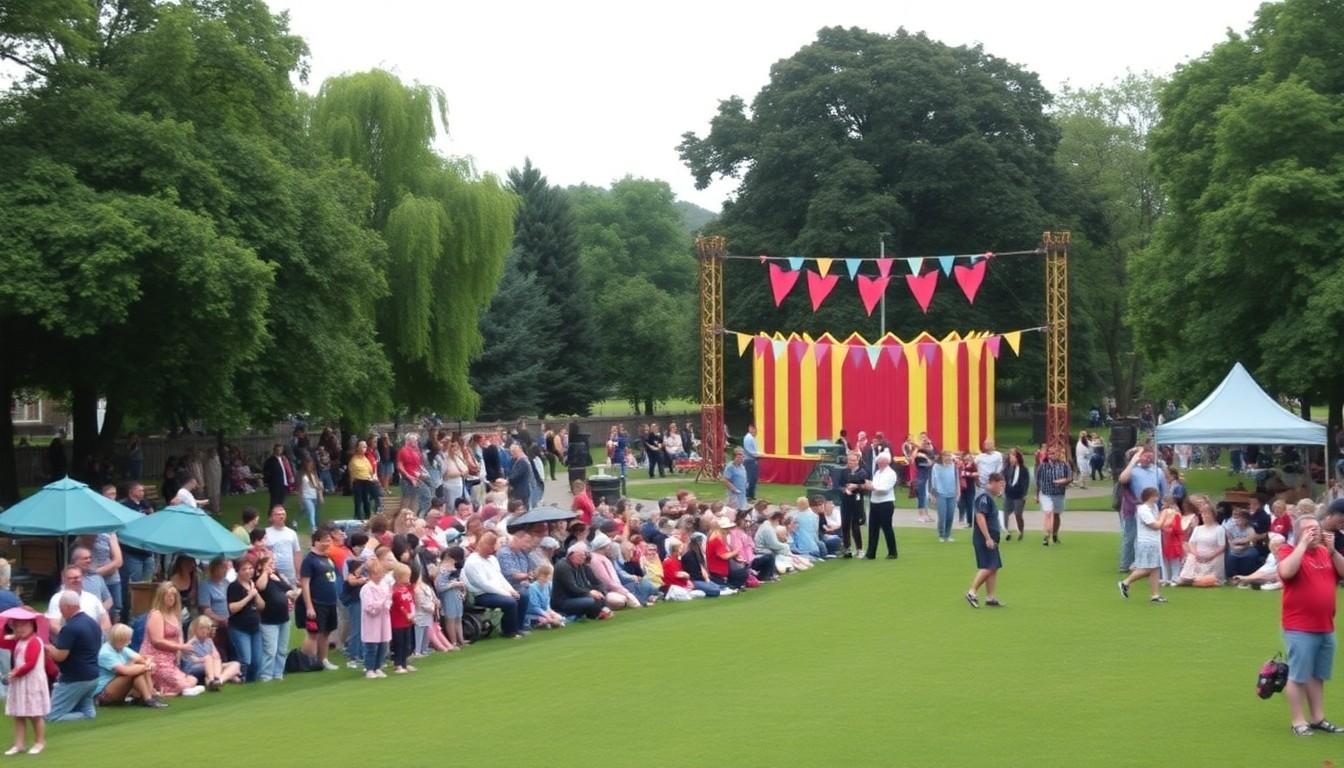
Shoppers, families and queer communities turned out in force as Salford’s volunteer-led Pink Picnic marked its 15th year in Peel Park, bringing headline acts, local talent and a reminder that Pride is both party and protest , a community moment that matters for visibility, solidarity and local culture.
Essential Takeaways
- Big turnout: Thousands attended Peel Park for Salford’s fifteenth Pink Picnic, mixing visitors from Salford, Greater Manchester and beyond.
- Star-studded lineup: Headliners included Boney M, Big Brovaz & Booty Luv, and Baby D, alongside local artists and DJs.
- Community at the core: A YouthZone, Expo Area and Salford 100 Wagon Train stage kept grassroots voices front and centre.
- Volunteer-powered: The event is organised by Salford Pride volunteers and backed by sponsors and grants, keeping it free and accessible.
- Supporters on board: Kellogg’s, Autotrader and Salix Homes were key sponsors, with grant funding from The National Lottery Community Fund and local partners.
A vibrant return to Peel Park , and it felt like a city coming together
The atmosphere in Peel Park was bright, loud and joyous, with music drifting across the lawns and colour everywhere you looked. According to event organisers, thousands turned up to celebrate a milestone year for Salford Pride, and you could tell it mattered , parents, students, older residents and young people all sharing the same space. This was Pride as a proper public gathering: visual, noisy and very human.
Salford Pride has grown steadily since 2011, evolving from a neighbourhood meet-up into Greater Manchester’s largest grassroots Pride celebration. That growth shows how local energy, persistence and volunteer time can build something that becomes part of civic life. For visitors picking a Pride to attend, the Pink Picnic now ranks as both accessible and characterful.
Headliners and grassroots acts , big names alongside local stars
The main stage mixed crowd-pleasing performers with fresh, local talent: Boney M and Baby D gave sing-along moments, while community acts like Miss Chief Cabaret and Tallulah Guard kept the event rooted. Event hosts and DJs added continuity, and the result was a programme that honoured both spectacle and community-level creativity.
Festival organisers say keeping local artists visible matters, not least because it keeps Pride responsive to its own community. If you’re choosing a Pride to support, look for events that balance headline acts with a healthy platform for emerging voices , that’s where the scene stays alive.
Salford 100 Wagon Train stage , local culture with a civic pulse
This year’s inclusion of the Salford 100 Wagon Train stage brought an especially local flavour, tying the Pink Picnic into the city’s wider centenary cultural programme. Produced by Walk the Plank, the Wagon Train created a creative space for neighbourhood groups and performers to share the spotlight, which made the event feel like more than just a one-day party.
Partnerships like this show how Pride can plug into civic celebrations without losing its own identity. For community organisers elsewhere, it’s a neat example of how to weave Pride into a city’s cultural calendar while preserving grassroots energy.
Accessibility, engagement and the market feel , Pride as a community hub
Beyond performers, the park hosted an Expo Area, market stalls and a YouthZone, making the event feel intentionally inclusive and useful. Local charities, small businesses and support organisations were present, so visitors could browse, meet volunteers or pick up resources as easily as they could grab a hot drink. That accessibility is part of why volunteer-run Prides continue to thrive.
If you’re attending a community Pride, plan for comfort: bring water, sun protection or a lightweight chair, and check the programme for quieter zones if you need a break from the crowds. Events that prioritise accessibility tend to be more welcoming for families and first-time attendees.
Money, volunteers and the politics of Pride , celebration that remembers protest
While the day leaned heavily into fun, organisers and speakers were keen to remind people that Pride began as protest. The Pink Picnic remains volunteer-led, with sponsorship from Kellogg’s, Autotrader and Salix Homes and grants from The National Lottery Community Fund among others helping keep the event free and sustainable. That mix of volunteer passion and institutional support is what makes large-scale grassroots events possible.
It’s a useful reminder for anyone who cares about community events: sustainable funding and strong volunteer networks are a practical necessity, not a distraction from the message. As Salford Pride moves forward, organisers say they want to keep that balance between celebration and activism.
It's a small change that can make every celebration more meaningful.
Source Reference Map
Story idea inspired by: [1]
Sources by paragraph: