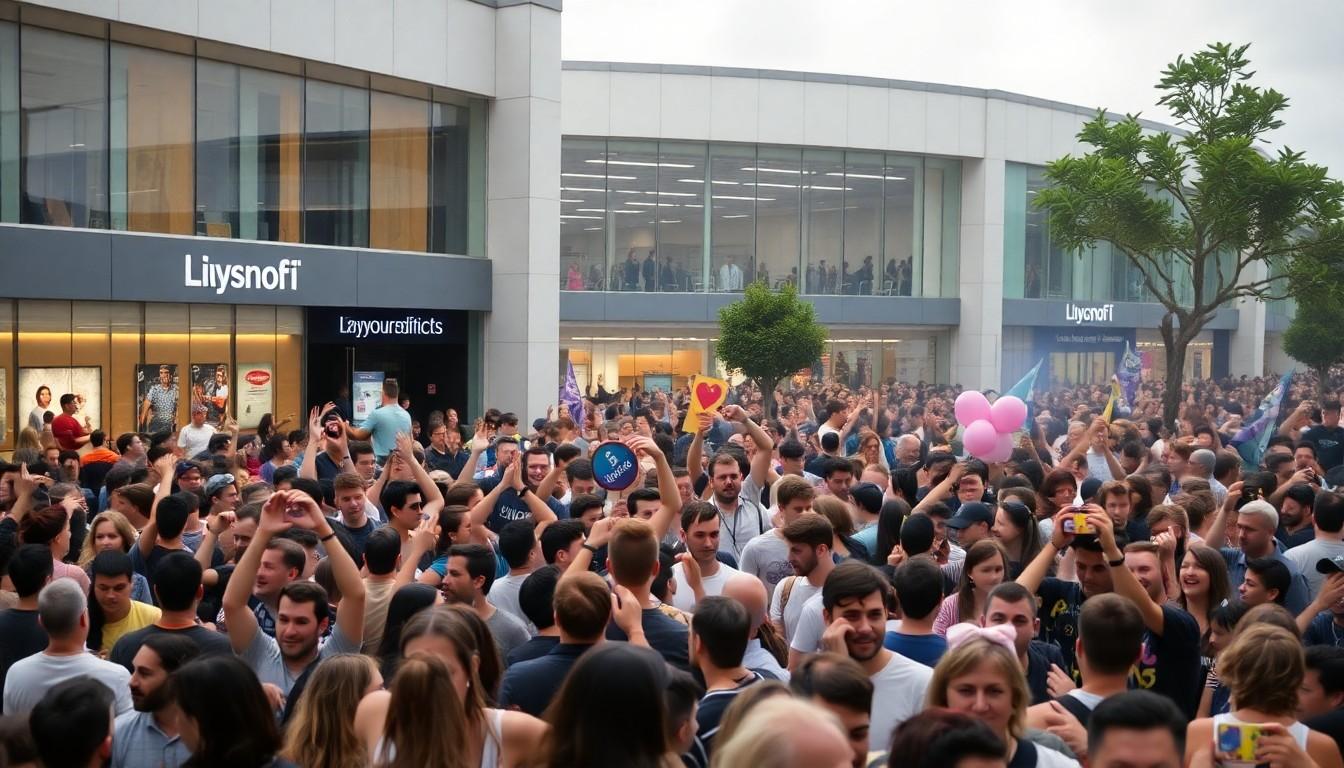
Shoppers and students alike turned their eyes to Araneta City as Quezon City staged “Graduation Rights: A March for LGBTQIA+ Graduates” on 11 June, a colourful, heartening ceremony that honoured more than 200 queer graduates sidelined by restrictive school rules , and showed why inclusive graduations matter.
Essential Takeaways
- Community turnout: Over 200 LGBTQIA+ graduates joined the third annual Graduation Rights event, creating a lively, supportive atmosphere.
- New venue, bigger visibility: The ceremony moved to Araneta City’s Quantum Skyview at Gateway Mall 2, marking the first time the march was held outside Quezon City Hall Complex.
- Breaking dress-code barriers: The event specifically recognised students who couldn’t fully participate in their own commencements due to dress codes or identity-related restrictions.
- Practical vibe: The celebration mixed formal recognition with a joyful street-march feel , easy to join, celebratory, and visibly affirming.
- Local backing: City organisers and advocacy groups helped stage the rites, signalling growing municipal support for queer-inclusive policies.
A bright new backdrop for a familiar fight
The strongest image from the 11 June event was the venue itself: the Quantum Skyview at Gateway Mall 2, glittering above Araneta City as graduates in rainbow stoles and customised regalia posed and laughed. Moving the ceremony out of the city hall complex gave the march fresh visibility in a bustling commercial hub, and organisers told local outlets the change was deliberate , they wanted the celebration to feel open and public rather than tucked away. For parents and friends, the setting made the moment feel more like a proper social celebration than a protest, while still carrying a clear policy message about inclusion.
Why Graduation Rights exists , and why it still matters
Graduation Rights grew out of complaints that some students were excluded from traditional commencement rites because of dress codes, gendered uniform rules, or assumptions about sexual orientation and gender expression. According to local reports, this was the third year Quezon City held the ceremony, and organisers framed it as both a corrective ritual and a public statement: everyone deserves a day to be recognised as their authentic self. That dual purpose , celebration plus advocacy , is what keeps people coming back, and why the march attracts not just graduates but allies, advocates, and media attention.
How the march balances ceremony and celebration
Practically speaking, Graduation Rights is part-commencement, part-parade. There are formal moments , names called, photos taken, speeches offered , and there are informal ones: music, improvised fashion shows, and group photos that feel like keepsakes. Coverage suggests the event is intentionally low-barrier: graduates can wear whatever reflects them, whether that’s traditional gown tweaks, rainbow accents, or fully personalised outfits. If you’re thinking of organising or attending a similar event, the takeaway is simple: make space for dignity and for joy, and plan logistics , sound, procession route, and photo spots , so the day runs smoothly.
What the move to Araneta City signals about local support
Hosting the ceremony in a high-profile, commercial venue like Araneta City signals growing mainstream acceptance. Reports from local news outlets and municipal pages show the city government collaborating with community groups to stage the event, which helps normalise queer visibility in civic life. It’s a modest but meaningful shift: when a celebration like this happens where shoppers and commuters can see it, it pushes conversations about school policies and everyday inclusion into public view. Expect more such events to appear in familiar public spaces if momentum continues.
Choosing celebration over exclusion: practical pointers
If you’re a graduate who missed your school ceremony, or an organiser planning a similar rite, a few simple tips help keep the day memorable. Pick a visible, accessible venue so friends and family can attend easily. Make clear guidelines about safety and route planning if you include a march. Offer photo backdrops and an official photographer so graduates leave with keepsakes. Finally, partner with local NGOs or city offices for logistical support and to amplify the message about inclusive policies.
It's a small change that can make every graduate's day feel recognised and real.
Source Reference Map
Story idea inspired by: [1]
Sources by paragraph: