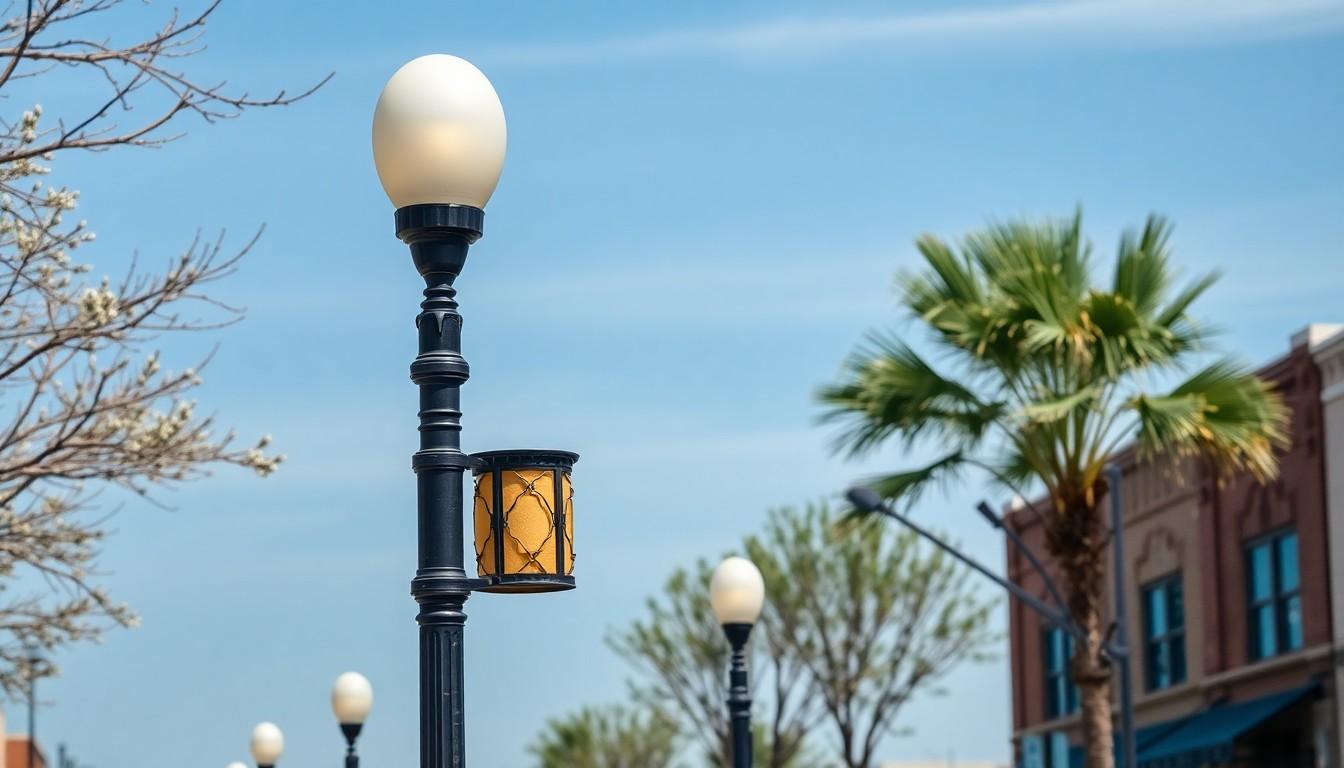
Shoppers are noticing a new kind of Pride on city streets: when rainbow crosswalks were banned in Texas and Florida, communities got creative with colourful streetlight wraps, bike racks and murals , visible, legal and joyful gestures that keep queer visibility alive where it matters most.
Essential Takeaways
- Legal workaround: El Paso installed Intersex-Inclusive Progress Pride flag cylinders around downtown streetlights to celebrate Pride without violating crosswalk bans.
- Visible and subtle: The decorative cylinders are bright and weatherproof, offering a sturdy, low-maintenance way to signal support.
- Community-led effort: Local organisations collaborated with the city to coordinate installations and events, creating a sense of shared purpose.
- Context matters: The wraps came after statewide orders in Florida and Texas to remove rainbow road art that officials called “non‑standard.”
- Practical for cities: Streetlight wraps, bike racks and murals give businesses and councils options to show inclusion while avoiding traffic-safety disputes.
Why cities are wrapping, not painting , a quick, colourful pivot
When governors in Florida and Texas ordered rainbow crosswalks and other painted road art removed, the immediate visual cue of Pride on asphalt vanished overnight and left communities scrambling. The feeling on the ground was tangible: people missed the bright long lines that used to signal welcome. According to reporting from WLRN and LGBT Nation, officials cited safety and the need to avoid “political” signage on state roads, while advocates pointed to evidence that painted crossings can actually improve pedestrian safety. So communities started to pivot toward things that are both legal and visible, and streetlight cylinders are one of the clever, low‑risk results.
How El Paso’s streetlight cylinders work as a tactic
El Paso’s installation uses wraparound cylinders that bear the Intersex‑Inclusive Progress Pride flag and are fitted to lamp posts along a central downtown strip. The city’s Instagram flagged the effort as a Pride Square activation, and local groups like the Borderland Rainbow Center helped coordinate. These wraps read bright and celebratory at eye level, they don’t alter the highway surface, and they don’t interfere with traffic markings , which removes the chief complaint cited in the executive orders referenced by multiple outlets. For cities considering the move, the lesson is practical: you don’t always need paint to make a visual statement.
What activists and officials are saying , collaboration and resilience
Community leaders in El Paso framed the wraps as part of a collaborative solution. Amber Perez of the Borderland Rainbow Center told KTSM that working with the city allowed organisers to uplift the community without running afoul of legal restrictions. That kind of partnership matters, because it turns a symbolic gesture into a coordinated event that supports queer visibility and safety. Reports from LGBT Nation and local radios suggested the mood this year was more buoyant than last, with organisers feeling less intimidated and more determined to be seen.
Other creative detours communities have taken
If you’ve been watching this story unfold, you’ll have noticed a patchwork of responses across affected states. Instead of painting crosswalks, residents and businesses have installed rainbow bike racks, created murals in private lots, painted fence posts, and even projected rainbow lasers at night. Some cities moved colourful crossings from roads to sidewalks or private property. These options keep the message intact , they’re tactile, Instagram‑friendly, and easier to defend legally. For councils and shopowners, the takeaway is simple: visibility can be achieved with a bit of creativity and cooperation.
How to make a legal, lasting Pride display in your town
If you want to follow El Paso’s example, start by checking which surfaces in your area are under state versus municipal control , that determines what’s allowed. Partner with a local LGBTQ+ group to design something inclusive and durable, consider weatherproof materials like vinyl wraps or powder‑coated metal, and aim for installations that don’t obstruct maintenance or safety features. Finally, document dialogue with officials so your display has community backing and a clear legal footing. Small investments in design and process can yield displays that last longer than a painted stripe.
It’s a small shift with a big message: when paint is taken away, communities find new, visible ways to say they belong.
Source Reference Map
Story idea inspired by: [1]
Sources by paragraph: