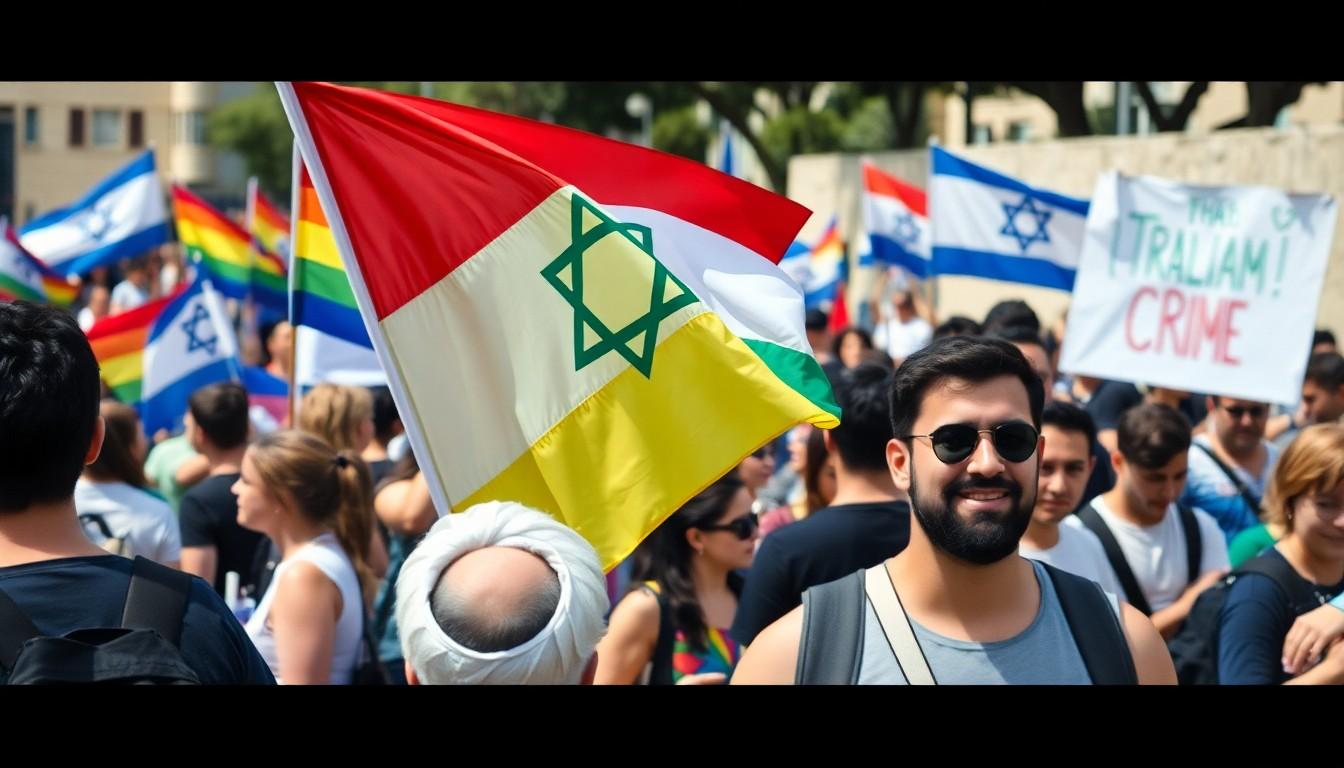
Shoppers and citizens alike are turning out for Pride , and not just for the parties. Israelis, activists and allies in Tel Aviv, Jerusalem and beyond are using Pride Month to celebrate gains, remember losses, and press for concrete change so LGBTQ+ people can live fully and safely at home.
Essential takeaways
- Visible victories: Israel allows public LGBTQ+ organising, has openly gay Knesset members, and recognises same-sex marriages performed abroad, giving a strong sense of openness.
- Everyday work: Activists and community groups fight year-round for rights, mental-health support and legal recognition, not only during Pride.
- Unfinished business: Same-sex couples still can’t marry domestically, transgender people face systemic hurdles, and LGBTQ+ youth remain at higher risk of bullying and isolation.
- Hard-won courage: Jerusalem’s Pride marches and the annual remembrance of Shira Banki show protest’s role in pushing society forward and the real dangers activists confront.
- Practical next steps: Support local LGBTQ+ organisations, back legal reforms, and look beyond rainbow logos to sustained policy and community action.
Pride is protest first, party second
Pride started as a defiant protest and that origin still matters, especially in Israel where visibility is both celebrated and contested. The brightest parades , in Tel Aviv or Jerusalem , sparkle, but they also carry the texture of activism: banners, chants, and policy demands. According to reporting in local outlets, many community groups continue the hard, quieter work long after the floats leave the avenue. If you’ve ever smelled the diesel and cotton candy at a Pride march, remember it mixes with determination and grief as much as with celebration.
What Israel has achieved , and why it matters
Israel occupies a unique place in the Middle East for LGBTQ+ rights: public organisations operate freely, elected officials are out and visible, and courts and ministries have recognised some family rights. These are not symbolic alone; they change everyday lives. But progress has been incremental and often the result of persistent pressure from lawyers, activists and families rather than sudden top-down reform. That’s why recognising progress without mistaking it for completion is important for anyone who cares about equal rights here.
The limits: marriage, trans rights and youth safety
There’s a gap between recognition and full equality. Same-sex couples can have marriages registered if performed abroad, yet they cannot marry in Israel itself. Transgender people still face administrative and medical barriers that complicate simple things like identity documents or access to care. Young LGBTQ+ people report higher levels of bullying and mental-health strain. Those facts matter because they show where advocacy should focus next: legal reform for marriage equality, clearer and fairer trans healthcare and robust anti-bullying measures in schools and social services.
Jerusalem’s Pride: a case study in persistence
Jerusalem’s march has never been an easy stroll. For decades, activists have walked through opposition and, at times, violence , most painfully in the 2015 stabbing of 16-year-old Shira Banki. Memorials and annual gatherings keep that memory alive, and they remind people that Pride is about refusing to be hidden. Those who organise and turn out in Jerusalem often do it knowing the risks; that willingness to return year after year is a form of civic courage Israel needs if it wants real inclusion.
How to move from rainbow capitalism to real support
A rainbow logo is fine for a social post, but it’s not a policy. If you want to make Pride meaningful beyond June, donate to local LGBTQ+ helplines, volunteer with youth-support groups, and press elected representatives for legal changes that matter , marriage equality, trans healthcare access, anti-discrimination laws that are enforced. Employers can do more, too: training, clear policies and continued funding for community services show commitment beyond marketing.
Looking ahead: keeping ambition alive
Patriotism and criticism can travel together; many of the country’s strongest calls for equality come from people who love Israel and want it to live up to its own ideals. Pride should leave you proud enough to recognise victories, and hungry enough to keep pushing. The work ahead is practical: law, services, culture and safety. It’s also moral and communal , and that’s exactly the mix activists have used to change things so far.
It's a small change that can make every Pride celebration mean more , keep supporting the groups doing the work year-round.
Source Reference Map
Story idea inspired by: [1]
Sources by paragraph: