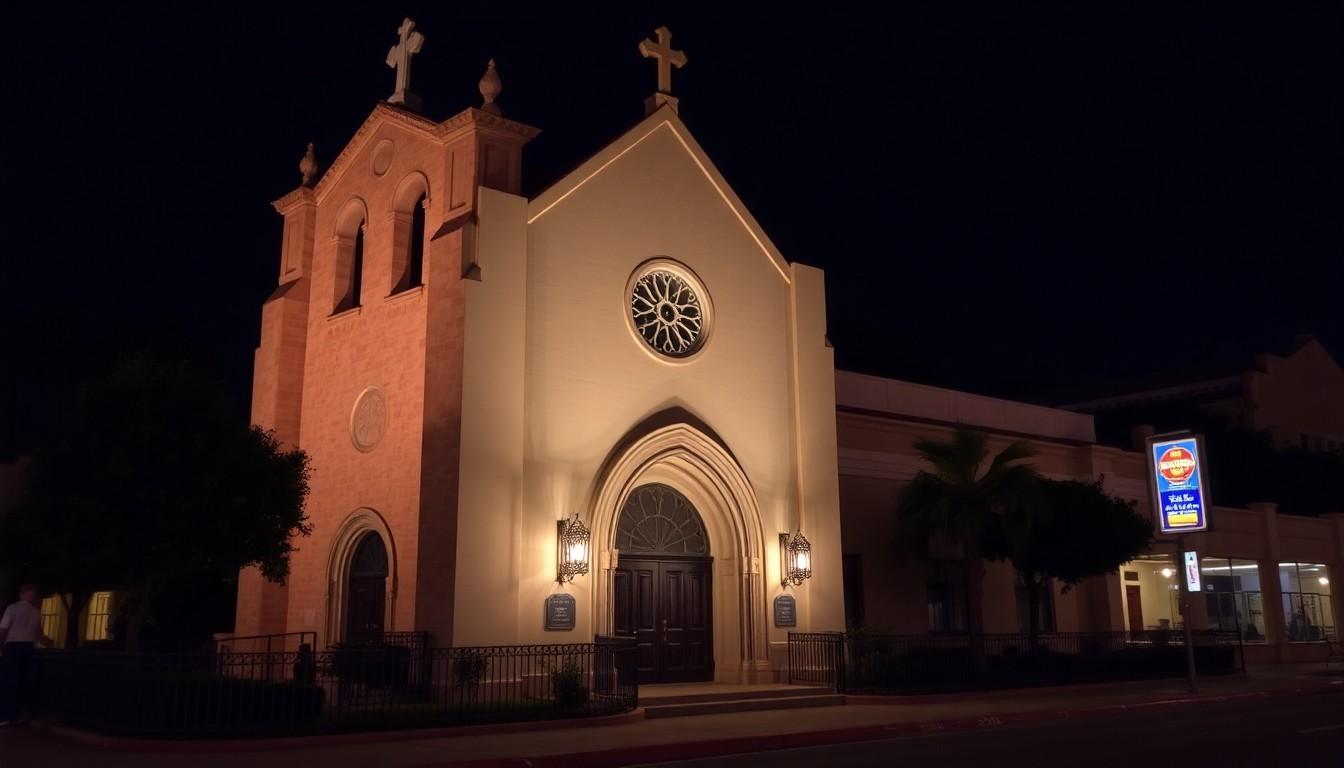
Shoppers and Pride-goers saw a familiar face as Kamala Harris quietly dropped into The Abbey during Pride Month, greeting people, posing for photos and reminding a packed West Hollywood bar why visibility and celebration still matter amid political attacks on LGBTQ+ rights.
Essential Takeaways
- Unexpected cameo: Kamala Harris and Doug Emhoff made an unannounced, 20‑minute visit to The Abbey in West Hollywood, warmly interacting with patrons.
- Historic venue: The Abbey, open since 1991, remains a nightlife and political landmark for LGBTQ+ Los Angeles, known for mixing celebration with activism.
- Symbolic timing: The visit came during Pride Month as debates and policy moves targeting trans and LGBTQ+ people continue at the federal level.
- Longstanding ties: Harris has a track record of visible LGBTQ+ support dating back to her time in California public office and her vice‑presidency.
- Vibe: Videos show a cheerful, tactile scene, handshakes, hugs, raised phones and genuine applause from clubgoers.
A surprise that felt like a hug
There’s something brilliant about a leader who can walk into a crowded bar and simply join in. Harris and Emhoff slipped into The Abbey on a Saturday night and, for about 20 minutes, let the room be the centre of attention. Witnesses described hugs, handshakes and photos; social videos captured the cheers and the quick, friendly exchanges that made the moment feel authentic and warm.
The scene mattered because it was low‑key and human. It wasn’t a speech or a staged meet‑and‑greet, it was Pride as it’s often lived, noisy, tactile and communal. For people who’ve felt under threat this year, the simple act of a well‑known politician showing up unannounced can be reassuring.
Why The Abbey still matters
Since opening in 1991, The Abbey has been more than a bar: it’s a cultural touchstone where nightlife, queer identity and politics intersect. West Hollywood’s venue frequently hosts celebrations that double as political gestures, and Pride Month amplifies that history. Locals and visitors treat it like a must‑see spot, where visibility and party mix in the same crowded room.
That makes a casual drop‑in significant. When politicians step into places that symbolise community, it’s both optics and solidarity. For many patrons it’s a reminder that queer spaces remain central, despite broader social and political headwinds.
Context: Pride in a tense political climate
The visit came as national conversation around LGBTQ+ rights remains fraught. Policymaking and rhetoric from the current administration have targeted transgender people and scaled back federal recognition and protections in several areas. That backdrop turns small acts, attendance at a Pride bar, a handshake, a photo, into gestures with political weight.
Harris’s presence taps into a longer pattern. She has publicly supported marriage equality, refused to defend Proposition 8, and used official residences for Pride events during her vice‑presidency. Those choices have helped sustain a narrative of visible support that plays well in community spaces and on the campaign trail alike.
What this means for Pride visibility
Visits like this do two things at once: they reassure people who want recognition, and they keep pressure on public figures to be seen where it counts. For activists and patrons, the value lies in the everyday visibility, leaders entering the room and not remaining distant. It’s a reminder that political support sometimes looks like a hug rather than a press release.
If you’re planning to attend Pride events this year, consider what visibility means to you. Small actions, showing up, amplifying voices on social, donating to local groups, add up. And if a politician visits your local venue, take the photo, but also use the moment to push for concrete protections.
Looking ahead: more than a snapshot
The Abbey visit is a snapshot that reflects a longer relationship between a public figure and the LGBTQ+ community. It’s easy to reduce moments like this to optics, but they also keep communal morale high during stressful political seasons. Whether it changes policy overnight is another question, yet these scenes help maintain connection and remind people they’re not alone.
It’s a small gesture with a human heartbeat, exactly the sort of thing Pride has always been about.
It's a small change that can make every celebration feel safer and seen.
Source Reference Map
Story idea inspired by: [1]
Sources by paragraph: