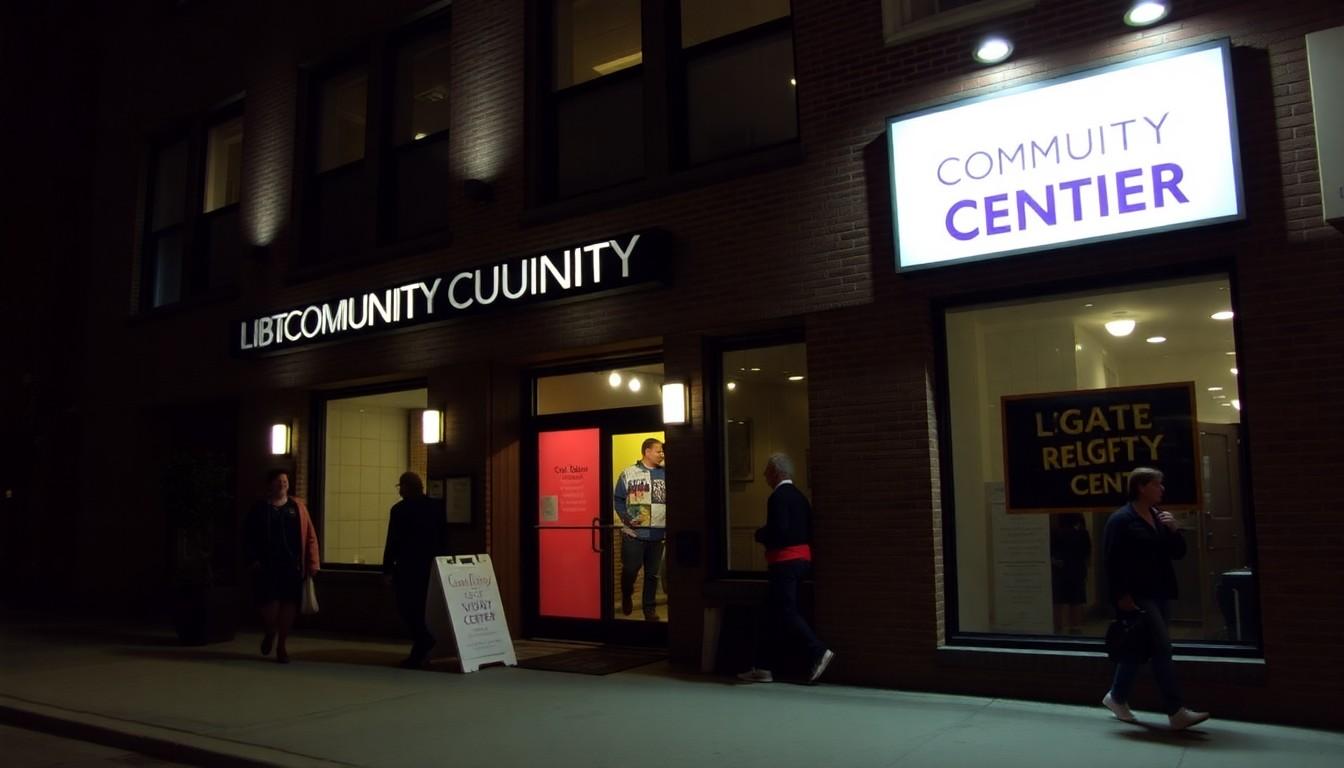
Shoppers, locals, and newcomers keep finding refuge at The Lesbian, Gay, Bisexual & Transgender Community Center in Manhattan , a lively, essential hub where practical services, art, advocacy and everyday friendship meet, and why that matters for New York’s queer community now.
Essential Takeaways
- Huge reach: The Center serves hundreds of thousands of New Yorkers with over 30,000 direct services and almost 4,000 weekly visitors.
- Lifetime of programmes: More than 400 groups cover health, culture, youth services, addiction recovery and legal support , many run by people who grew up using the centre.
- Visible history: The building houses a major collection of queer art and archives, including a preserved Keith Haring mural and the National LGBT History Archives.
- Hands-on advocacy: The Centre coordinates statewide coalitions and policy work to protect access to care, housing and safety.
- Welcoming feel: Everywhere you look there’s an intentional, lived-in vibe , leather couches in the youth room, life-sized portraits in rotating shows, and staff whose stories reflect the services offered.
A place that lets people exhale , the sensory first impression
Walk into The Center in the West Village and you’ll notice how the noise of the city softens; it’s a room that feels intentionally lived-in, with worn couches and handmade artwork that says people belong here. According to the organisation, the spaces are designed to welcome everyone , from teens seeking peer groups to adults coming for medical or legal support. That homey atmosphere isn’t accidental; it’s part of a mission to offer tangible safety and comfort alongside services.
Built out of crisis, now a backbone of care and community
The Center opened in 1983 during the height of the AIDS crisis and has grown into one of the world’s largest LGBTQ+ community hubs. Over decades it has added healthcare, counselling, and specialised programmes that meet evolving needs. Staff often describe their roles as coming full circle , people who once relied on the centre now run its programmes , and that continuity shapes how services are offered, with lived experience informing policy and practice.
Art, archives and memory , why culture is central here
Art isn’t a decorative afterthought at The Center; it’s central to identity and activism. The building houses a permanent collection of works created for the 20th anniversary of Stonewall and a Keith Haring mural preserved for public viewing. Upstairs, the National LGBT History Archives collect records that help activists, students and families learn how past organising won rights and survived setbacks. Those cultural resources make the Centre both a refuge and a classroom.
Youth work that changes life trajectories
The Centre’s youth drop-in space is deliberately welcoming , books, queer zines, karaoke nights and workshops , and it’s open daily so teens can find consistency. Youth services staff point out the long-term payoff: young people who find a community early grow into adults with better health, stronger social networks, or careers in the very organisations that supported them. For parents and guardians, that continuity is a persuasive reason to trust the Centre’s programmes.
Everyday administration that keeps the lights on
Not every role is front-of-house, and staff in finance, operations and events stress how important back-room stability is. Fundraising and careful budgeting allow the Centre to run large galas, small support groups and outreach simultaneously. Those practical tasks , payroll, payments, vendor work , mean the difference between a programme that runs once and one that’s sustainable for years.
Advocacy beyond the West Village , how The Center moves policy
The Centre doesn’t just provide services; it organises. It leads statewide coalitions and lobbies for policies that improve access to healthcare, housing and safety for LGBTQ+ New Yorkers. Staff who work in government and community affairs talk about using local lessons to shape broader strategy, ensuring that resources reach the communities that need them most. In a political climate that can feel hostile, coordinated advocacy is an essential layer of protection.
What to look for if you want to get involved
If you’re thinking of visiting or volunteering, start by checking current programmes and opening hours online. Drop-in spaces, medical clinics and archives often have different schedules, so a quick look at the website or Instagram helps. For families or clinicians, consider touring the health and youth services to see how the Centre’s approach might complement local support networks. And if you’re going to an event, expect collaborative energy , staff and volunteers work hard, and community presence is what keeps the place humming.
It’s a small change that can make every visit feel safer and more affirming.
Source Reference Map
Story idea inspired by: [1]
Sources by paragraph: