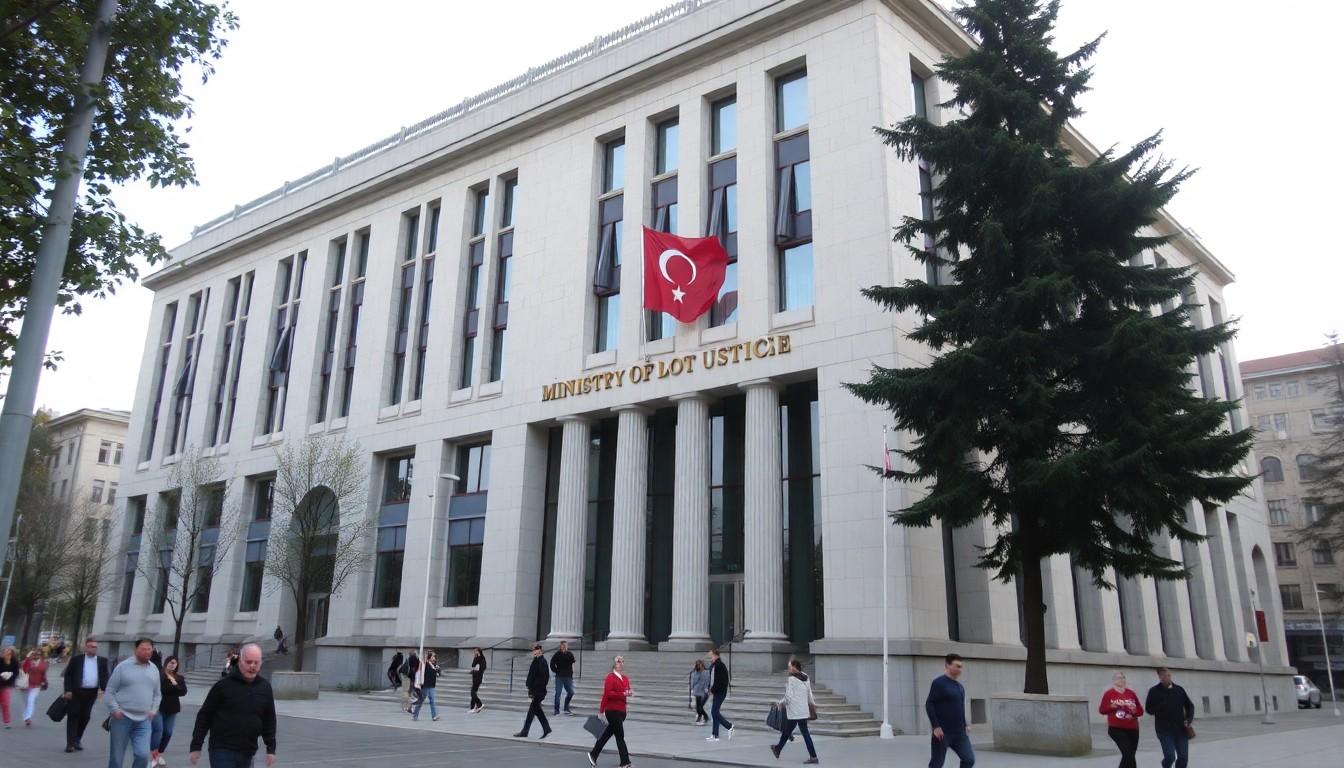
Watch for a worrying shift: lawmakers in Türkiye are circulating a draft that would criminalise LGBT people and clamp down on gender-affirming healthcare, a move that matters for human rights, families, and anyone following rights trends across Europe. Here’s what’s in the plan and how civil society and activists are reacting.
Essential Takeaways
- Scope of the proposal: Vaguely worded bans on “attitudes and behaviours contrary to biological sex and public morality” could carry prison terms up to three years.
- Healthcare limits: The draft would raise the minimum age for sex reassignment to 25, mandate sterilisation and bar anyone with children from procedures, while requiring multiple evaluations at state-linked hospitals.
- Legal penalties: Healthcare providers performing surgeries without compliance could face up to seven years in prison; trans people could face up to three years.
- Rights impact: Lawyers and rights groups say the measures would violate privacy, legal recognition and the right to health under international law.
- Public reaction: Dozens of NGOs and rights organisations have already sounded alarm bells and continue to mobilise against the judicial package.
What exactly is on the table , and why it smells of criminalisation
The draft circulated among ruling party deputies rewrites the problem as a question of public morality, using broad, subjective language. That means behaviour or expression could be policed with little legal clarity, and prison sentences of up to three years are on the line. Human Rights Watch and other observers see this as a step beyond restrictions into active criminalisation. The wording echoes a leaked 2025 draft that provoked domestic and international outrage, so this is not entirely new , but the re-emergence matters because it shows the idea hasn’t been abandoned.
Health care restrictions that double as control
Under the proposal, access to gender-affirming surgery would become far harder. The minimum age would rise to 25, sterilisation would be mandatory, and people with children would be excluded. Four separate health evaluations at hospitals tied closely to the state would be required before any procedure. For anyone who follows trans health debates, that combination of age limits, forced sterilisation and gatekeeping via state institutions reads less like medical oversight and more like moral control. Rights groups point out this undermines established principles of informed consent and care.
How the government frames it , and what critics say
Officials frame these moves as protecting family values and public morals, language that’s become familiar from Ankara’s recent rhetoric. But critics including NGOs and legal experts argue the measures are discriminatory and breach international human rights obligations. Courts in recent years have already used obscenity laws to shutter groups and prosecute events, so there’s an existing legal toolkit that could be repurposed to enforce any new statute. That pattern makes activists nervous: incremental legal changes can have sweeping practical effects.
The broader pattern: restrictions, trials and a chill on public life
This draft sits alongside a longer trend: bans on most Pride events, prosecutions of activists and occasional trials of public figures over alleged “obscenity.” Media reports show several recent court actions and organisational closures linked to social media posts deemed inappropriate. International observers see this as part of a tilt away from pluralism and towards a politics that uses moral panic to justify restrictions. For those watching rights in the region, it’s a reminder that legal text can be a powerful tool for social engineering.
What this means practically , for people, providers and campaigners
If passed, the law would affect three groups most directly: trans and gender-diverse people seeking healthcare, clinicians and hospitals that provide that care, and NGOs that support sexual and gender minorities. Providers could face heavy prison terms for non-compliance, which will likely deter services even where they remain legal. Campaigners should document impacts, seek international legal advice, and build coalitions; individuals should note that access and protections could vary by region and that legal recognition depends on surgery in Türkiye, which raises the stakes.
It's a stark proposal with real consequences for privacy, healthcare and legal recognition , and it deserves scrutiny from anyone concerned about rights in Türkiye and beyond.
Source Reference Map
Story idea inspired by: [1]
Sources by paragraph: