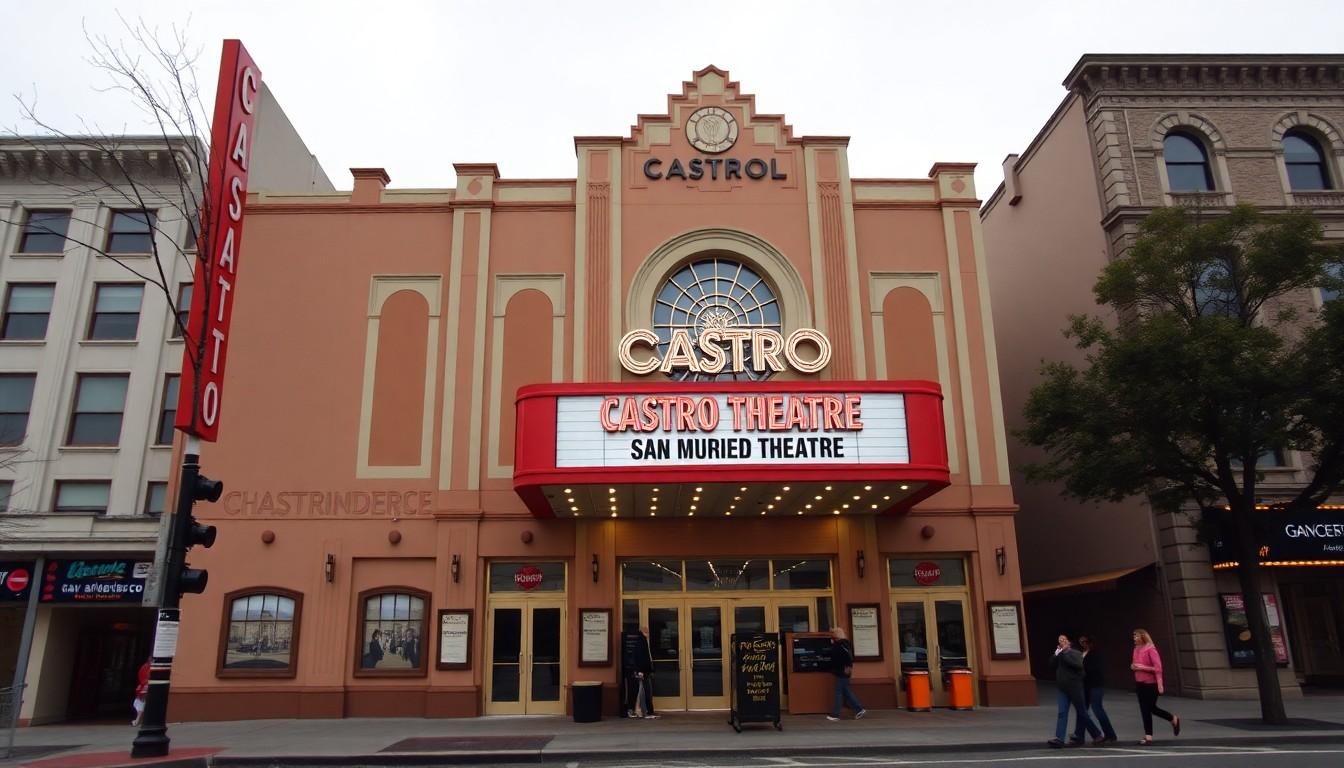
Shoppers are turning up the volume on queer cinema as Frameline celebrates its 50th edition in San Francisco, bringing premieres, revivals and a Castro-homecoming that proves this festival is more than nostalgia, it's a vibrant, in-person rejoinder to ongoing cultural attacks and a rare communal celebration of LGBTQ+ creativity.
Essential Takeaways
- Golden milestone: Frameline marks five decades of queer film programming with an 11-day festival across Castro, Roxie, Vogue, BAMPFA and New Parkway.
- Big premieres: Early screenings include Hayley Kiyoko’s Girls Like Girls, John Early’s Maddie’s Secret, and the demonic queer horror Leviticus, many with filmmakers and cast in person.
- Programme variety: The lineup mixes new features, queer horror, sports documentaries, experimental works and restored classics like Desert Hearts and Bound.
- Community feel: Return to the Castro Theatre and lively live events emphasise in-person solidarity, tickets were selling fast as schedules dropped.
- Practical note: Frameline50 runs June 17–27; check frameline.org for tickets, schedules and accessibility info.
Why Frameline at 50 still feels urgent, not nostalgic
Frameline’s half-century is striking because it lands amid renewed political assaults on queer life, making the festival feel less like a museum piece and more like a public demonstration with popcorn. The Castro homecoming, with its repaired-but-smaller auditorium, gives things a tactile, communal buzz, people close together, cheering and arguing in the dark. Festival-goers I spoke with said seeing films in person felt restorative in a way streaming can’t match. If you care about queer visibility, this is the place to witness it live.
The lineup mixes premieres, cult favourites and restored classics
Expect a generous potluck of screenings: contemporary premieres rub shoulders with restored staples. Aside from new releases like Girls Like Girls and CAMP, Frameline programmes classics from Donna Deitch’s Desert Hearts to the Wachowskis’ Bound and Jennie Livingston’s Paris Is Burning. That variety signals the festival’s dual role: it launches careers and preserves cinematic memory. If you’re choosing what to see, blend a revival with a new film, technique meets context, and your evening feels richer.
Queer horror and genre films are having their moment
Queer filmmakers have long used genre to process trauma and desire, and this year queer horror is prominent. Leviticus, Teenage Sex and Death at Camp Miasma and CAMP explore themes from conversion tactics to campy terror. Genre films here aren’t throwaways; they’re a way to translate political pain into catharsis and thrills. For viewers who usually skip horror, pick one with a post-screening Q&A, hearing directors explain their approach makes the scares mean something.
A heavy emphasis on art, artists and overlooked histories
Documentaries about creative lives and marginal histories feature strongly: tributes to Barbara Hammer, performance art retrospectives, profiles of poets and queer musicians, plus archival programmes like “.99 Cent Queer Video Fest.” Frameline keeps insisting queer art is not ancillary. If you’re interested in cinema history or performance, schedule the centerpieces and archival shows, they’re the festival’s memory banks and often the most illuminating.
There’s lots for trans, international and sports-minded audiences
The programme broadens representation: films like Ivan & Hadoum and Dreamboi explore trans and cross-cultural relationships, while documentaries cover athletes from Brittney Griner to Billie Jean King and the NHL’s first out player. That range matters, Frameline isn’t just about one community slice but many queer experiences across age, nation and vocation. If you want to see a film that might change how you think about gender, sport or migration, scan the trans and international tags on the schedule.
Practical tips for getting the most from Frameline50
Tickets for headline events and Castro screenings were moving fast, so buy early and sign up for waitlists. Mix venues to avoid the long lines at any one theatre, and look for daytime shorts programmes if evening slots are sold out. Bring layers, the Castro can be cool after dark, and budget time for post-screening discussions; many filmmakers and stars attend. Finally, check accessibility options on the festival site if you need captions or wheelchair access.
It's a small change in your calendar that can make a big difference for how you experience queer cinema and community.
Source Reference Map
Story idea inspired by: [1]
Sources by paragraph: