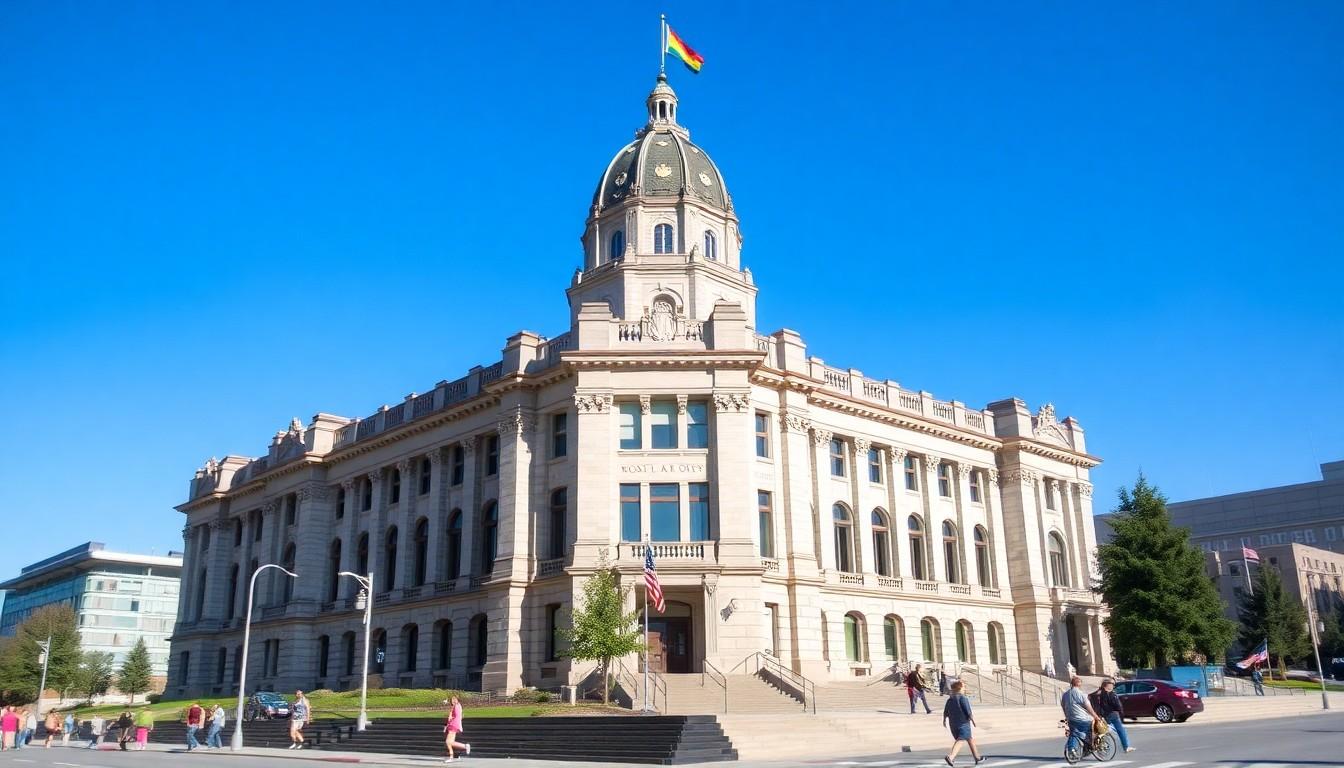
Celebrate loudly: Flag Day lands on June 14, right in the heart of Pride Month, and many people are choosing to mark both by flying flags that matter to them , whether that’s Old Glory or one of the dozens of LGBTQ+ banners. Here’s why it works, and how to do it respectfully and joyfully.
Essential Takeaways
- Historic date: Flag Day commemorates the adoption of the U.S. flag on June 14, 1777, and was proclaimed by President Woodrow Wilson in 1916.
- Not a federal holiday: Government offices don’t close, but communities, schools and parks often host events and ceremonies.
- Pride overlap: Pride Month and Flag Day coincide in June, so many people mix traditional patriotism with LGBTQ+ pride by displaying both flags.
- Practical tips: Mix flags thoughtfully , use separate poles or staggered display times, and check local flag etiquette before altering or combining flags.
- Feel-good payoff: Combining flags can feel inclusive and celebratory; it’s a small gesture that signals belonging for many people.
Flag Day’s story: a short, colourful history
Flag Day marks the 1777 resolution that established the US flag’s design, and the observance was pushed into national awareness by figures like Bernard J. Cigrand and later recognised by President Woodrow Wilson in 1916. According to the National Park Service, communities have celebrated it with parades, school programs and flag-raising ceremonies for decades. The day has a quietly patriotic feel , think crisp fabric, a breeze and kids saluting , but it’s never been a day when everything stops, since it’s not a federal holiday.
Why Pride and Flag Day sit comfortably together
The calendar coincidence is part serendipity, part culture. Pride Month grew from a much later origin but has become June’s defining civic moment for LGBTQ+ visibility. That overlap gives people licence to fly more than one emblem. As reported in community outlets, some conservatives have pushed back, insisting Flag Day should honour “one flag and one flag only,” but many others see no contradiction in celebrating both history and diversity. For lots of people, a rainbow flag next to the Stars and Stripes says “I belong here” and “this country includes me.”
How to display multiple flags without drama
If you want to fly two flags, follow basic etiquette: use separate poles of equal height when possible, or fly them at different times so neither is obscured. The U.S. Flag Code advises the national flag should take precedence on the same pole, so many households put the American flag on a permanent mount and rotate other flags on a secondary halyard. Practical touches help too , choose sturdy fastenings for windy spots, wash or replace faded flags, and avoid stapling or tying flags in ways that could damage them.
Ideas for community events that feel inclusive
Small events can do a lot. Try a combined flag-raising with a short historical note about the U.S. flag and a brief acknowledgment of Pride Month, or host a community craft morning where people make mini-flags to parade. Local parks and libraries often welcome low-key programming; check with organisers first. These moments are an easy way to mix education, celebration and a little humour , and they give people a chance to show support in public without escalating tensions.
When to be cautious: respect, rules and safety
Not every place is the right place for every flag. Public buildings and some gated communities have rules about flags and flagpoles; event permits may be needed for large displays. And if you’re at a school or workplace, consider policies and the comfort of others , a quiet conversation with organisers can prevent complaints. Above all, remember flags carry meaning; displaying someone else’s banner without permission can feel disrespectful, so ask before you borrow or co-opt symbols.
It's a small but powerful moment: fly what matters to you, but do it with a bit of thought and courtesy.
Source Reference Map
Story idea inspired by: [1]
Sources by paragraph: