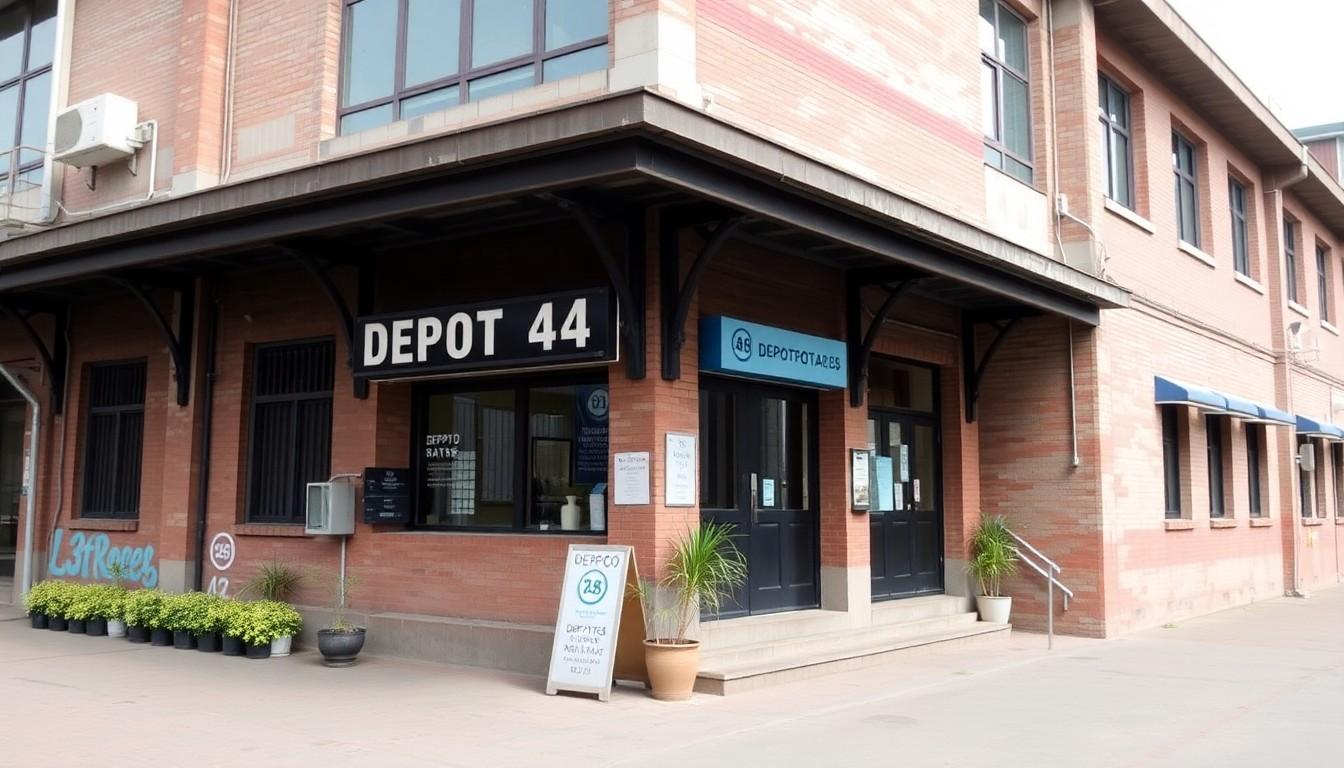
Shoppers and city-goers are noticing a shift: Pride is no longer just a June spectacle. Depot48 in Delhi has quietly turned inclusive nightlife into everyday infrastructure, offering artists, audiences and queer families a safer, more consistent way to be seen , and that matters beyond parades and campaigns.
Essential Takeaways
- Year-round programming: Depot48 hosts queer artists across the calendar, not just during Pride, creating a steady platform for performers.
- Safety as practice: Staff training, enforced zero-tolerance policies and incident protocols make the venue feel reliably secure and welcoming.
- Beyond visibility: Legal recognition for queer families remains a priority; visibility alone doesn't fix inheritance, healthcare or housing gaps.
- Audience evolution: Delhi crowds have shifted from gawking to genuine participation , shows draw regular, enthusiastic turnouts.
- Digital and policy challenges: Online hate and weak legal protections still hamper everyday inclusion, especially for trans communities.
Depot48 proves Pride can be a year-round thing , not a seasonal showpiece
Walk into Depot48 on a random Tuesday and you’ll often find a cosy crowd, a low hum of conversation and a performer who’s done this set before , because the venue programmes queer talent consistently. According to local listings, the space runs a Pride Fair and regular events that keep queer creativity thriving beyond June. Depot48’s model shows how inclusion becomes real when it’s routine, not a one-off marketing stunt. If you want to support genuinely inclusive venues, check their calendar across months, not just in June.
Safety is a practice, not a poster on the door
It’s startling how often venues slap a rainbow sticker on the window and call it a day. Depot48’s approach is different: staff training, clear incident-handling at late hours and a policy that’s actually enforced. That matters when someone tests the space and stays. For venue operators, practical steps include role-play training for bar staff, a written escalation process and discreet ways for guests to report harassment. For patrons, returning to places that pass these tests is a simple way to reward serious inclusion.
Visibility helped, but legal recognition is the next frontier
Visibility saved lives, as many activists note, but Narula and others keep returning to a hard truth: legal progress hasn’t fixed everyday vulnerabilities. The demand for legal recognition of queer families , covering inheritance, medical decision-making and adoption , is urgent. Without it, relationships remain precarious when things go wrong. So while you enjoy a gig or a drag night, remember the policy work still needed: supporting petitions, backing mindful candidates and amplifying calls for concrete legal reform.
Drag, music and queer programming have moved from curiosity to headline acts
Audience attitudes in Delhi have shifted markedly; what once drew puzzled looks now fills rooms. Regular bookings , not token Pride slots , have normalised queer art and made performers mainstays on the calendar. That change didn’t arrive overnight; it grew from repeated, respectful exposure. For promoters and bookers, the takeaway is clear: if you want to be an ally, make queer artists part of your season, not your festival theme.
The gaps: trans rights, digital hate and workplace inclusion still need muscle
Progress isn’t uniform. Trans communities face specific legal and social hurdles that are often sidelined in urban Pride narratives, and online abuse continues to make visibility dangerous for many. Industry and employers can help by adopting inclusive HR policies, anti-bullying measures and accessible healthcare benefits. Meanwhile, audiences and policymakers should press for better digital moderation and stronger legal protections that reflect people’s lived realities, not just celebratory rhetoric.
Depot48’s story is both a blueprint and a reminder: building inclusive culture takes patience, policy and practice , and it’s worth the work.
It's a small change that can make every night a safer, truer place to belong.
Source Reference Map
Story idea inspired by: [1]
Sources by paragraph: