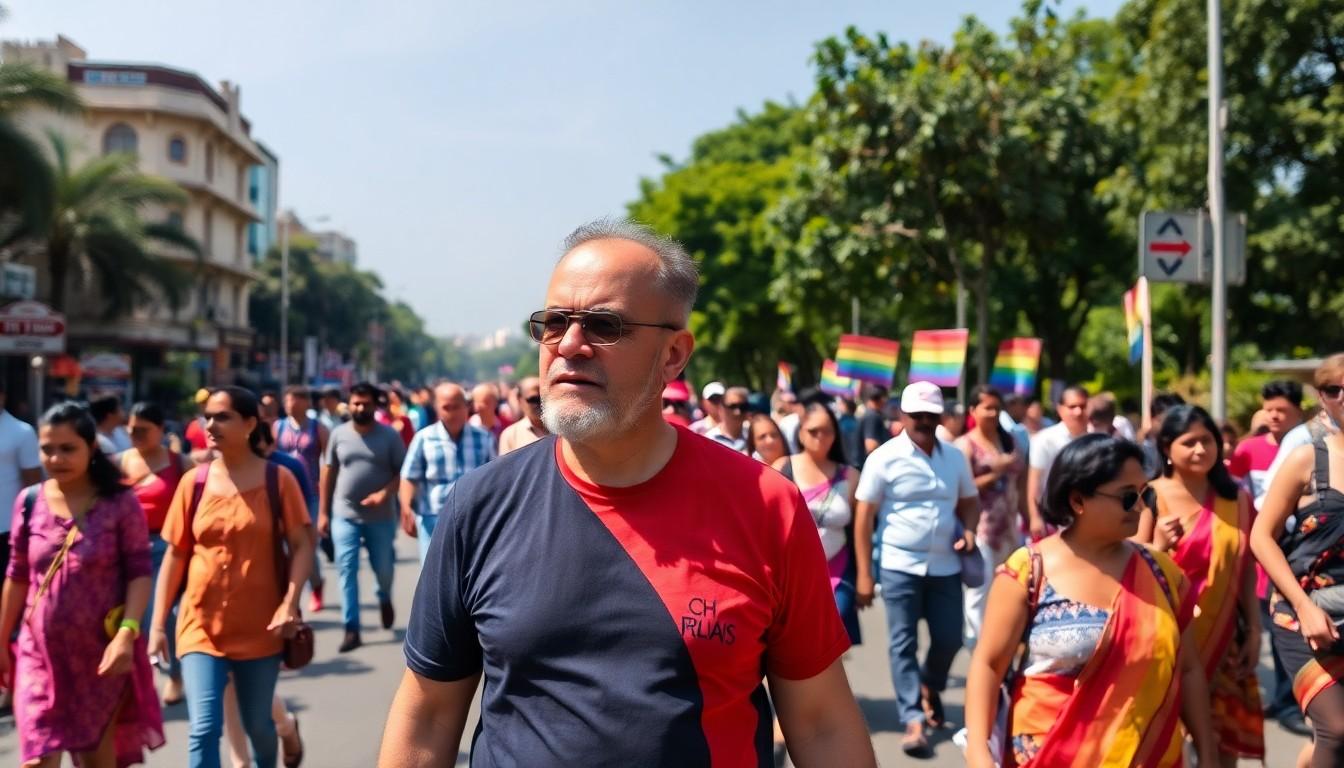
Shoppers, office-goers and families turned out in force as Pune’s 14th annual Pride Walk drew over 1,800 people , a colourful, hopeful and purposeful day that mixed celebration with a clear demand for legal dignity and recognition.
Essential Takeaways
- Strong turnout: More than 1,800 participants, including grassroots activists, corporate DEI groups, supportive parents and allies, marched together.
- Visible leadership: The march was led by Grand Marshal Reeva Kinkar, a transwoman and senior HR DEI leader, bringing both visibility and gravitas.
- Legal focus: Marchers voiced concern over the Transgender Persons (Protection of Rights) Amendment Act, 2026, and pressed for recognition of self-perceived gender identity.
- Community spirit: Volunteers, donors and local police support made the event safe and well-coordinated; the atmosphere felt upbeat and supportive.
- Local voices: Filmmaker Nakshatra Bagwe and many attendees highlighted connections with smaller towns and the wider region.
A big, bright show of solidarity , and a few damp cheeks
The opening moments of the walk were joyous, with rainbow flags, upbeat chatter and the faint tang of excitement in the air. Participants said it felt both like a party and a protest , celebratory in tone, serious in intent. According to local coverage, organisers called the event a public affirmation of identity and a platform to press for rights.
This isn’t just theatre. The turnout signals how Pride in Pune has shifted from a handful of marchers to a broad network that includes corporate DEI teams, parent allies and community groups. That mix gives the march both social weight and practical reach when advocates push for legal change.
Leadership that matters , why having a Grand Marshal counts
Putting Reeva Kinkar, a transwoman and senior HR DEI leader, at the front was a deliberate, symbolic choice. Her presence underlined the bridge between lived experience and institutional influence , a reminder that advocacy increasingly happens inside workplaces as well as on the streets.
Organisers told reporters that visible leaders help conversations move from stigma to policy. It’s a tactic that shifts public perception: Pride becomes a space where professional credibility and personal identity walk side by side, not in separate lanes.
Legal debate walked into the open
While the mood was celebratory, speakers and marchers made a point of focusing on law. The Transgender Persons (Protection of Rights) Amendment Act, 2026, was front and centre in calls for a more inclusive framework that recognises self-perceived gender identity , a right many cite from the Supreme Court’s NALSA judgment.
That blend of festivity and legal demand is typical of modern pride marches, where glitter and grievance sit together. If you’re wondering why the legal angle matters, think practical: recognition affects documents, healthcare access and daily dignity.
Volunteers, police and logistics , the unsung wins
Events of this scale don’t happen by accident. Organisers credited individual donors, partner organisations and a large volunteer team for crowd safety and coordination. Local police , named by the organisers , provided visible, respectful support on the ground, which made a tangible difference to how safe participants felt.
If you’re planning to attend a future march, note the basic maths: arrive early, bring water, dress for the weather and respect volunteers’ instructions. Small logistics keep the focus where it should be , on people and their stories.
Personal stories that land
Filmmaker Nakshatra Bagwe captured the emotional side of the day, writing about meeting people from smaller towns and the warmth of one-on-one conversations. Those micro-encounters are the engine of Pride: they turn headlines into human moments and remind us that activism is also about belonging.
Meeting someone who tells you your work helped them , that’s what people remember. It’s also why cities need events like this: they’re where policy talk meets lived reality.
It's a small change that can make every march and every life feel a little more recognised.
Source Reference Map
Story idea inspired by: [1]
Sources by paragraph: