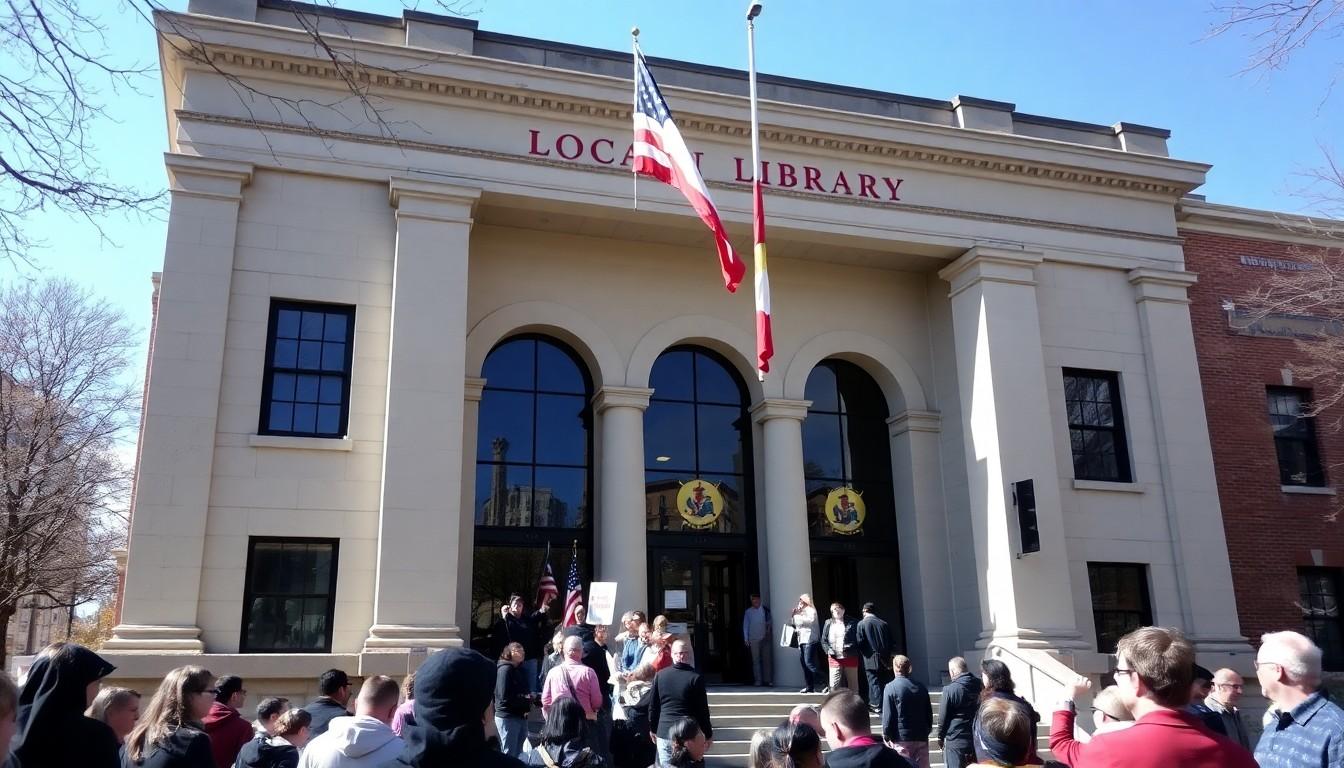
Shoppers, parents and activists are pushing back after Reform-led councils across England tightened rules on flying Pride flags and holding LGBTQ+ events in public spaces, with library bans in Essex prompting petitions, safety concerns and a reshaping of how Pride will be marked locally.
Essential Takeaways
- Immediate impact: Reform-run councils have restricted Pride flags and events at civic sites and libraries, prompting petitions and community concern.
- Emotional response: Residents report feeling unwelcome, anxious or alarmed; some groups describe righteous anger and renewed organising.
- Practical shift: LGBTQ+ groups are moving events off council land, cancelling concerts and staging rallies and community hubs instead.
- Service strain: Charities say cuts and restrictions have reduced visibility, funding and allyship, while demand for support services has risen.
- Local nuance: Councils frame changes as consistency on flag policy or neutral public space rules, but community leaders see a wider cultural effect.
Why a ban on Pride events in libraries matters , and it feels personal
When a county council tells a parent they can’t host a children’s storytime with an LGBTQ+ theme at a local library, it’s more than a policy tweak; it’s a social signal. People who used those events for friendship, information or reassurance now say they feel less welcome in civic spaces, and that quiet loss of inclusion registers emotionally. Community members in Essex launched a petition and described the move as “Orwellian”, while parents told organisers they were worried about taking their children into formerly safe spaces. Expect this to colour how families use libraries and council services going forward.
Councils insist it’s about consistency , communities see a pattern
Local leaders defending the changes say they’re establishing clear rules on which flags are flown and which groups can book civic spaces. For them, keeping flagpoles for union, national or military flags is a tidy, consistent policy. But the adjustments aren’t happening in isolation. Across several counties, from Sunderland to Warwickshire, decisions to stop flying Pride flags, withdraw funding or restrict events have arrived together, creating the sense of a coordinated shift. That pattern matters: it’s why charities and residents read policy choices as part of a broader political stance, not a lone administrative decision.
How Pride is changing on the ground , rallies, hubs and future-proofing
Groups running Pride events say they’re already altering plans. Concerts and festival-style gatherings are being pared back in favour of rallies, community hubs and events away from council-owned land. Organisations report having to “future-proof” by moving bookings to private venues and preparing contingency funds. That means Pride this year may feel leaner and more political , louder with speeches, fewer pop-up stages , and that change reflects both precaution and protest.
The human cost: charities stretched and mental-health worries rising
Local charities warn the policy shifts aren’t just symbolic. Reduced funding plus less visible council support hits services that run youth groups, counselling and social drop-ins. Chairs of small organisations say they’re seeing increased anxiety, self-harm reports and hate incidents among the people they help. It’s a practical problem: when a charity loses a local-stream of funding or the ability to advertise in libraries, it loses income and local visibility, which can mean less immediate help for vulnerable people.
What residents and organisers can do now , practical steps
If you’re worried or want to help, there are straightforward things to try. Sign local petitions and attend council meetings , community pressure still shifts local policy. Support independent Pride organisers by donating or volunteering, and push for alternative venues so events can continue safely. Parents can ask libraries for clarity about what materials remain available and where themed events might still run. Finally, local politicians on all sides respond to votes and civic attention; targeted lobbying that’s calm, specific and persistent often works better than headlines alone.
It's a small change in policy with outsized consequences for people who used to take civic inclusion for granted , and it’s prompting communities to adapt, rally and, in many cases, push back.
Source Reference Map
Story idea inspired by: [1]
Sources by paragraph: