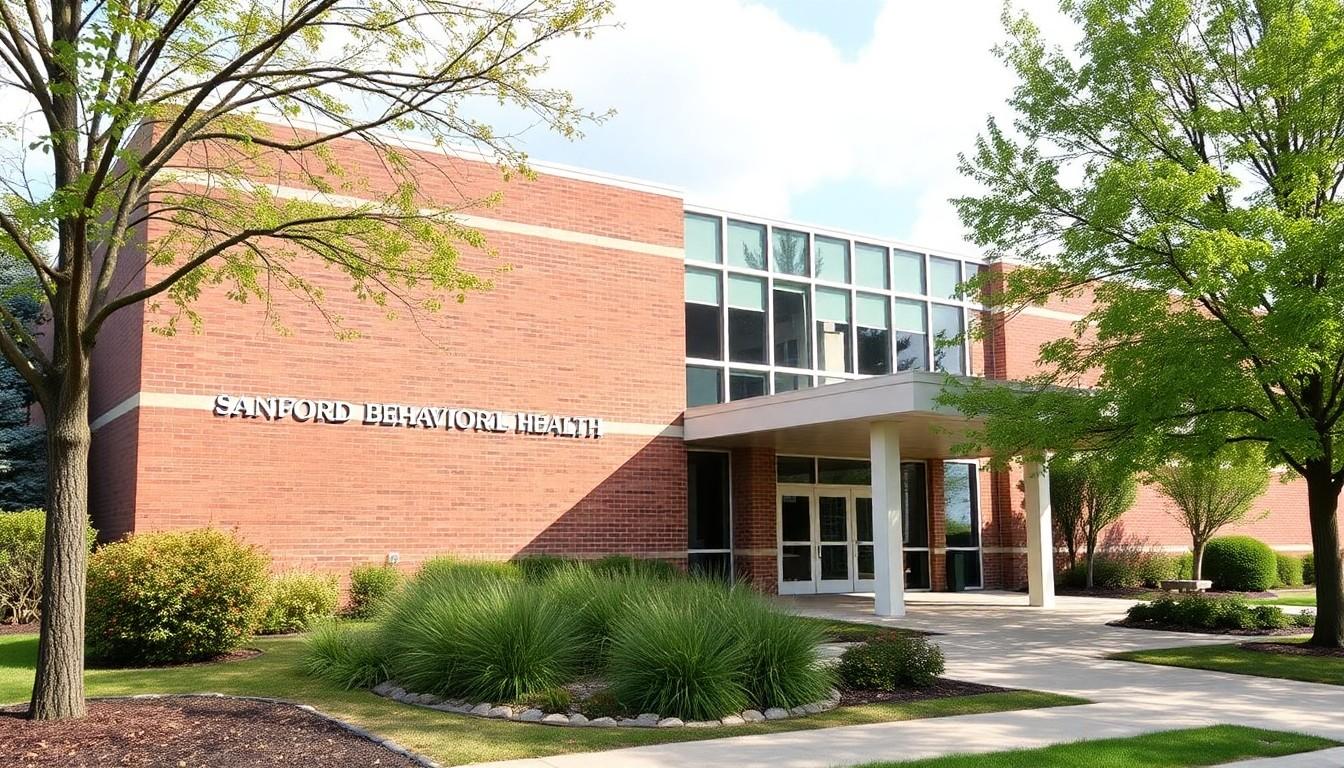
Shoppers are turning to treatment centres that explicitly welcome LGBTQ+ people, and Sanford is answering the call with a new LGBTQ+-focused group for residents, voluntary, confidential, and designed to sit alongside mental health, addiction, and eating disorder care so people feel seen while they heal.
Essential Takeaways
- New offering: Sanford is launching an optional LGBTQ+ group for people in residential treatment, covering mental health, substance use and eating disorder clients.
- Safe and affirming: Sessions are confidential and process-oriented, with educational elements tailored to client needs; the tone is compassionate and trauma-informed.
- Topics covered: Identity, belonging, minority stress, trauma, relationships, chosen family and building affirming community connections.
- Clinical focus: Program development emphasises staff readiness, patient safety and evidence-informed best practice.
- Access: Participation is voluntary, with clear expectations for privacy and respect; admissions operate 24/7 for those seeking help.
Why this matters now: a clearer, kinder niche in treatment
Sanford’s move taps into a growing recognition that LGBTQ+ people often face different stressors and treatment needs, and that an explicitly affirming environment can change outcomes. You can almost feel the relief in the concept: a space that says bring your whole self, not a pared-down version designed for someone else’s comfort. According to established models at speciality programmes, tailoring content around identity and minority stress helps people connect clinical care with lived experience. If you’re choosing a centre, look for that explicit language, it's a quick signal they’re thinking beyond generic therapy.
What the group will actually do: process, education and practical coping
The proposed sessions blend process-oriented support, where people talk and are heard, with teaching around skills and recovery. That mix matters: talking helps you feel less alone, while educational components give tools for managing stigma, navigating family relationships or coping with trauma. Centres like UCLA’s EMPWR show similar structures work when led by clinicians trained in LGBTQ+ mental health. So, if you or a loved one joins, expect a balance of safety, listening and practical strategies you can use when you return home.
Picking a programme: what to check before you sign up
Not all “LGBTQ+” labels mean the same thing. Check that staff have specific training in gender and sexual diversity, that the group is voluntary and confidential, and that programming is trauma-informed. Look for mentions of minority stress, chosen family, and how the unit handles privacy and safety. Ask how the group fits into the wider treatment plan, does it complement individual therapy, medication management or family work? These details tell you whether the welcome is genuine or just cosmetic.
How this fits into a broader trend in care
Sanford’s plan sits alongside several focused initiatives nationwide that treat identity as central to recovery rather than a side note. Programmes from specialist clinics and hospital systems increasingly integrate LGBTQ+ groups into residential offerings because the evidence and community feedback support it. That shift reflects two things: clinicians want better outcomes, and patients are asking for authenticity. Expect more providers to follow suit as demand for culturally competent care grows.
Practical tips if you’re considering joining
If you’re thinking of taking part, start by asking about group size and facilitator credentials, how confidentiality is enforced, and whether mixed-identity groups are offered or whether they run identity-specific groups too. Consider what “coming as you are” means to you, do you need a strictly trans-affirming space, or a broader queer peer group? And check logistics: is the programme available alongside your primary treatment, and how does it handle walk-ins or quick admissions? These small questions make a big difference to comfort and safety.
It's a small change with a humane effect: creating places where people can heal without hiding will often be the treatment that matters most.
Source Reference Map
Story idea inspired by: [1]
Sources by paragraph: