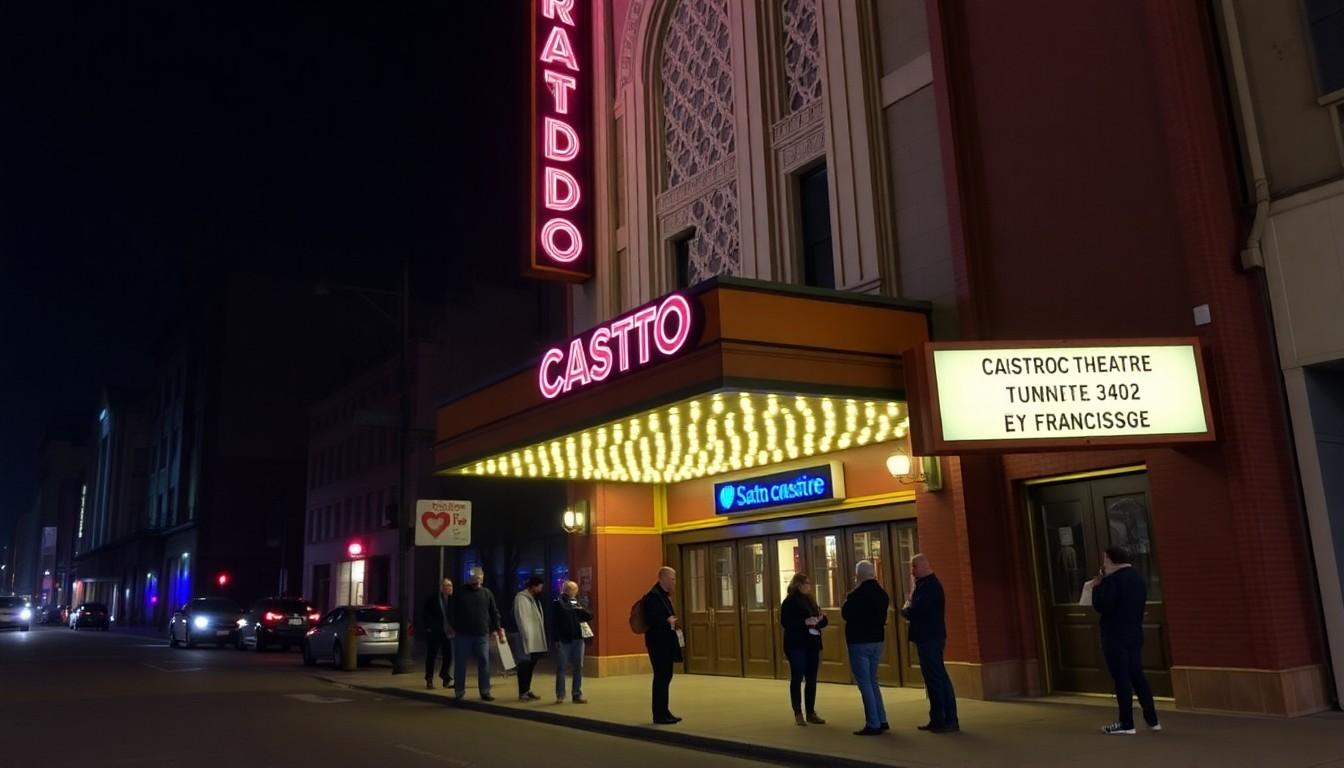
Shoppers and neighbours alike gathered under the Castro’s marquee as San Franciscans honoured the 49 lives lost at Pulse a decade on; the annual outdoor vigil and march offered remembrance, reflection and a reminder that Pride and mourning often sit side by side in queer communities.
Essential Takeaways
- Annual tradition: The Castro Theatre’s marquee and plaza hosted the vigil and march marking the tenth anniversary of the Pulse nightclub shooting.
- Community voices: Speakers included former Orlando resident Christopher Vasquez and Castro LGBTQ Cultural District manager Stephen Torres, both urging ongoing attention to safety and memory.
- Emotional tone: The event blended sombre tribute with communal solidarity , candles, signs reading “Remember the 49,” and a steady march down Castro Street.
- Local significance: San Francisco’s vigil connects local Pride spaces to national trauma, highlighting how public celebrations can carry historic pain.
- Practical note: The gathering is an example of how neighbourhood memorials can support healing while calling for policy and cultural change.
A still night, a bright marquee: how the Castro marked a painful decade
The Castro’s iconic theatre lit the evening as people gathered, candles in hand and voices low, a quiet contrast to the usual bustle. According to local reports, attendees filled the plaza and then walked down Castro Street, carrying signs that read “Remember the 49.” That visual , a familiar, festive strip used for solemn remembrance , felt at once poignant and necessary.
Communities in cities across the US have staged similar vigils since 2016, and the Castro’s has become a local touchstone. People told reporters the ceremony is an important ritual: a shared way to hold grief and to insist the losses remain visible, rather than buried under headlines. For many, the night blends sorrow with a determination to keep pushing for safer public spaces.
Voices that mattered: speakers who made it personal
Christopher Vasquez, who grew up in Orlando and now lives in San Francisco, was one of the evening’s featured speakers. He described Pulse as a newly cherished safe space and said the news felt like “a piece of my soul was taken,” remarks that grounded the vigil in lived experience. Stephen Torres, programme manager for the Castro LGBTQ Cultural District, reminded the crowd that pride celebrations are often the product of struggle and sacrifice.
Those testaments gave the evening texture: it wasn’t simply ceremonial, it was also testimonial. Listeners reported being moved by the personal memories, which made the call to remember feel immediate rather than historical. In short, it was a vigil that wanted people to feel as well as recall.
Why the Castro? Local memory and national tragedy intersect
San Francisco’s Castro has long been a symbolic home for LGBTQ life, so it’s hardly surprising the neighbourhood would stage a memorial for an attack on queer people elsewhere. The vigil links a local geography of joy to a national moment of mourning, which helps keep the conversation about security, acceptance and policy alive.
Organisers and attendees said the annual ritual helps younger members of the community learn the history that shaped contemporary Pride , that celebration and safety are hard-won. It’s also a reminder that solidarity now extends beyond city limits; a tragedy in Orlando continues to reverberate in neighbourhoods like the Castro ten years on.
How vigils help, and what they call us to do next
Vigils like this do more than mourn: they hold communities together, offer public validation for grief, and create spaces where policy discussions can begin. Participants often walk away with a renewed sense of urgency about real-world changes , from violence prevention to hate-crime legislation and better support for survivors.
If you plan to attend future memorials, organisers suggest practical steps: arrive early, bring a candle or sign, listen to survivors’ stories, and follow local groups’ guidance about safety and accessibility. Small actions , showing up, sharing resources, donating to survivor funds , add up.
Looking forward: memory as action
Ten years after Pulse, the Castro’s vigil shows how memory can be both tender and mobilising. The crowd’s steady march and the steady murmur of names and stories kept the lives lost in people’s minds while nudging the broader public toward prevention and care.
It’s a small but powerful way to ensure that remembrance remains an active, living thing.
It's a small change that can make every public celebration safer and more remembering.
Source Reference Map
Story idea inspired by: [1]
Sources by paragraph: