Shoppers and residents are asking whether Bolton’s current Pride setup gives the borough the best return on public money; community voices say a year-round, not-for-profit Pride partnership could boost inclusion, cut costs and spread benefits beyond a single summer weekend.
Essential takeaways
- Current model questioned: Bolton Pride is run by a private company and creates a single-day boost rather than sustained community engagement.
- Public cost visible: Council support, road closures, security and hired infrastructure add up, prompting residents to ask about value for money.
- Alternative idea: A stakeholder-led, not-for-profit Pride partnership could use council-owned venues to lower running costs and increase local accountability.
- Year-round benefits: Spreading events across the year could mean more community programmes, youth work and cultural activity, not just one day of footfall.
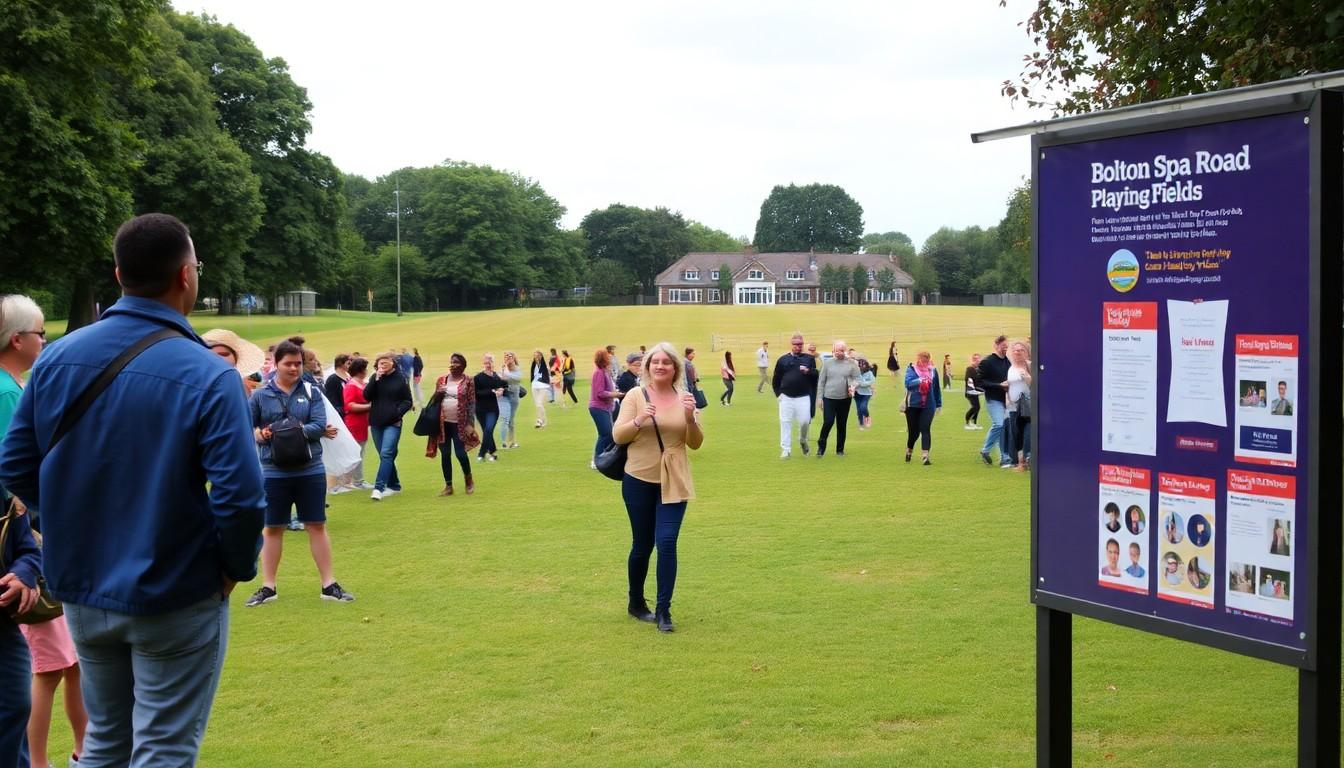
- Practical wins: Using spaces like Spa Road Playing Fields and local voluntary groups could redirect savings into sustained services and broader participation.
Why Bolton’s Pride model is under fresh scrutiny
The most striking thing about the debate is the mismatch between spectacle and substance; the town centre looks festive for a day, but participants and residents report only a fleeting sense of impact. According to a recent letter in a local paper, people are asking whether closing key streets and paying for temporary stages and security is really the best use of council resources. That’s a fair question in a town where every penny of public support is meant to stretch civic benefits beyond a single headline event.
How a community-run partnership would change the balance
Imagine a Pride overseen by a stakeholder partnership made up of local LGBTQ+ groups, Bolton CVS, voluntary organisations and community reps. This isn’t about shutting down the current event; it’s about moving governance into the borough so decisions, budgets and priorities are accountable locally. Other towns and organisations have shown how community stewardship can make events more responsive, inclusive and financially efficient.
Using council assets to save money and boost activity
One obvious practical tweak is better use of council-owned spaces. Spa Road Playing Fields and similar venues could host larger gatherings without the expense and disruption of town-centre road closures. The council has previously promoted impact funds and public spaces for community use, and redirecting event budgets to existing facilities would cut hiring costs for stages and equipment, freeing money for grassroots programmes.
From one big day to a year-round programme
A reworked model could convert a lump-sum spend into a twelve-month calendar: smaller cultural nights, educational workshops, youth support groups and pop-up events that keep LGBTQ+ inclusion visible all year. StreetGames’ Pride Activity Network and other models show how ongoing programming keeps young people engaged and builds sustained ties across communities. That’s both better for residents who rely on services and for local businesses that benefit from consistent footfall.
What to look for when choosing a new approach
If Bolton moves towards a community-led Pride, here’s a short checklist for residents and councillors: clear governance and local trustees, transparent budgets, a plan to use council venues, commitments to year-round programming and measurable community outcomes. These are the sorts of things that turn a feel-good day into lasting civic value.
It's not about stopping Pride; it's about making Pride belong to Bolton all year round.
Source Reference Map
Story idea inspired by: [1]
Sources by paragraph: