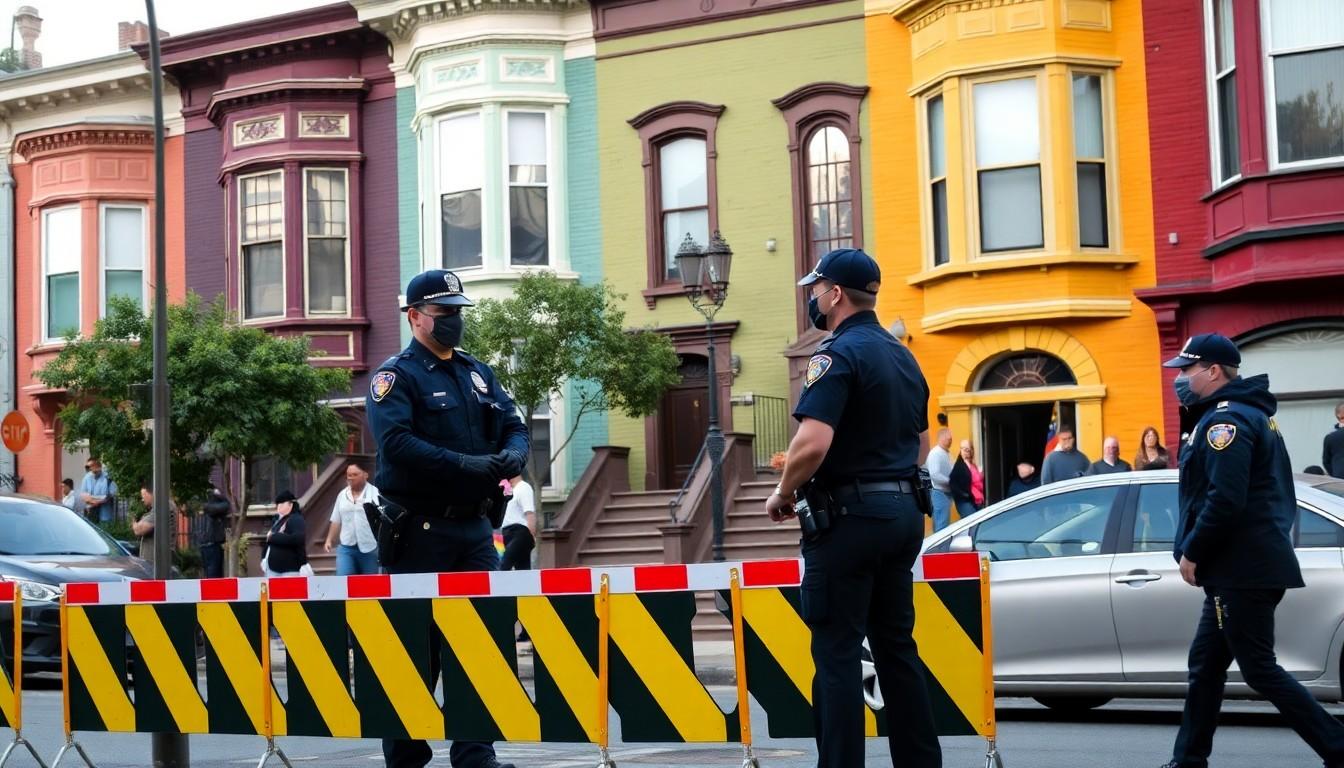
Shoppers, residents and Pride-goers watched as police cleared crowds in Philadelphia’s Gayborhood after Pride weekend; city leaders are now probing tactics, community members are upset, and officials say safety , not bias , drove decisions. Here’s what to know, why it’s sparked questions, and what comes next.
Essential Takeaways
- What went down: Police confronted large crowds in the Gayborhood after the main Pride parade moved to the Parkway; streets stayed open and people were eventually pushed to sidewalks.
- Admissions and mistakes: Commissioner Kevin Bethel acknowledged planning errors, including leaving streets open to vehicles , a decision he said “might not have been the best.”
- Arrests and investigations: Police reported around 14–15 arrests; City Council and local officials are calling for reviews and at least five officers are under investigation for policy violations.
- Community reaction: LGBTQ+ residents and advocates question the tactics used and whether the response was proportionate; protests and calls for accountability have followed.
- What to watch: Commissioner Bethel plans to testify before City Council this autumn, and the investigations could lead to policy changes or discipline.
What actually happened on 13th Street , the scene and the sound of it
Videos and eyewitness accounts show a crowded, noisy Gayborhood with people pushed onto sidewalks while traffic lanes remained open, a jarring sight for anyone used to block-party energy. Witnesses described a chaotic, tense atmosphere as police sought to clear the area after the Parkway parade wrapped. According to local reports, officers moved in after some people reportedly jumped on cars and fights broke out, which police say drove their decision to disperse crowds. The visual contrast , tightly packed sidewalks beside moving traffic , is what has fuelled much of the outrage.
Why police say they acted that way , safety, shifting crowds and quick decisions
Commissioner Kevin Bethel stressed the department’s priority was safety and defended officers while admitting planning flaws, notably the decision to leave streets open in the Gayborhood. Bethel said the department didn’t expect large gatherings there because Pride events had been scheduled on the Parkway, and that when crowds migrated back to 13th Street, police redeployed. But redeployment brought rapid, on-the-ground choices, and some of those choices , including crowd control tactics , are now under scrutiny. Officials maintain the intent wasn’t to target the LGBTQ+ community.
How city leaders and the community have reacted , accountability is front and centre
City Council members and local leaders have demanded answers, with calls for formal investigations into police conduct. Several reports indicate that Philadelphia elected officials want more transparency about planning and the decisions made during the response. Community groups and residents have criticised the tactics as heavy-handed and potentially discriminatory, prompting protests and public meetings. The debate now spans immediate accountability and longer-term questions about how the city polices public celebrations.
The investigations underway , what they cover and what could change
Police have confirmed investigations into at least five officers accused of wearing masks in violation of policy, and the city’s oversight processes will likely examine broader operational choices. City Council has signalled it will probe the department’s planning for Pride and the execution of crowd control. Depending on findings, outcomes could include policy revisions, training changes, disciplinary measures, or public commitments to different tactics for future events. Commissioner Bethel has said he’ll testify before City Council this autumn and expects to share more information then.
Practical takeaways for organisers and attendees , planning, space and expectation-setting
Organisers should expect unpredictable crowd flow when big parades move locations; that means planning for overflow in nearby neighbourhoods and clearer street closures if safety is a concern. Attendees can help by staying aware of posted street closures, following event marshals’ instructions, and avoiding standing in vehicle lanes. For residents, asking for clearer public messaging ahead of major events can reduce surprises. The episode is a reminder that logistics and communication matter as much as policing during large public celebrations.
It's a small change in planning , and in trust , that could make every Pride safer and less fraught.
Source Reference Map
Story idea inspired by: [1]
Sources by paragraph: