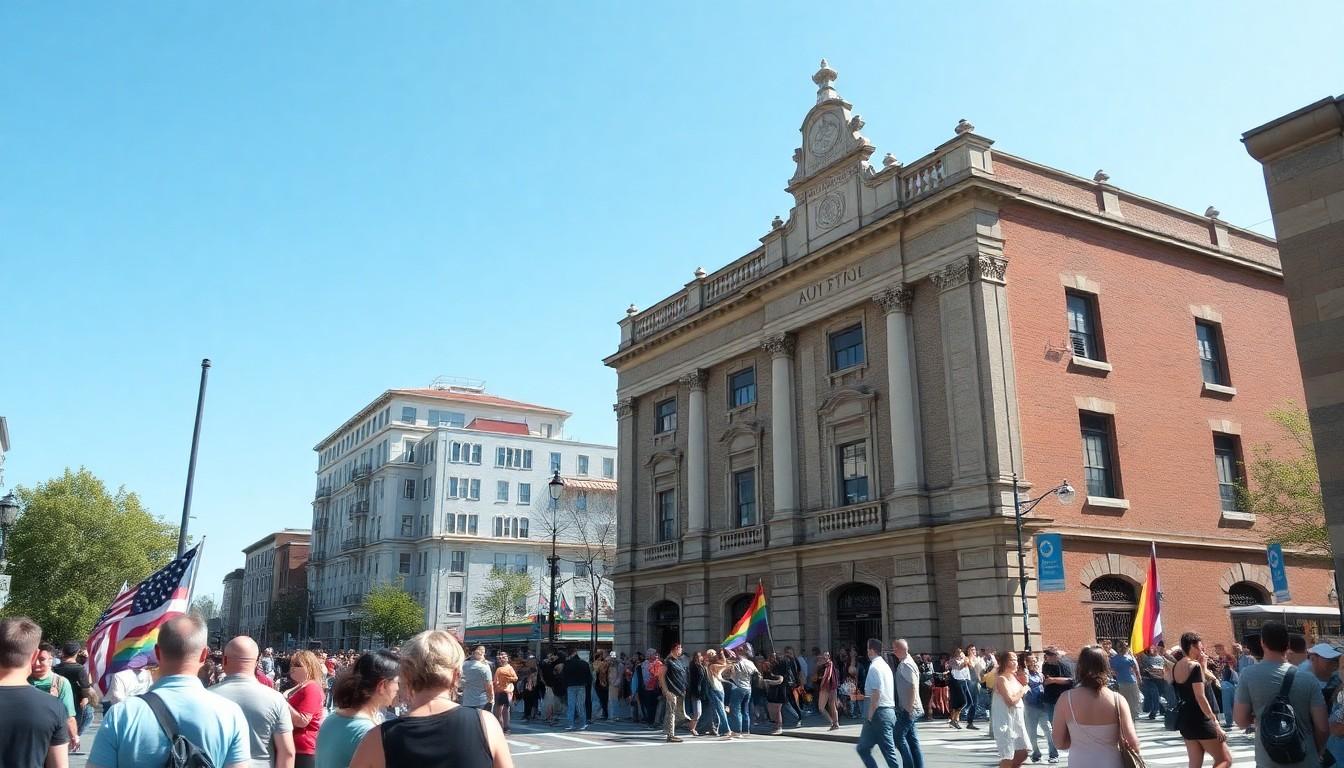
Watchers are hashing out kink at Pride again, as activists, parents and organisers argue who Pride should welcome, where public comfort matters, and why queer history keeps insisting on its messy presence. This matters because the answer shapes whether Pride is family-friendly, fiercely visible, or something in between.
Essential Takeaways
- Visibility vs comfort: A growing split frames Pride as either a broadly accessible public festival or an unapologetic space for full queer expression, including kink.
- Consent is central: Critics say public sexualised displays risk non-consensual exposure; proponents say policing aesthetics repeats historical pressures to conform.
- History matters: Pride’s origins in defiance and sex-positive protest inform defenders of kink as integral to queer visibility.
- Practical tensions: Cities balancing corporate sponsors, family zones and protesters face real logistics and liability questions.
- Cultural tug-of-war: The debate recurs yearly, reflecting wider questions about who gets to define queer respectability.
Opening the conversation: why the kink debate keeps returning
The discourse flared again after a viral skit blurred performance and politics, forcing people to pick sides about what Pride should look and feel like. Many describe an uneasy sensory mix: floats, music and suddenly very explicit costume choices in public. According to commentary across queer media, this isn’t new; it’s a rerun with sharper phones and faster sharing. Organisations and attendees now face the recurring question: should visibility include everything that’s been part of queer communities, or does public space require limits?
Consent and public space: a practical boundary
One common argument focuses on consent , the idea that attending a parade doesn’t equal consenting to be confronted with explicit sexual imagery. This position often stresses family zones and accessibility, arguing that Pride should be navigable for kids, elders and those who feel triggered by certain expressions. Event organisers, city councils and legal advisers routinely wrestle with these concerns, trying to thread a line between protecting the public and stifling protest. If you’re helping plan or attend a march, consider where to place explicit contingents and how to signal content clearly so attendees can make informed choices.
Kink as heritage: the historical counterpoint
Others point out that kink, leather and sex-positive protest were never peripheral to queer history , they were central. The movement that birthed Pride was loud, confrontational and often sexual in nature because it was about refusing shame. For many activists, sanitising Pride repeats a long history of asking queer people to make themselves palatable to mainstream tastes. That argument invites a broader reflection: is inclusion really inclusion if it asks people to tone down the parts of themselves that made the movement necessary?
Sponsors, safety and the modern parade economy
Pride’s contemporary shape is also financial. Corporate sponsorship brings resources but also expectations about branding and “family-friendly” images. Cities and organisers balance liability, policing, and public relations while trying not to erase marginalised voices. Media outlets and community forums regularly debate whether sponsorship softens Pride into a consumer parade, or merely funds events that would otherwise be impossible. The pragmatic takeaway: organisers should be transparent about who funds events and what rules govern performances, so communities can decide if the trade-offs are worth it.
Finding compromises: how communities can move forward
There are practical middle grounds: clearer signage around explicit areas, designated kink or adult zones, and robust volunteer training on consent and de-escalation. Dialogue matters too , not talk-down decisions made by a few, but community conversations that respect both safety concerns and historical context. Cities can pilot mixed models that respect families and those who want unfiltered expression, testing what works without erasing histories that some participants say can’t be untethered from Pride.
It's a small change, but the choices communities make now will shape what Pride means for years to come.
Source Reference Map
Story idea inspired by: [1]
Sources by paragraph: