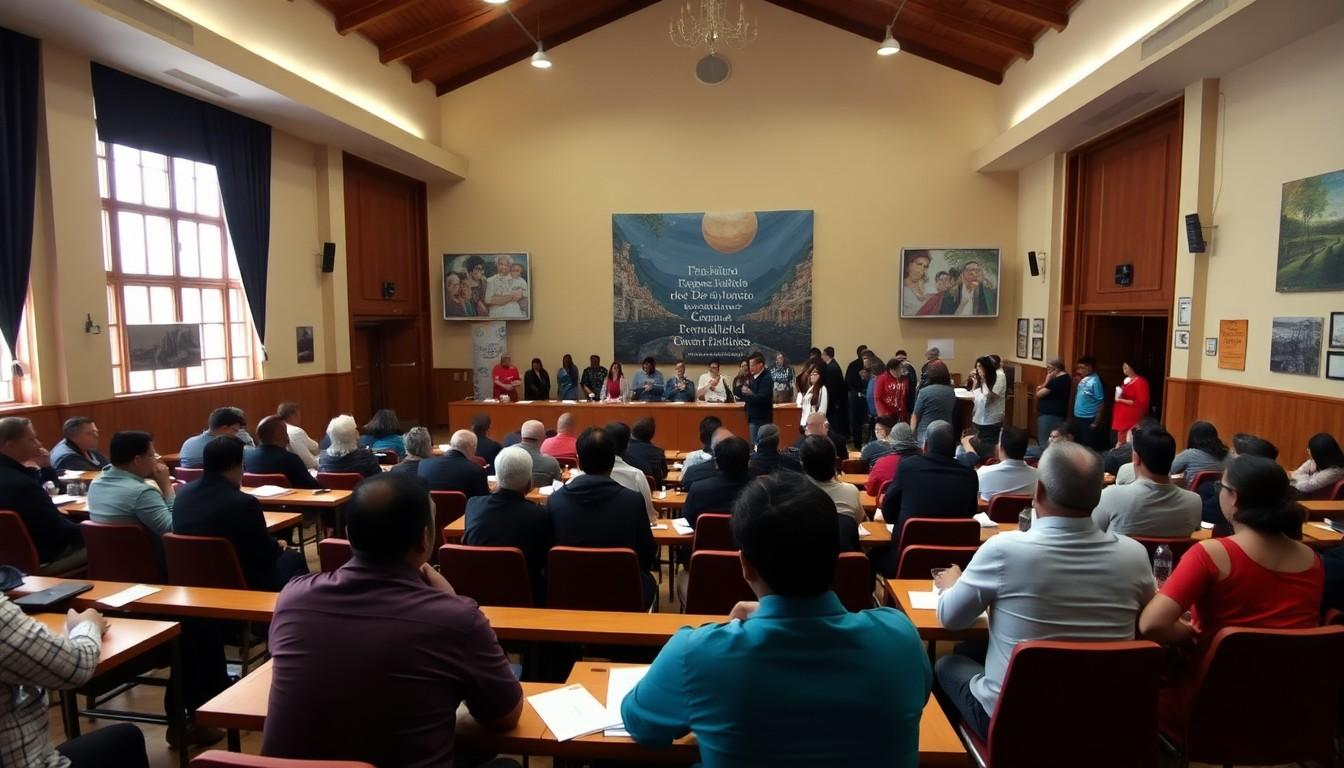
Shoppers are turning to civic participation: Chiapas’ state congress has launched public consultations with the LGBTIQ+ community to shape gender identity recognition and affirmative actions, a move local activists say could change how identity is registered and represented across the state.
Essential Takeaways
- Public forum launched: The Congress of Chiapas held information sessions at the Auditorio del Humanismo to begin consultations with LGBTIQ+ groups and civil society.
- Focus areas: Discussions centre on administrative recognition of self‑perceived gender and affirmative actions to improve political representation.
- Inclusive drafting: The reform effort targets changes to the State Civil Code to harmonise local law with national and international human-rights standards.
- Participation encouraged: Lawmakers and activists emphasise accessible, dignified procedures for changing birth records and preventing discrimination.
- Cross‑institutional backing: The initiative involves the state government, legislative commissions and human‑rights defenders for broader legitimacy.
What happened at the forum , and why it felt significant
The Auditorio del Humanismo filled with activists, advocates and legislators to hear how the Congress plans to consult the LGBTIQ+ community on identity and affirmative measures. There was a warm, purposeful atmosphere; conversations ranged from legal technicalities to personal stories about identity. According to the state legislature’s communications, the sessions are designed to gather proposals that will feed into reforming the Civil Code and other state rules. For many attendees, it was less a ceremonial meeting and more a practical step toward change.
Who’s driving the consultations and what they say
Deputy Luzma Castillo Moreno, chair of the commission for vulnerable groups, opened the forum and framed the work as a historic push for inclusion. Other deputies from justice and governance commissions joined the effort, signalling cross‑bench engagement. The Congress’ official website and local outlets reported backing from multiple commissions and a promise to keep the process participatory. Lawmakers described the consultations as essential to ensure no one is left out of political life or administrative recognition.
What reforms are on the table , from birth certificates to political representation
The core proposal under discussion is administrative recognition of self‑perceived gender, which would allow people to have official documents reflect their identity without burdensome procedures. The aim is to harmonise state law with national and international human‑rights standards, and to include affirmative actions that improve representation in political and civic spaces. Local reporting suggests the changes would prioritise dignity, autonomy and equality when amending birth records and other registries.
How activists and organisations are shaping the process
Grassroots groups, human‑rights defenders and NGOs were active participants in the sessions, offering testimony and technical proposals. This isn’t just consulting for optics; organisers want concrete inputs on procedure design and anti‑discrimination measures. According to coverage, the conferences are sequential and open, meaning community voices will repeatedly feed into drafting. That sustained involvement matters: it’s how paperwork becomes policy that actually works in people’s lives.
Practical implications , what people should expect next
If the reforms advance, people seeking to update identity documents should see simpler, more respectful processes that focus on personal autonomy. Officials have said the state must create accessible and effective mechanisms; that implies training for registry staff, clearer forms and fewer legal hurdles. For those worried about timelines, the consultations are the beginning , legislative drafting, debate and approval will take more months, but the open forums aim to speed consensus and reduce surprises.
It's a small change that can make every identity easier to live with and legally recognised.
Source Reference Map
Story idea inspired by: [1]
Sources by paragraph: