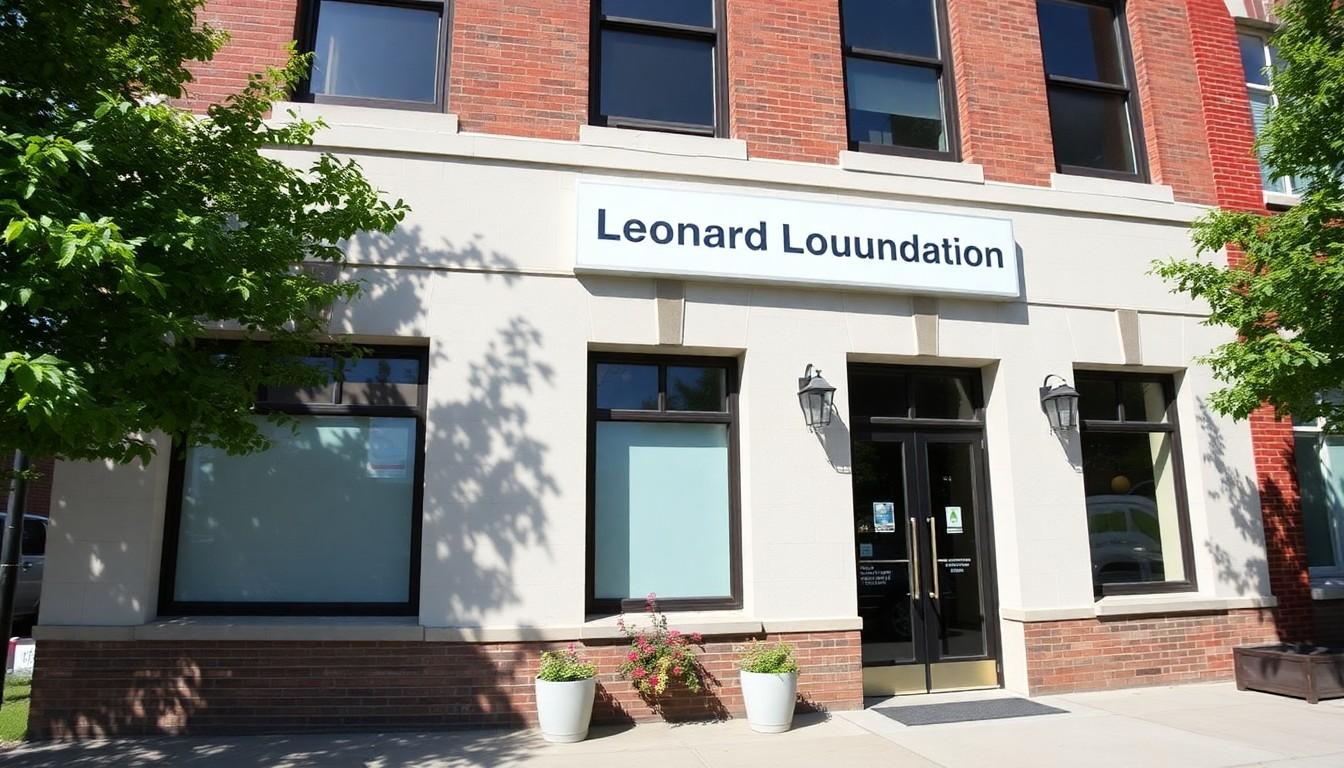
Remembering a local pillar, readers are reflecting on how communities can keep the work alive after a founder’s passing; Elliot Leonard’s devotion to visibility, funding and joy in Easton shows practical paths for continuing LGBTQ+ support and legacy-building that matter to neighbours and nonprofits alike.
Essential Takeaways
- Generous giving: The Leonard Litz LGBTQ+ Foundation had committed over $6 million by 2024 to nearly 150 organisations, showing the real impact of targeted philanthropy.
- Grassroots presence: Elliot and Roger helped bring Pride to Easton and even hosted small, joyful moments like an ice cream truck at flag-raising events.
- Youth focus: Many grantees support young and marginalised LGBTQ+ people, offering services, advocacy and safe spaces.
- Community leadership: Local groups and the Easton Democratic Town Committee praised Leonard’s steady civic involvement and warmth.
- Ways to honour legacy: Small community actions , grants, events, memorials, and volunteer programmes , can keep momentum and values alive.
Why Leonard’s mix of warmth and money mattered
Elliot Leonard’s work wasn’t only philanthropic in the dry sense; it felt personal and visible, leaving a warm, noisy imprint on Easton’s summer Pride events. Neighbours remember a man who could tell a story, make people laugh and also write cheques that changed organisations’ abilities to operate. According to the Leonard Litz co‑founder material, that mix of convivial presence and strategic funding is how a local leader turns sympathy into structural support. For other towns, it’s a useful template: combine public-facing celebrations with targeted grants to sustain everyday services.
Funding: how targeted grants change the game
By 2024 the Leonard Litz foundation had awarded millions to a wide slate of organisations, from established groups to newer grassroots projects. Foundations that target youth, trans equity and elder support often amplify gaps that larger donors miss. Nonprofit reporting sites and the foundation’s grantee lists show repeat funding is especially effective , it helps organisations plan, hire staff and expand services. If you’re thinking of honouring a donor, consider multi-year commitments or named funds that underwrite a specific programme rather than a one-off gift.
Small rituals that keep a founder’s spirit alive
It’s the little things people recall , an ice cream truck at a flag raising, a friendly presence in the crowd , that make legacies human and accessible. Community ceremonies, annual memorial flag raisings, scholarships in the founder’s name or a dedicated Pride float are low-cost ways to keep memory active and inclusive. The Leonard Litz site highlights the couple’s role in bringing Pride to Easton, which shows how rituals can double as public education and celebration. Communities can copy that idea by embedding remembrance into existing events rather than creating stand-alone monuments.
How nonprofits can pivot after a major donor’s death
When a lead donor passes away, organisations often face uncertainty. The smart response is practical: review current grants, clarify any ongoing commitments, and open a line to the donor’s foundation or family to discuss continuity plans. The Leonard Litz Foundation’s public calls for proposals and transparent grantee lists offer a model for predictable funding cycles. Nonprofits should also use the moment to diversify income , small donor drives, local partnerships and capacity-building grants reduce dependence on any single benefactor.
Involving young people and widening impact
One clear throughline in Leonard’s giving was a concern for young and marginalised LGBTQ+ people. Organisations that centre youth , from school‑based supports to peer groups , often provide the most visible, immediate benefits. If you’re planning a memorial initiative, think about mentorship programmes, summer camps, or micro‑grants for young organisers. These concrete investments not only honour a patron’s values but also seed the next generation of leaders, ensuring a legacy is lived rather than simply remembered.
It's a small change that can make every community celebration and support network stronger.
Source Reference Map
Story idea inspired by: [1]
Sources by paragraph: