Shoppers and viewers are still clicking play , a year after a fourth‑grade teacher’s candid reply to students went viral. Asiah Holm’s classroom talk about being a lesbian, now paired with a Pride Month single, reopened debates about honesty, visibility and what belongs in a classroom. Here’s why it resonated , and what teachers, parents and schools might take from it.
Essential Takeaways
- Simple honesty: Holm answered age‑appropriate questions from curious fourth‑graders, creating an immediate atmosphere of curiosity rather than judgement.
- Mixed online reaction: Clips went viral and drew both praise and criticism, prompting administrators to ask her to remove the videos.
- Art as reclamation: Holm channelled the fallout into a song, "Love is Love," and reposted the footage during Pride Month to reclaim her narrative.
- Teaching moment: Many teachers told her the exchange mirrored conversations in their classrooms , short, human and often educational.
- Practical impact: The episode highlights a double standard around mentioning straight versus queer relationships in school settings.
What happened in the classroom , and why it felt ordinary
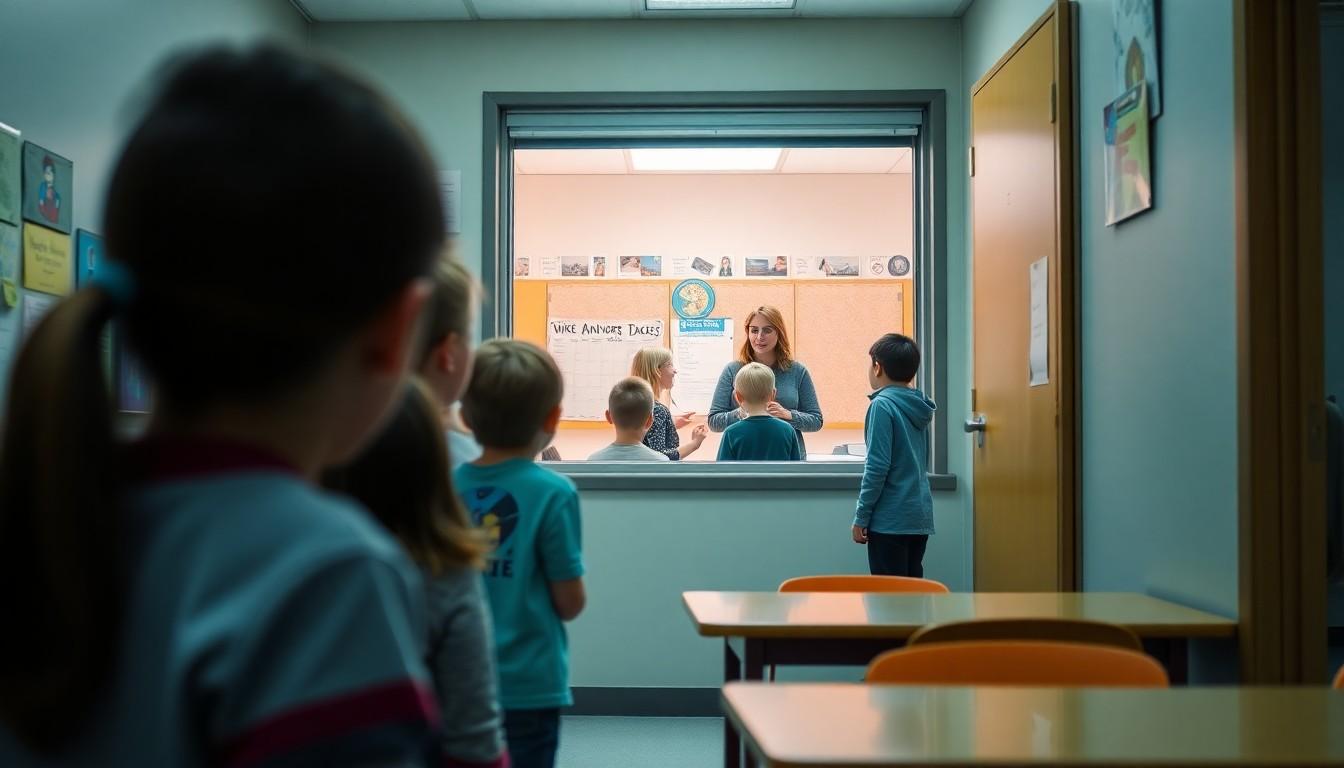
The clip that travelled across social media shows a teacher answering kids’ questions with a warm, conversational tone. There’s a tactile, human detail to it , the soft, puzzled faces around a classroom table , that makes the moment feel familiar rather than staged. According to coverage of the incident, Holm’s decision to reply honestly came after months of students asking whether she had a partner. For many educators, sharing small parts of your life is a way to build trust, and Holm framed her answer as exactly that: a chance to model openness.
How a classroom moment became an online controversy
Once snippets left the school walls, reactions split. Supporters praised the dialogue as age‑appropriate and instructive; critics said personal disclosures about sexuality didn't belong in school. Administrators asked Holm to take the videos down, which she complied with at the time. The tension here reflects a wider pattern: straight teachers mentioning a husband or weekend plans rarely draw attention, while queer teachers can find the same candour politicised. That double standard is why the story mattered beyond one viral clip.
Turning pain into art , the new single and the repost
Holm channelled the emotional fallout into music, releasing a Pride Month single called "Love is Love" and reposting the original videos. For her, it wasn’t a stunt but a reclamation: putting the narrative back in her own voice and showing the impact of the classroom conversation. The song and repost have invited fresh responses, many supportive, and opened further dialogue among educators about when and how to discuss personal identity with pupils.
What this means for teachers and schools now
Schools are navigating a tricky balance between creating inclusive spaces and responding to community concerns. This episode underlines a few practical points: be deliberate about what you share, keep it age‑appropriate, and consult school policy before posting classroom footage. Teachers who want to normalise diverse families can do so through literature, representation in lesson materials, and classroom routines that don’t single out identities. Parents and leaders might use incidents like this to revisit guidelines on social media, consent and community communication.
The wider cultural ripple , visibility, stereotypes and learning
One striking classroom detail reported was how quickly students moved from surprise to curiosity; questions replaced judgment. But Holm also noted some kids held specific stereotypes about what a lesbian “should” look like, which shows how early ideas form. Incidents like this can be small, deliberate teachable moments: they expose assumptions, make space for questions, and help children learn to see people as people. Visibility, when handled thoughtfully, can be an antidote to stereotype.
It's a small change that can make every conversation safer and more honest.
Source Reference Map
Story idea inspired by: [1]
Sources by paragraph: